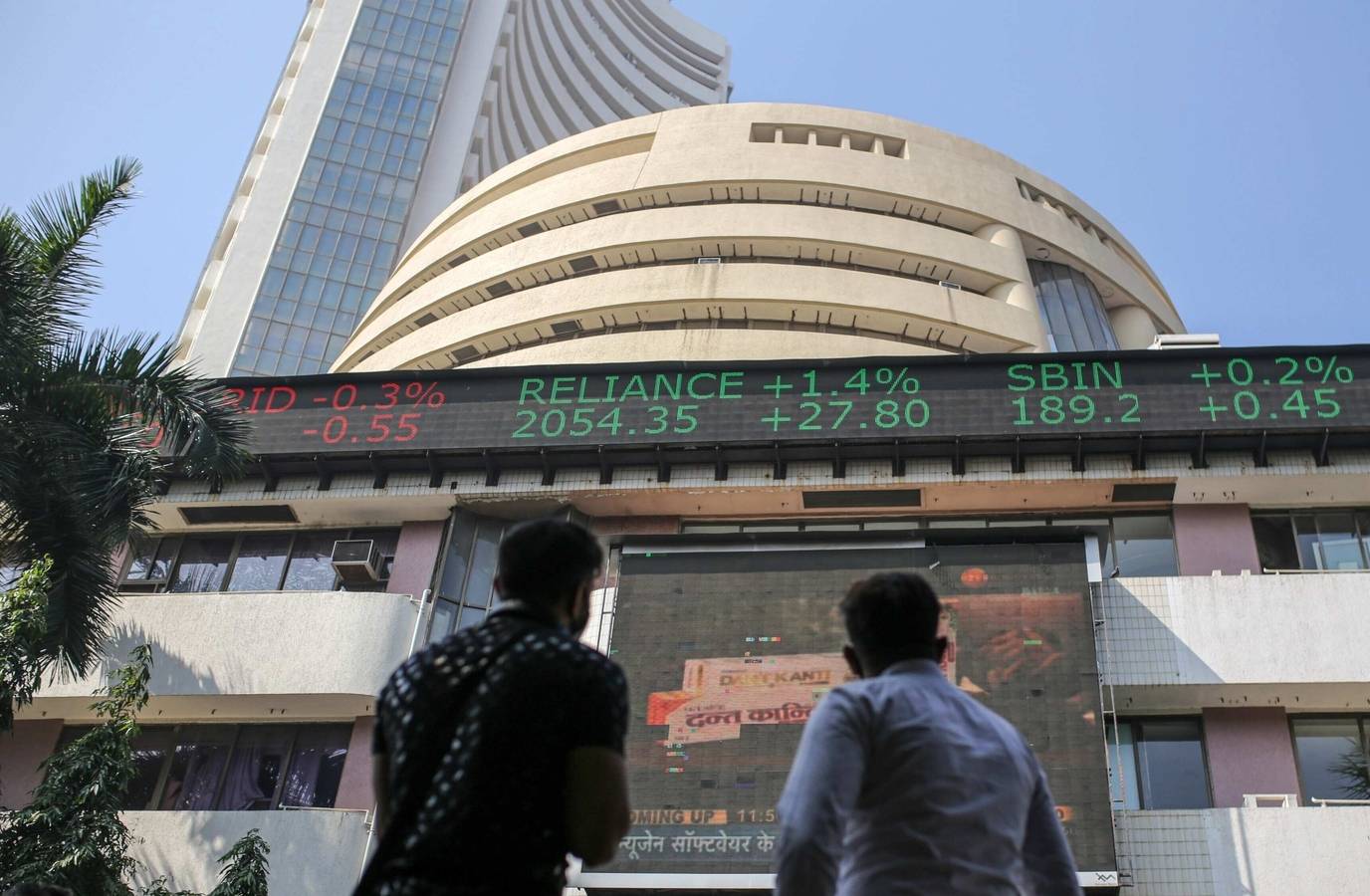
Finance experts often rely on the efficient-market hypothesis, which suggests that investors incorporate new information into asset prices. However, this idea is being challenged by recent market trends and research. Retail traders are driving up prices of meme stocks, while institutional investors are piling in despite warning signs. Financial economists have known for decades that markets are volatile and not driven solely by new information. The inelastic-markets hypothesis, proposed by Xavier Gabaix and Ralph Koijen, suggests that share prices are influenced by capital flows rather than fundamentals. This theory is supported by research and is increasingly accepted by both researchers and investors. The inelastic-markets hypothesis explains why markets can be driven by human behavior, such as return-chasers, fixed allocators, and value investors, rather than by forecasts of future earnings.
Markets Don't Predict the Future, They're Driven by Human Behavior
Share prices are buffeted by far more than just new information | Business News