
Oil prices surge 3%: Why Brent is nearing $100 as Middle East war risks grow | Business News
Oil prices surge as Brent nears $100 after Saudi energy attacks and Iran-US threats raise fears of supply disruptions through the Strait of Hormuz. | Business News
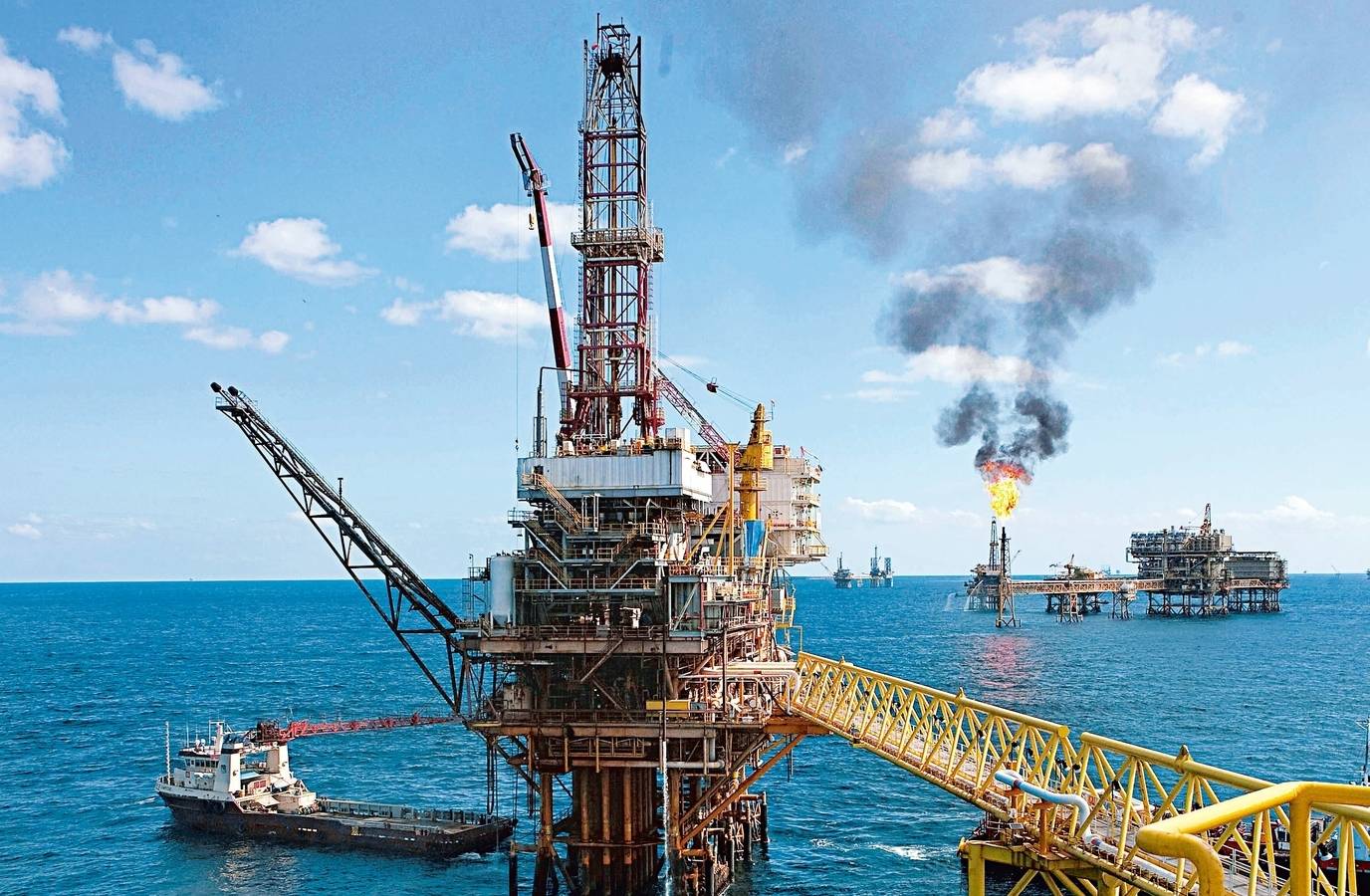
Oil prices climbed to multi-week highs on Tuesday as fears of a wider Middle East conflict grew. Brent crude rose to around $99 a barrel, while US West Texas Intermediate (WTI) gained more than 3%, as fresh attacks and threats between Iran and the US raised concerns about oil supplies.Brent crude futures were up $2, or 2.06%, at $99 a barrel by 0800 GMT. WTI was at $94.41 a barrel, up $2.93, or 3.2%. Brent briefly climbed to $99.22 a barrel, its highest level since July 24. WTI also reached $94.60, its highest price since June 8.The rise came after Iran-backed Houthis attacked energy facilities in Saudi Arabia, while Iran threatened the US with what it called “economic warfare.” The fresh developments increased fears that the war could disrupt more oil supplies from the region, according to Reuters.Why oil prices are risingThe Strait of Hormuz is at the centre of the oil market worries. Tanker traffic through the key waterway has fallen well below normal levels because of the conflict and growing security risks. Tim Waterer, chief market analyst at KCM Trade, told Reuters. Waterer said oil prices are being pushed higher by two main factors: real supply tightness and a geopolitical risk premium. He said the geopolitical risk is currently having the bigger impact on prices.The Strait of Hormuz is one of the world's most important oil routes. Before the conflict began in late February, around one-fifth of the world's daily oil and liquefied natural gas supplies passed through the waterway.Also read: Could oil hit $120? Goldman warns as US-Iran attacks threaten Hormuz shippingShipping through the Strait slowed again at the start of this week after Iran warned that it would retaliate against any new US attacks. This has added to concerns that oil tankers could face further delays or restrictions.Iran also said it would create a new shipping corridor in the Strait of Hormuz. The move suggests that tanker traffic through the waterway could become even more difficult as the conflict continues, according to Oilprice.com.Analysts do not expect oil shipping through the Strait to quickly return to normal. Daniel Hynes, an analyst at ANZ, said a full return to pre-war shipping levels may not happen until late Q1 or early Q2 of 2027.Saudi Arabia attack adds to supply fearsSaudi Arabia was hit by another attack linked to the Iran-backed Houthis. Some operations at Saudi energy facilities were halted after the attacks, which Saudi authorities described as a dangerous escalation.The attacks wounded 73 people, according to Saudi authorities. The latest violence has raised fresh concerns about the safety of energy infrastructure in the world's top oil-exporting country, according to Reuters.Saudi Arabia's Jizan refinery was also targeted. The refinery has a crude processing capacity of around 400,000 barrels per day and has been targeted by Yemen's Houthi forces before, according to Oilprice.com.Iran-US tensions raise oil riskIran has also issued new threats against the US Tehran said it had fired an advanced missile at US warships and warned Washington about the consequences of further attacks. Iran's Supreme National Security Council secretary Mohsen Rezaei said the country could respond with a maritime exclusion zone across the Persian Gulf if the US continued what Tehran considers economic warfare, according to Reuters.The latest threats came after new exchanges of missile strikes involving ships in the Persian Gulf. The attacks have strengthened fears that the conflict could continue for a long time instead of ending soon, according to Oilprice.com.Also read: Could the stock market crash? This warning has appeared just 6 times in 155 yearsThe US has also carried out strikes on Iranian oil tankers. On Saturday, US forces struck three Iranian oil tankers, including one near Kharg Island, Iran's main oil export hub. US Central Command said this, according to Reuters. The US strikes followed attacks by Iran's Revolutionary Guards on US warships operating in the region, further increasing the risk of another round of military action.Oil could stay expensive into 2027The market is now starting to price in a longer conflict. Analysts are warning that oil supply disruptions could continue into 2027 if the Strait of Hormuz remains difficult for tankers to navigate.Goldman Sachs raised its oil price forecasts because of the expected shipping disruptions. The bank increased its December 2026 forecast by $5, putting Brent at $85 a barrel and WTI at $80. Goldman Sachs also raised its 2027 forecasts to $80 for Brent and $75 for WTI, based on the assumption that Middle East shipping problems will continue into next year, according to Reuters.Oil could remain elevated for the rest of 2026 if the Strait of Hormuz stays under pressure. Waterer said prices are likely to remain high while the waterway remains contested and diplomatic progress stays fragile. Speculators are also becoming more bullish on oil. ING analysts said investors have increased their net long positions in Brent crude as hopes for a quick peace deal have weakened, as per the report by Oilprice.com, citing ING analysts.