Oil, US yield surge, insurance shake-up spur Nifty, Sensex market sell-off | Business News
Financial services bore the brunt of the sell-off in India, a day after the Insurance Regulatory and Development Authority of India's fresh moves. | Business News
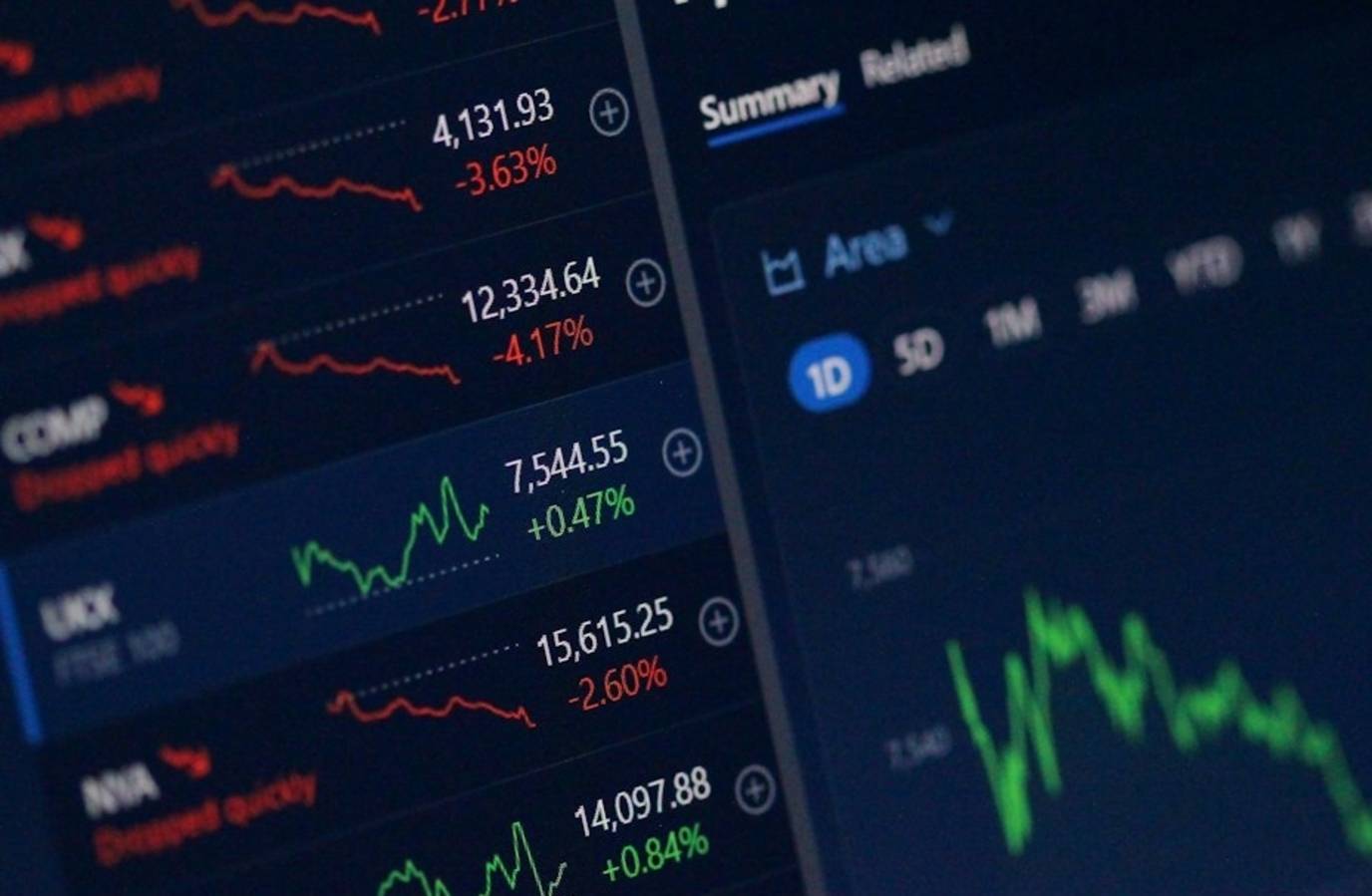
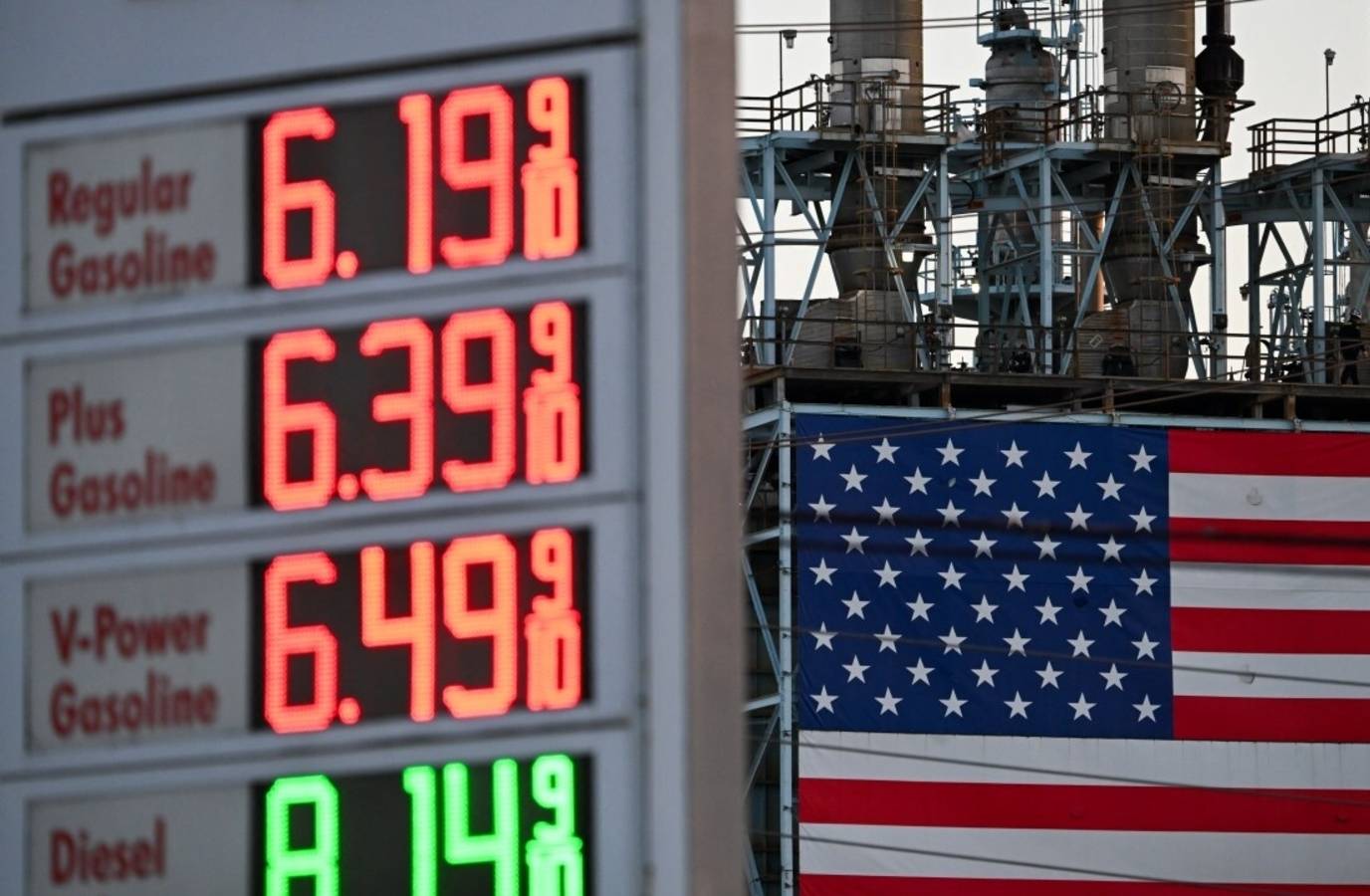
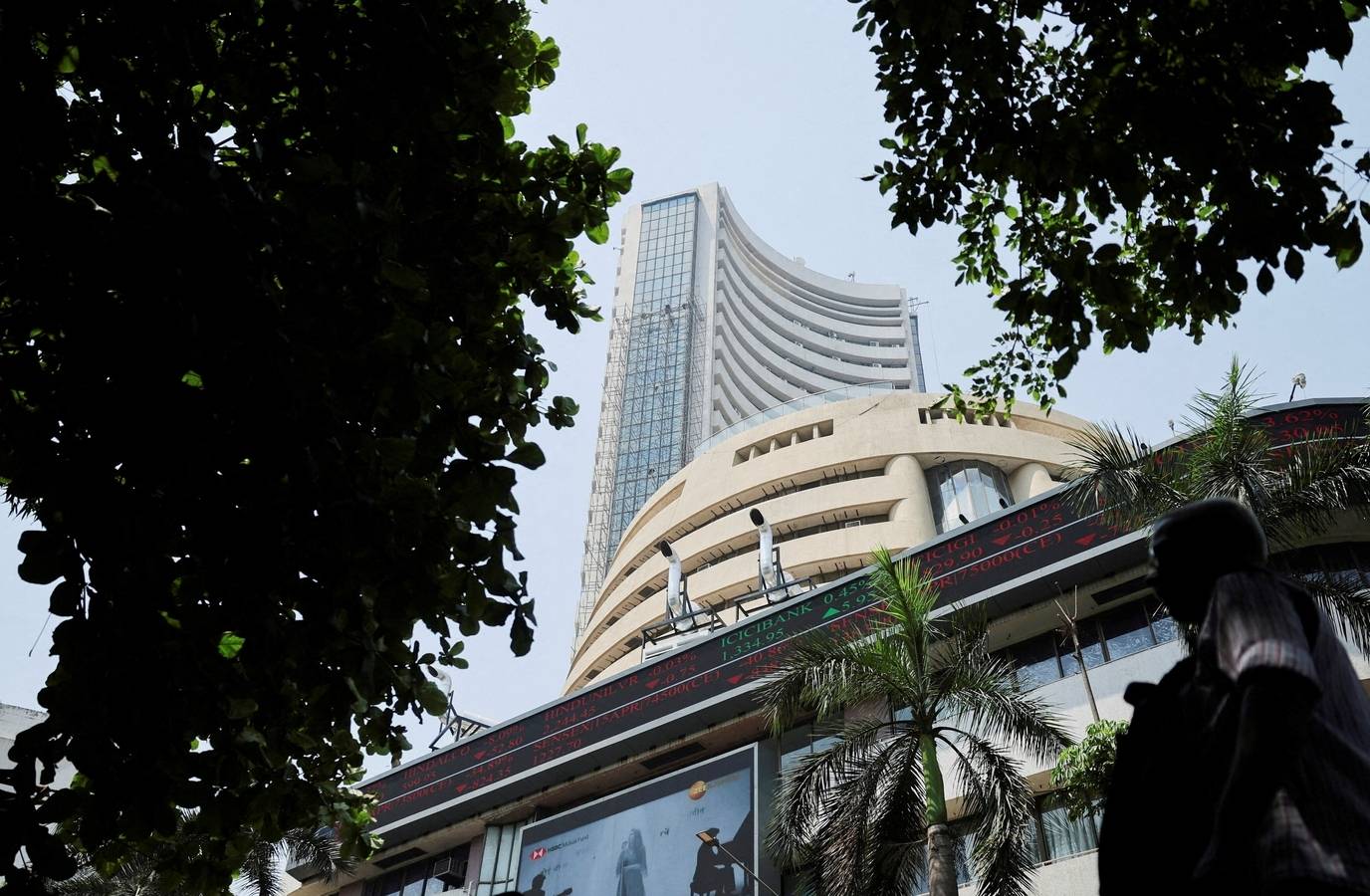
A surging oil market, historic highs in US yields, and a regulatory shake-up in domestic insurance combined to trigger a broad sell-off in equities on Thursday, with India faring among the worst in Asia.Brent crude oil crossed $106 a barrel and US treasury yields rose to their highest in nearly 20 years, while a proposed insurance overhaul cast a cloud over the distribution incomes of Indian banks. Financial services account for 36.47% of the Nifty’s weight, making the sector a key driver of the benchmark.The Nifty and Sensex fell 1.6% and 1.7% respectively, hitting their lowest levels since 6 April and 8 June. The India Vix jumped nearly 23% as volatility shot up. In other markets, the Shanghai Composite fell 1.2%, while the CAC 40, DAX, Nasdaq and S&P 500 declined 0.4%, 0.2%, 1.1% and 0.8%.Also Read I Sensex, Nifty see worst day in weeks: Why was market down today?Financial services take the heatFinancial services bore the brunt of the sell-off in India, a day after the Insurance Regulatory and Development Authority of India (Irdai) moved to lower customer acquisition costs, revamp distributor commissions, enforce expense limits and streamline intermediary categories. While aimed at curbing mis-selling and lowering policyholder costs, industry executives warned such caps could disrupt distribution networks, squeeze lower-ticket products and taper consumer choice.The sector reeled: the Nifty Financial Services ex-Bank index slumped 4.3%, followed by the Nifty Mid-small Financial Services index, which fell 4.4%. Nifty Private Bank fell 2.2%, while Nifty Bank shed 2%. PB Fintech Ltd and Turtlemint Fintech Solutions, which operate in the insurance distribution space tanked 36% and 20%, respectively. “The insurance distribution business is an important revenue stream for banks and NBFCs and the Irdai’s consultation paper, if implemented, surely will impact the projections for most of them in the near term,” said Aniruddha Sarkar, co-founder and chief investment officer of Equinova Investment Managers, a boutique PMS and AIF investment firm managing over $100 million in assets.He said FPI buying depends on earnings recovery in large-cap stocks. Since foreign institutional investors primarily hold large-cap stocks, pressure on banks from the latest insurance-related developments “could keep foreign investors cautious, making large FII inflows before January unlikely,” he said.Oil prices, Interest rates, US midtermsOil prices, which had stabilized over a brief ceasefire between Iran and the US, rose as attacks resumed and the Houthis in Yemen blocked vital supply routes.“Rising oil prices because of uncertainty around Middle East crisis, US midterm polls outcome uncertainty and the likelihood of interest rates staying higher, could keep sentiment weak for domestic investors and FPIs,” Sarkar said.The US 10-year Treasury yield rose to 5.1%, its highest level since July 2007, after stronger-than expected US manufacturing data revived concerns that persistent inflation will keep interest rates higher for longer.Midcaps took a harder knock than the broader market, with the Nifty Midcap 100 down 2.3%. Nifty Smallcap fell 1.4%, against Nifty’s 1.6% fall.According to Shrikant Chouhan, head of equity research at Kotak Securities, “the combination of rising global bond yields, elevated crude prices, geopolitical tensions, and sector-specific concerns has further weakened sentiment.”Also Read I German business sentiment climbs to highest level in three yearsChouhan, who does not believe this sell-off could lead to a bigger derating of Indian equities, sees the rupee weakening towards 96 a dollar as a concern. He, however, said timely government measures and the initiation of FCNR deposits have helped contain further depreciation, providing some stability.Reforms of last year, particularly GST rate rationalization and income-tax benefits for the middle class, have supported domestic consumption and corporate earnings in Q4 FY26 and Q1 FY27. Given the earnings trajectory and valuations, these factors may help limit the downside, Chouhan said. “In fact, from a medium- to long-term perspective, we believe investors should continue to look for opportunities to invest in the market, particularly during periods of meaningful corrections.”