Pharma industry stares down biggest patent cliff in decades | Business News
More than $500 billion in projected annual drug sales face patent expirations in the coming years. | Business News
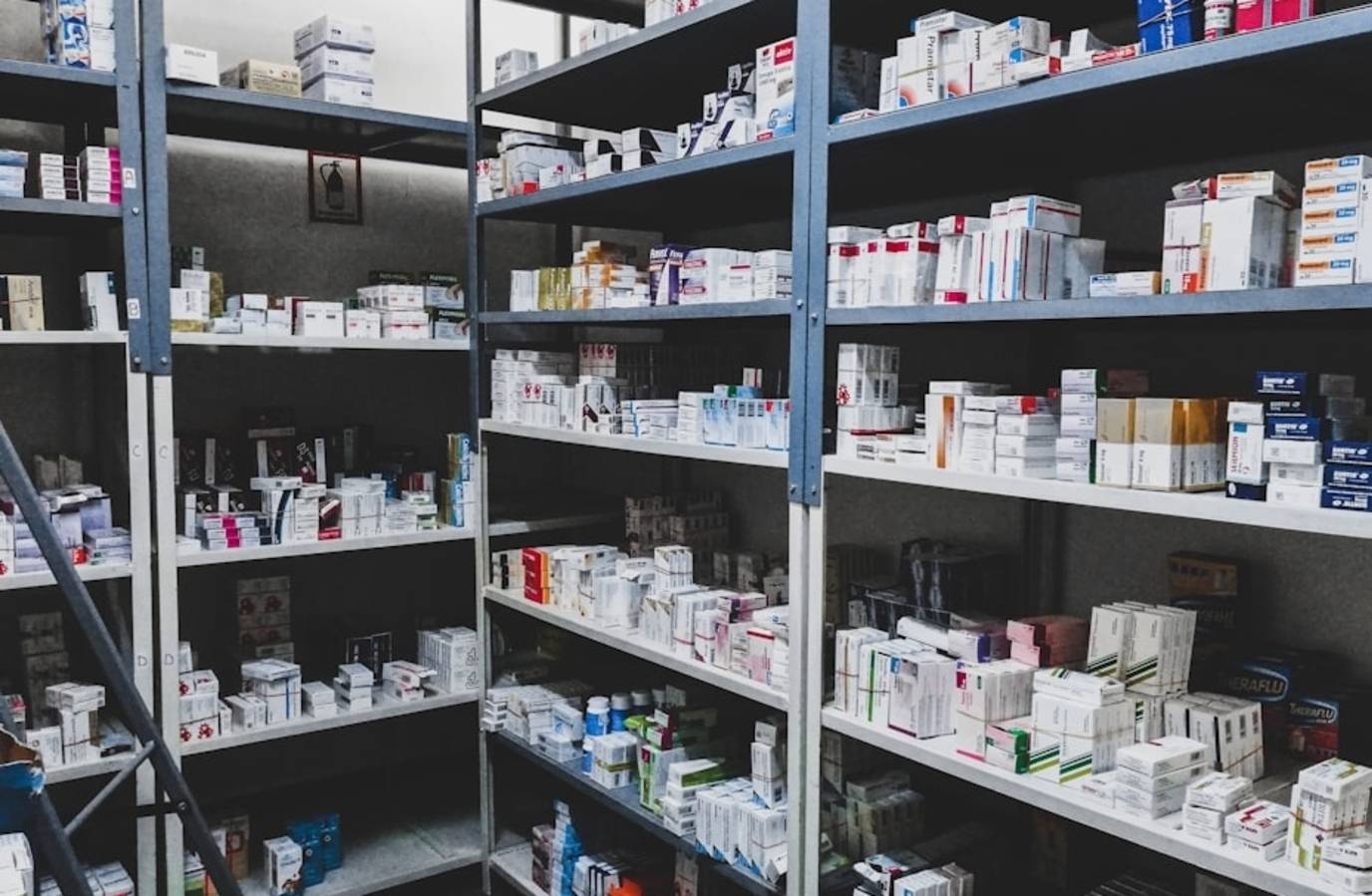
Most companies sell a hit product for as long as customers want it. For drugmakers, a clock starts before a drug is even approved: Patents run out, lower-priced copycats flood in and sales collapse. Billions of dollars of annual sales can evaporate, sometimes within a year.The pharma industry is entering its biggest wave of patent expirations in decades. The world’s bestselling drug in 2025, Merck’s cancer immunotherapy Keytruda, loses U.S. patent protection in 2028, and nearly every pharma company has at least one blockbuster drug that will go off patent in the next five years.It explains why stocks went wild when Moderna and Merck announced their experimental cancer vaccine had succeeded in a major trial. The vaccine could give Merck a new revenue stream to offset the Keytruda cliff. Biotechs like Revolution Medicines, which had its pancreatic cancer drug approved this week, have attracted takeover interest this year as companies look for partnerships and takeover targets.The scale of the cliff “is what has driven, and will continue to drive, companies to seek out new growth opportunities,” said Greg Graves, a senior partner in the life sciences division of McKinsey.In all, more than $500 billion of projected global sales are at risk of losing patent protection by 2033, according to biopharma market-research company Norstella. The patent cliff has driven a wave of acquisitions as drugmakers race to replace expiring revenue before it vanishes. Dealmaking is at its highest level in seven years. The blockbuster Ozempic, which put the idea of GLP-1 weight-loss drugs on the map, is one of the bigger upcoming patent losses. Its maker, Novo Nordisk, faces the most exposure of any major drugmaker: 77% of what made up its 2025 sales is set to lose patent protection by the end of 2033. Most of that is because of the early 2030s patent expiration of Ozempic, which generated nearly $20 billion in sales last year.“Patent expiry is a natural part of a pharmaceutical product life cycle,” a Novo Nordisk spokesman said, adding that the company is “well equipped to navigate the evolving landscape that accompanies loss of exclusivity.”Cancer immunotherapies like Keytruda and rival drug Opdivo are some of the other major blockbusters set to lose patent protection this decade. That means Merck, the maker of Keytruda, and Bristol Myers Squibb, who produces Opdivo, each have more than 65% of last year’s sales exposed because of these patent expirations along with others.Keytruda, which is used to treat more than 20 different types of cancer and generated nearly $32 billion last year, is the bestselling product set to expire before the end of this decade. Some blockbuster patent expirations affect multiple companies.For New Jersey-based Bristol Myers, one of its biggest drugs, blood-thinner Eliquis, is also losing exclusivity. That drug brought in more than $14 billion last year—30% of the company’s total revenue—though much of that was split with Pfizer.Bristol Myers and Pfizer co-market Eliquis and share profits equally throughout much of the world, so both companies face a hit. For Pfizer, Eliquis made up 13% of total pharmaceutical sales last year.The speed at which rivals move in to capture sales varies by the type of drug and how expensive it is to produce.Patents expire at different times depending on the country, too, meaning that competition could enter in Europe or Canada at a different time than in the U.S. That has already happened with Ozempic in Canada. The risk for drugmakers is that Americans start buying the drugs for lower prices through online Canadian pharmacies, which is technically not legal but rarely policed. Companies have a playbook for fighting their revenue cliffs—and holding on to sales for drugs losing patent protection for as long as they can.Take the case of Bristol Myers’ blood cancer therapy Revlimid. Its main patent expired in 2019, but the company settled lawsuits with generic makers years earlier. The deals pushed back generic entry to 2022 and restricted how much of the market they could take at first.Many generic drugmakers agreed to hold off launching in the U.S. until 2022, then sell only up to limited quantities, starting at a low single-digit percentage of the market and rising to 30% by 2025. Bristol Myers’ sales peaked at $12.8 billion in 2021, and unrestricted competition didn’t arrive until January 2026, seven years after the underlying patent expired.The process unfolded differently outside the U.S. Generics launched outside of the U.S. in 2022 with no volume limits. International sales of brand-name Revlimid fell more than 60% the first year after generics went on sale.AbbVie protected its blockbuster drug Humira by filing more than 100 patents in the U.S. Rival copies, known as biosimilars, didn’t go on sale until 2023, five years after they launched in Europe. In search of new sources of sales, pharmaceutical companies opened their wallets.Companies spent $114 billion on dealmaking last quarter—the most since 2019 and the fourth-most of any quarter since 2010, according to financial-data provider LSEG. Merck, AbbVie and GSK have each announced deals valued at more than $5 billion since the start of this year.Deals and partnerships like these can move the needle for big drugmakers. It became clear that Merck’s 2016 cancer vaccine partnership with Moderna paid off when the companies announced last week that the treatment had prevented the spread of melanoma. Merck added more than $40 billion to its market cap in one day.The patent cliff is bringing private investors into biotech and pharma as well. Companies raised nearly $15 billion in the June quarter—the most since 2021. The promise of more deals is driving shares higher. The S&P Biotechnology Select Index is up more than 30% year to date.Not all companies are facing the same cliff. With its relatively newer GLP-1 drug, Eli Lilly stands apart from most of the big drugmakers. The drugmaker isn’t staring down large near-term patent losses.Patents protecting Mounjaro and Zepbound, the company’s popular obesity and diabetes drugs, won’t expire until the latter half of the next decade.Write to Xavier Martinez at [email protected]