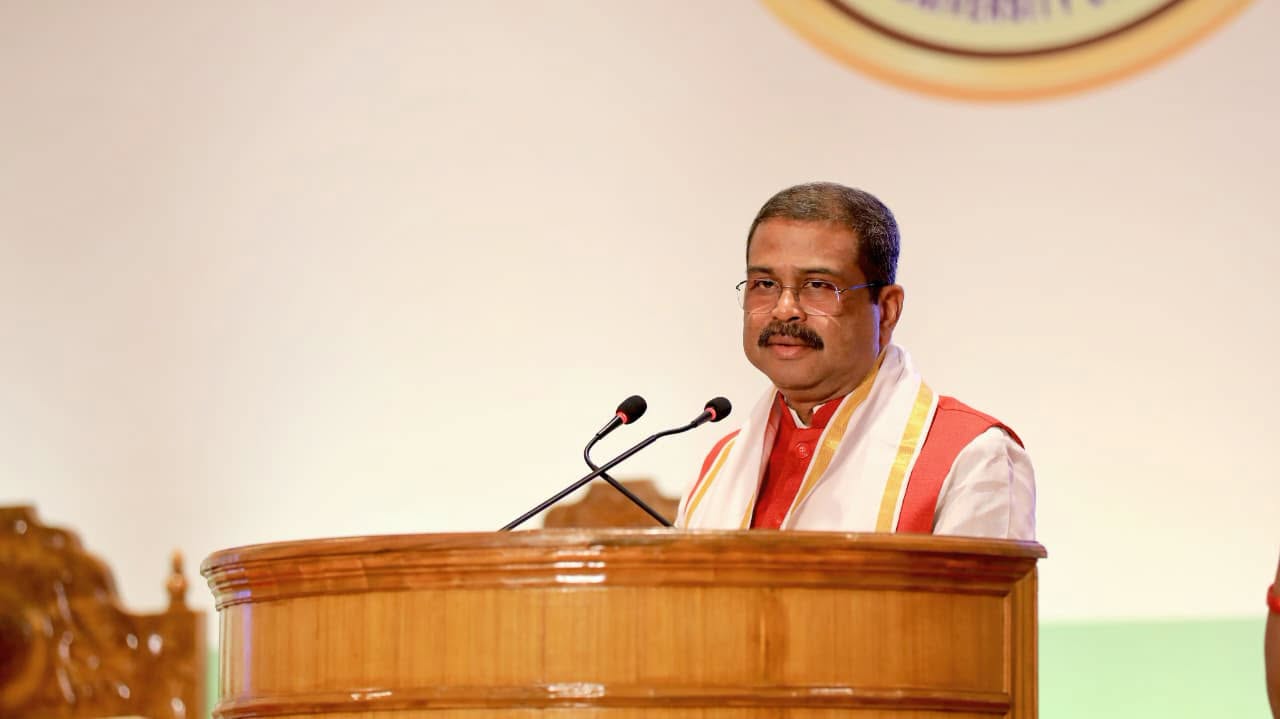
In a shocking move, Union Education Minister Dharmendra Pradhan has tendered his resignation to Prime Minister Narendra Modi, effective immediately. This decision comes amidst widespread student protests over the irregularities in the NEET-UG Examination 2026. The resignation has sent shockwaves throughout the education sector, leaving many wondering about the implications of this move.
The NEET-UG Examination 2026 has been marred by controversy, with allegations of irregularities and malpractices surfacing. In response, the Government handed over the investigation to the Central Bureau of Investigation (CBI) and cancelled the examination. A fresh date has been announced for the re-examination, which is expected to be conducted in a more transparent and fair manner.
Mr. Pradhan, in his social media post, expressed his pain and concern over the prevailing situation. He stated that it was not a matter of prestige for him and that he decided to tender his resignation to prevent anti-national forces from exploiting the situation. He also expressed his gratitude to the Prime Minister for his guidance, trust, and constant support.
The resignation of Mr. Pradhan is likely to have a significant impact on the education system in India. As the Education Minister, he played a crucial role in shaping the country's education policy and implementing various initiatives to improve the quality of education. His departure may create a power vacuum, which could potentially delay or disrupt ongoing projects and initiatives.
Furthermore, the education sector is already reeling under the pressure of increasing student protests and demands for reforms. The resignation of Mr. Pradhan may embolden student activists, leading to further disruptions and protests in the coming days.
The Government has announced that the NEET-UG Examination 2026 will be conducted in Computer-Based Test (CBT) mode from next year. This decision is expected to bring much-needed transparency and efficiency to the examination process.