Guillermo del Toro's Frankenstein is a reimagining of Mary Shelley's 1818 Gothic horror, with a radical alteration of some central concerns and a subtle reshaping of others. The monster, played by Jacob Elordi, is grounded in vulnerability and childlike simplicity, displaying a more restrained and self-defensive nature compared to Shelley's monster.
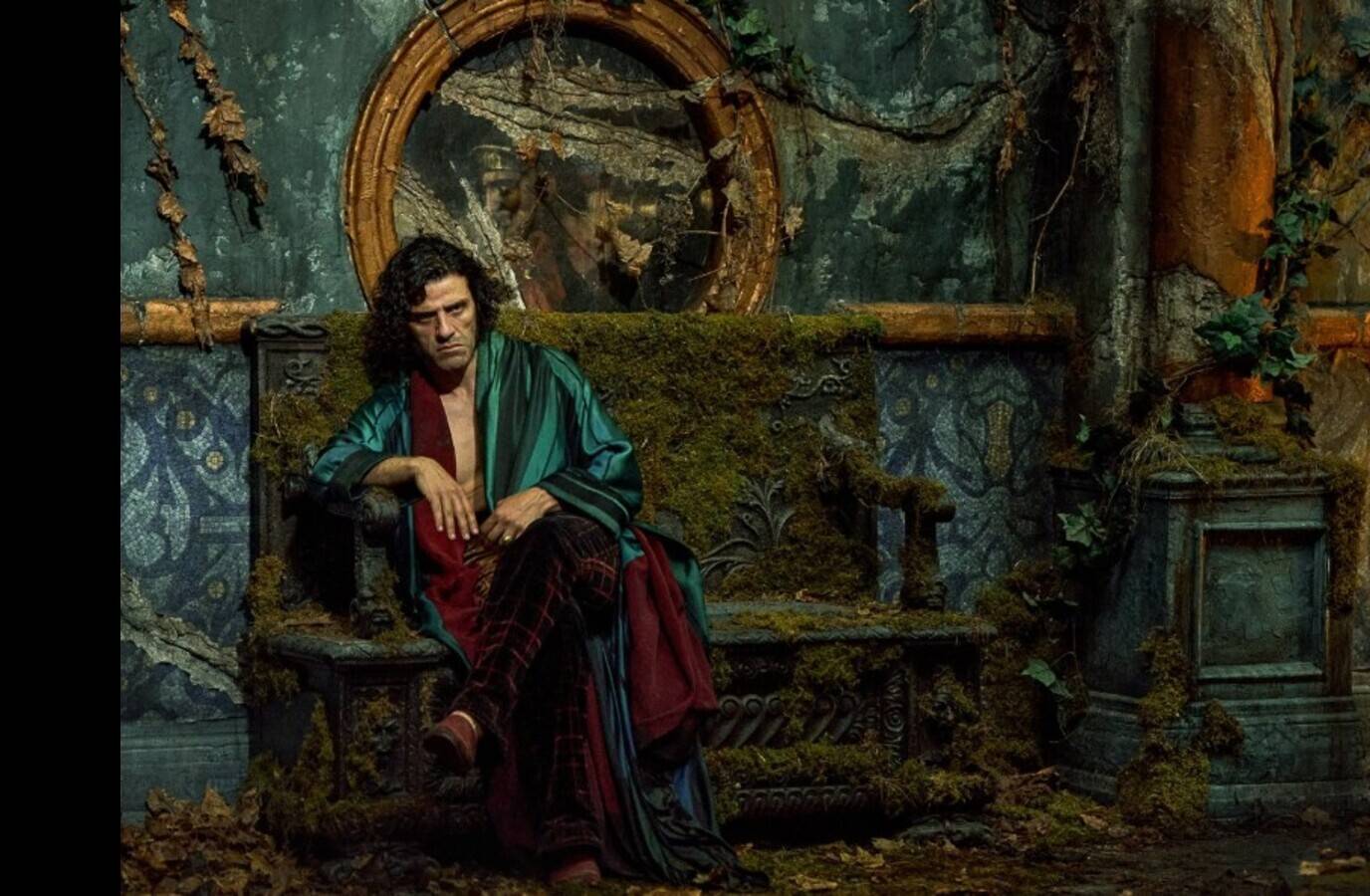
The film's temporal setting is also changed from the 1790s to 1850s Victorian England, allowing del Toro to examine how societal decay corrodes its inhabitants. Victor, played by Oscar Isaac, is no longer the man who frequents graves to source body parts for the monster, but instead relies on public executions to scout out specimens.
Del Toro's Victor is a more sinister character, with a deep moral rot in society, and his actions are propelled by an unresolved inner child desperate for the validation of his deceased father. The relationship between Victor and William is a mirror-image of the relationship between Victor and his father, with the elder brother assuming the role of a surrogate parent.
The film also features Mia Goth as Victor's mother and his love interest, a not-so-subtle acknowledgement of the Oedipal relationship between Victor and his mother. Elizabeth, played by Mia Goth, is a strong-willed woman who defies Victorian sensibilities and holds up a mirror to Victor's vices.
Del Toro's resolution of the conflict is thematically dissonant with the events leading up to the moment, making the final ten minutes of the film jarring. The film's aesthetic experience blends beauty with intense terror, awe, and vastness, with many sublime visuals leaving the viewer in awe.