
The term 'India's biggest box office hit' could mean so many things. It could be the one that earned the most money or the one that sold the most tickets. A layman would think these two are the same thing, but inflation factors in here. The rising cost of tickets means that a big hit selling 1 crore tickets today earns roughly ₹200 crore. Half a century ago, that would have been just ₹3-4 crore. Perhaps the easiest way to judge a film's success is to adjust its box-office gross for inflation, creating parity across eras and markets. This brings blockbusters of yesteryear into competition with pan-India successes from the 21st century, and one epic takes the crown, with a jaw-dropping inflation-adjusted earnings of almost ₹4000 crore.
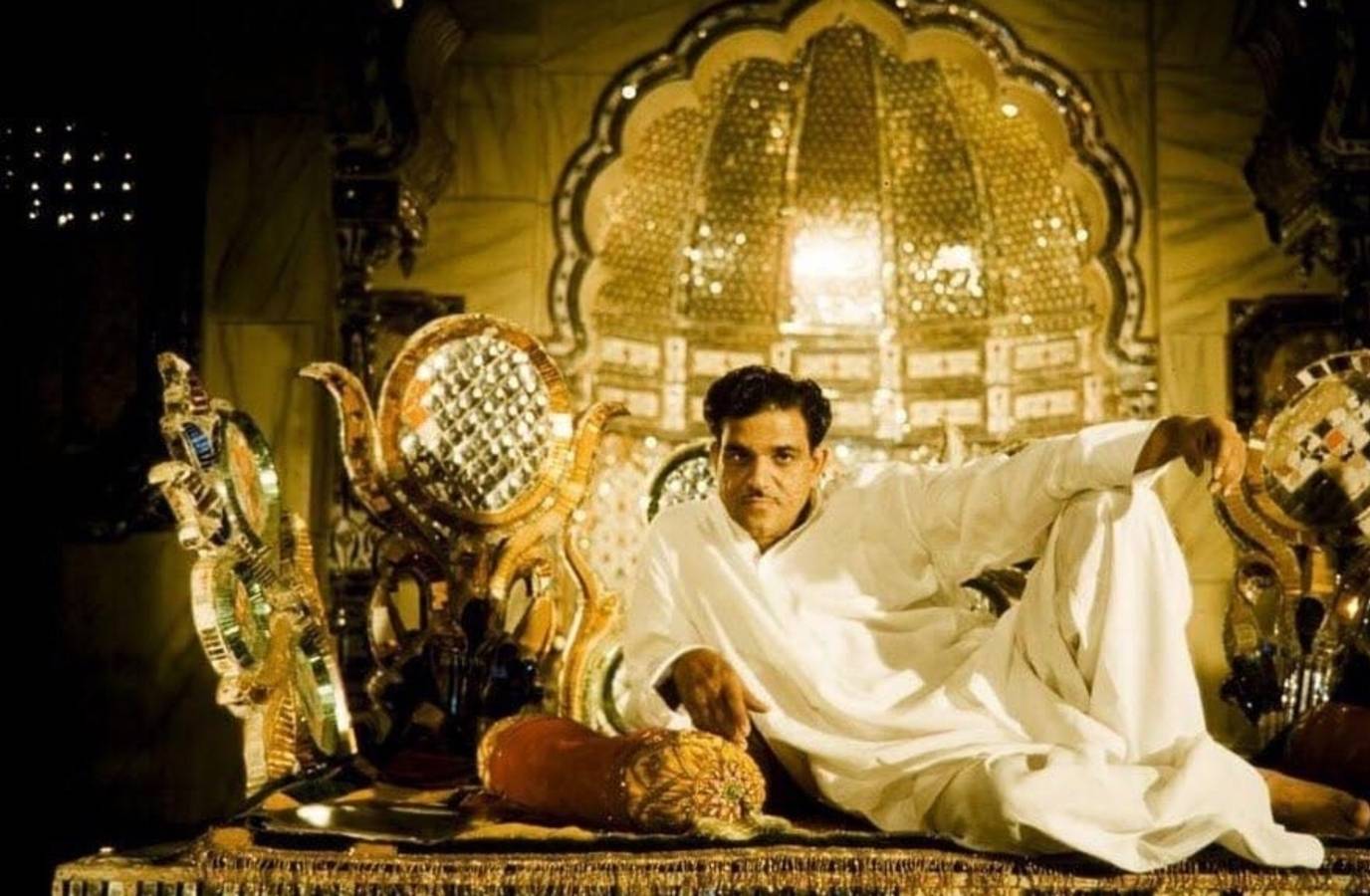
India's highest-grossing film of all time Dangal is the highest-grossing Indian film in absolute terms. It earned a little over ₹ 700 crore globally when it released in 2016, adding ₹1300 crore from China and Hong Kong a year later. The resulting ₹2070 crore worldwide gross has been the benchmark for Indian films for almost a decade. But there have been films that earned more when adjusted for inflation. Adjusting Dangal's earnings for 2026, we see its worldwide gross increase to ₹2850 crore. Yet, it falls to number 3 in the list. At number 2 is Sholay, the evergreen Bollywood classic, the most-watched Indian film. It earned ₹30 crore in its original run in 1975-80, plus a few crores in re-releases over the years. This gives it an inflation-adjusted gross of ₹3000 crore in 2026. But it loses the top spot to K Asif's Mughal-e-Azam. The most expensive Indian film ever made, this historical epic earned ₹11 crore in 1960. In 2026, its inflation-adjusted earnings are ₹3900 crore, a mark almost unbeatable in the modern context. To see just how big that number is, the two Dhurandhar films earned ₹3100 crore combined, selling just over 9 crore tickets in India. Mughal-e-Azam out-earns them by almost 30%, selling over 10 crore tickets through its run. It is a staggering feat that no Indian film has come close to emulating.
The biggest hits in Indian cinema history When adjusted for inflation, the biggest hits of Indian cinema history are a healthy mix of pan-India entertainers, black-and-white classics, and family favourites. Baahubali 2 sits in fourth place, followed by Mother India, which rounds out the top 5. Hum Aapke Hain Koun, Dilwale Dulhania Le Jayenge, and Awara follow, all of which have inflation-adjusted earnings of over ₹2000 crore. The final two entries in the top 10 are contrasting blockbusters. At #9 is Pushpa 2, which earned the majority of its collections (70%) from India. But the #10 film - Disco Dancer - earned over 90% of its collections from overseas, largely from the Soviet Union. Dhurandhar 2 sits just outside the top 10, needing ₹10 crore more to surpass Disco Dancer, which it should before ending its run.