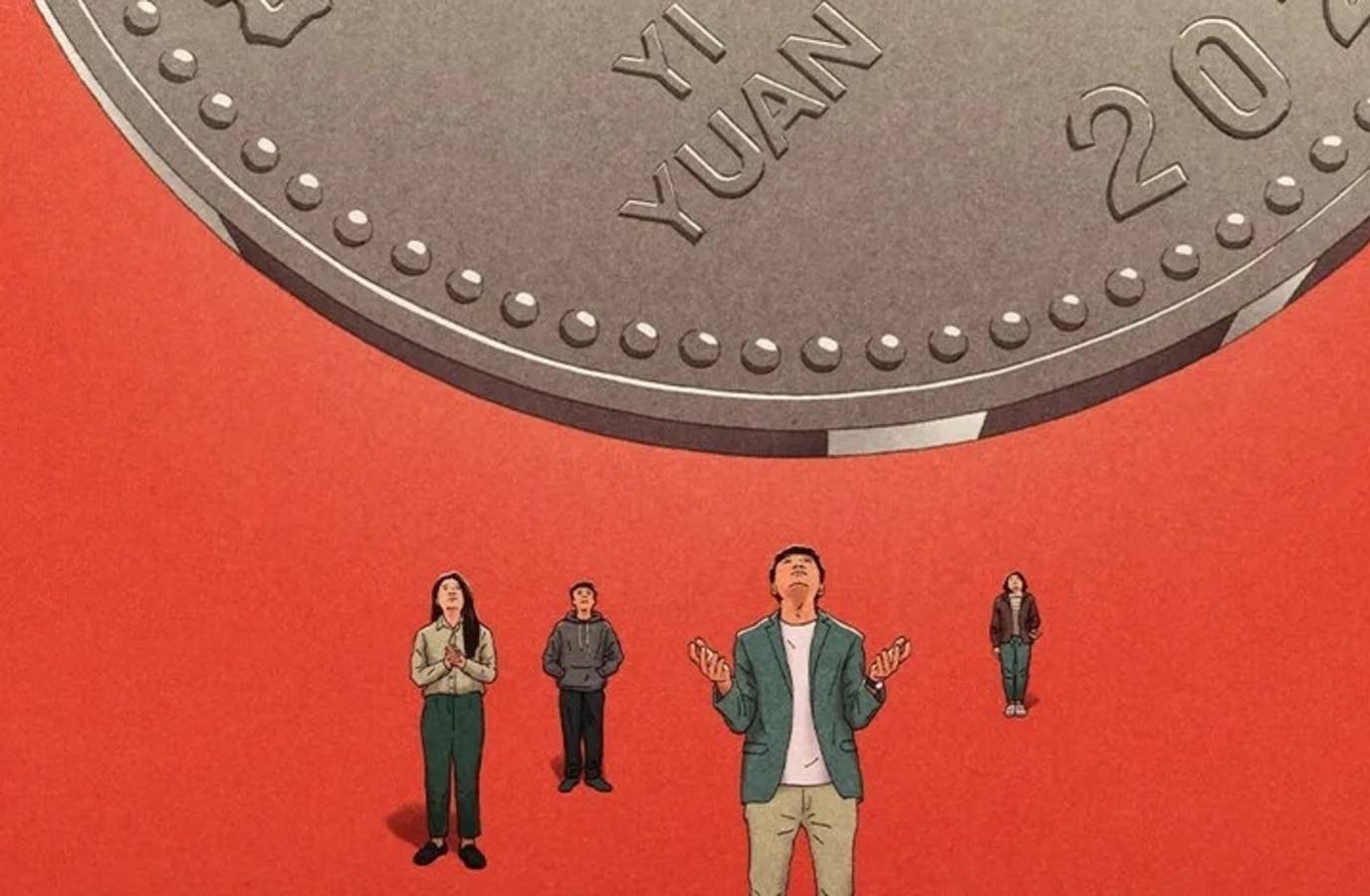
China's vast wealth transfer poses a new risk: widening inequality, cementing privilege, and breeding resentment.
The richest 10% of the population now own nearly 70% of China's total private wealth, a hundred-fold real increase since 1978.
China's inheritocracy is brand new, with a business boom minting millions of millionaires and hundreds of billionaires.
The assets of two parents are about to go to a single heir, magnifying their inherited advantage.
Steep declines in property prices have hurt almost all middle-class Chinese, while the uber-wealthy have emerged in better shape.
The most severe consequence may be a new fault line in society, with a marked rise in pessimism among Chinese people.
The government's inaction on taxing capital, a glaring hole in today's fiscal system, has allowed deep inequality to become ingrained.