The world has been watching the narrow body of water in the Persian Gulf for four weeks, and now its alternative, the Strait of Mandab, is also in the red. The US-Israel war on Iran is escalating, and the Iranian military has responded with a global supply squeeze by closing the Hormuz Strait. The International Energy Agency has assessed this as the largest supply disruption in the history of the global oil market.
The Mandab Strait, also known as the Gate of Tears, is a 33-km-wide passage through which a fifth of the world's oil is usually shipped. It connects the Persian Gulf to the Gulf of Oman and to the oceans beyond. Iran is allowing some ships from friendly or neutral countries like India to pass, but this is not enough to compensate for the losses.
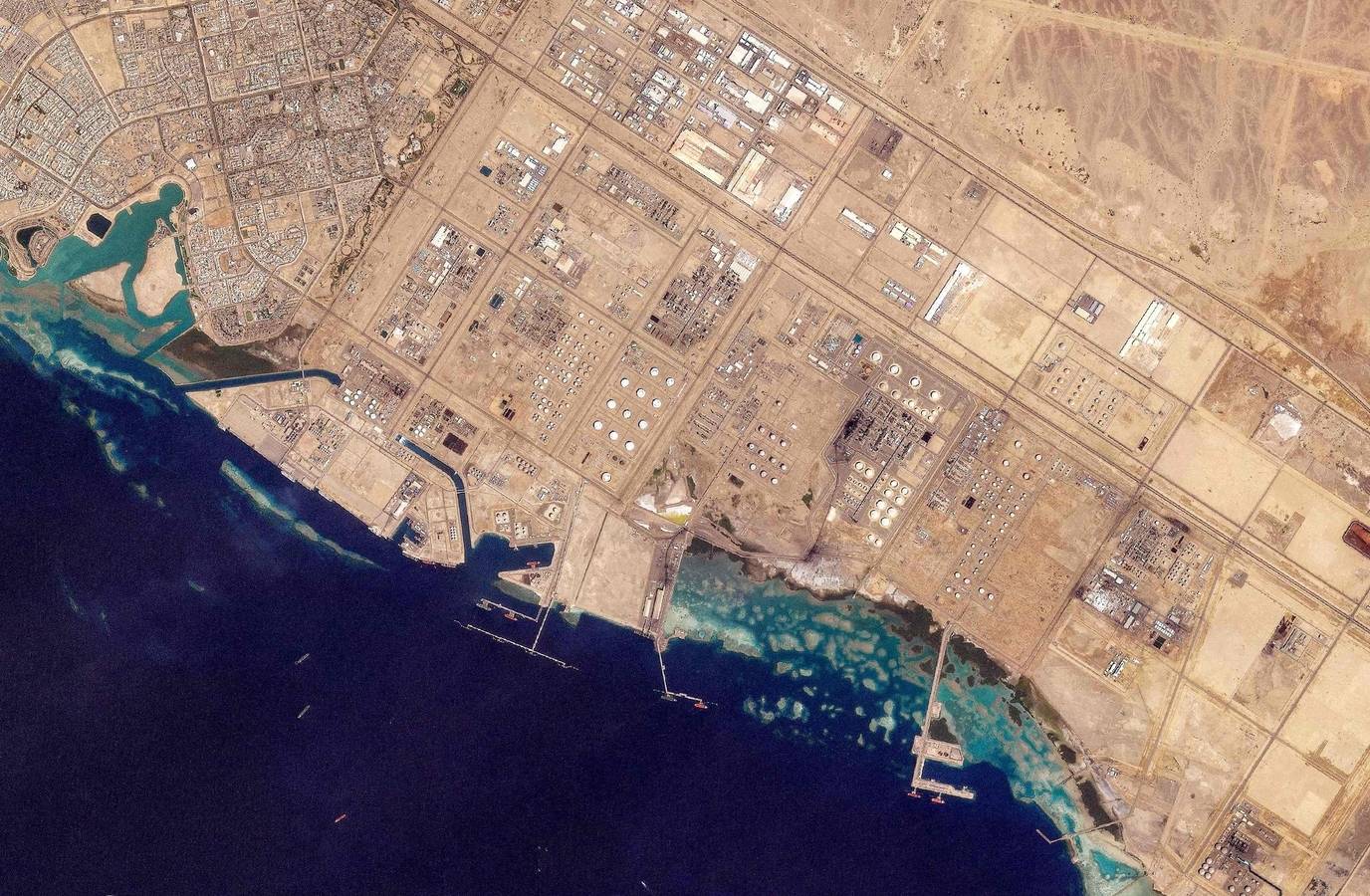
The Mandab Strait is now the only remaining way for Gulf producers like Saudi Arabia, Kuwait, the UAE, and Iraq to export oil to world markets. Insurance premiums have risen to four or five times pre-conflict levels, and the journey from the Saudi port of Yanbu to Asia via the Mandab Strait is longer.
The Houthis, sitting in Yemen at the tip of Mandab, understand this geography intimately and have exploited it before. During the 2023-24 Israeli offensive in the Palestinian territory of Gaza, the group deployed drones, anti-ship missiles, and explosive boats against commercial vessels to try and force Israel to stop.
A simultaneous disruption of both the Hormuz Strait and Bab al-Mandab could significantly intensify pressure on oil markets, even hasten an end to the war. If the Houthis were to block Mandab, they mostly disrupt Saudi Arabia's ability to bypass Hormuz for oil shipments.