Family mourned her death. 10 days later, Nepal rescuers heard ‘save me’ from rubble | World News
Rescuers have pulled several people, including two Nepali hydropower workers and a Chinese national, out alive. | World News
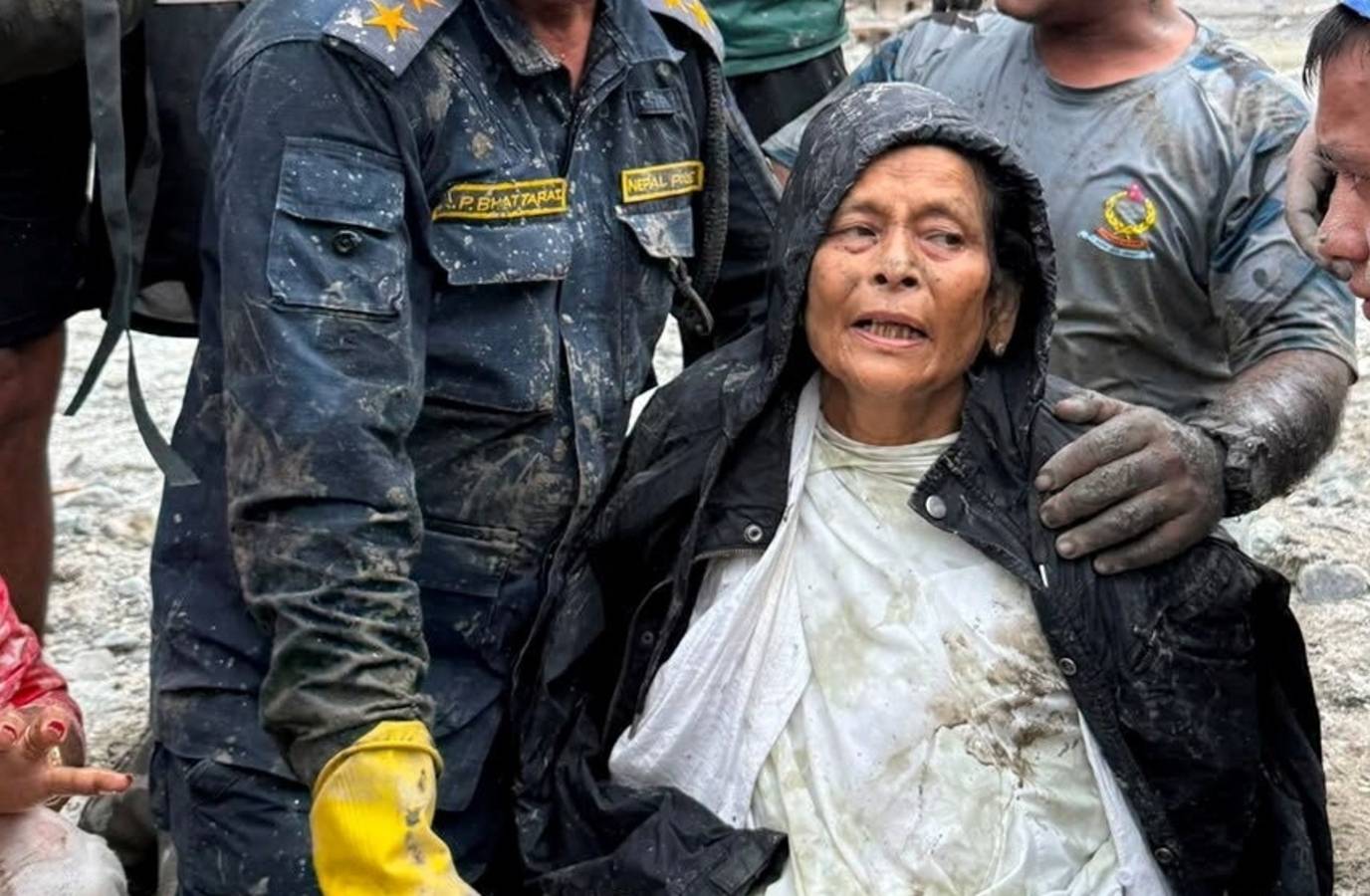
For ten days, Chandika Kumari Shrestha's family believed the worst. The 64-year-old woman was presumed dead after a catastrophic flood swept through her home in Nepal's Betrawati. The deluge buried homes, shops and entire stretches of the town under mud, rocks and debris.The family had begun observing the traditional mourning period for her death when rescuers searching the ruins of her home heard a voice. “Save me.”Police officer Mahendra Darnal and his team had been moving around what remained of the the elderly woman's four-storey home when they heard the faint call. The building had been swept away by the flood and left surrounded by waterlogged, unstable ground, Reuters reported.“The four-storey house was swept (away) by the floods and the house was left in the middle of a quicksand. While walking around it, we heard a voice 'save me,'” Darnal told Reuters. The rescue took about 45 minutes. The team found Shrestha trapped in a small space inside the collapsed structure and took her to an army hospital.“I was in touch with the family and they had started the 11-day mourning period,” Darnal said. Her rescue was one of several cases of people being found alive days after the floods. Shrestha was found unconscious on the upper floor of the house, which had been buried under debris, Nepal’s Armed Police Force said. She was rescued on Saturday, the 11th day after the flood, The Kathmandu Post reported.A nine-member Armed Police Force team led by Inspector Suman Kumar BK carried out the operation at the house belonging to Anand Shrestha in Bidur Municipality-10.A town buried under mudBetrawati, in Nepal's Rasuwa district, was among the areas hit hardest when a massive surge of water, ice, mud and rocks tore through the mountain valleys on August 26.The torrent destroyed roads, bridges, homes and infrastructure. Buildings that once stood several storeys high were reduced to heaps of debris. In parts of Betrawati, thick white deposits hardened around structures, making the work of rescue teams even more difficult, HT reported earlier.ALSO READ | After Nepal floods, the Himalayan glaciers on India’s risk list — and the ones that aren’tThe town's market was almost completely buried. Five days before Shrestha was found, rescuers recovered 24 bodies in a decomposed condition from a building in the market area that had housed a small shop, Darnal said.Amid the devastation still, rescue teams continued looking for signs of life.Workers wearing helmets dug through the rubble with shovels. Others crawled through narrow gaps in collapsed structures, periodically blowing whistles and listening for a response.Hope beneath the tunnelsShrestha was not the only survivor found after days trapped in the disaster zone. Rescuers have also pulled people alive from hydropower tunnels along the Trishuli river, where workers were believed to have been trapped when the flood struck.Two Nepali hydropower workers were rescued from the Upper Trishuli 3A tunnel after spending nine days underground. They were 30-year-old mechanical foreman Sanjay Sah and 45-year-old mechanical supervisor Kabir Maharjan.A Chinese national was also pulled alive from deep inside a hydropower tunnel. “As long as there is breath, there is hope!” energy minister Biraj Bhakta Shrestha said as search teams continued their work. At least 12 hydropower projects were affected by the disaster. At several sites, rescuers have had to rely on technical drawings, former workers and engineers who know the underground layouts.ALSO READ | Chinese national rescued alive from hydropower tunnel after 10 days, Nepali army saysEngineers help rescuers map tunnelsA WhatsApp group of more than 500 engineers, former hydropower workers, government officials and other experts has also become part of the search effort. Members have been sharing tunnel maps, drawings and information about hydropower facilities with rescue teams.The group is being used to help track missing workers as well. Names and mobile numbers are shared with officials, who can seek information from telecom authorities about the last known locations of phones.“The flood has altered the terrain around the tunnels and changed their structure, while mud, rocks, soil and other debris had accumulated inside,” Nepal Army spokesperson Raja Ram Basnet told Reuters. “This is not a normal closure of tunnels.”ALSO READ | Maps, last locations, experts: How a WhatsApp group is helping Nepal rescuers navigate difficult tunnel terrainAt Upper Trishuli 3A, rescuers took nearly six days to reach a buried tunnel. Oxygen was pumped into possible spaces where workers could be trapped.The latest death toll from the disaster has risen to 1,344, as per the Nepali health ministry. Thousands of people across Nepal and Tibet remain missing.