
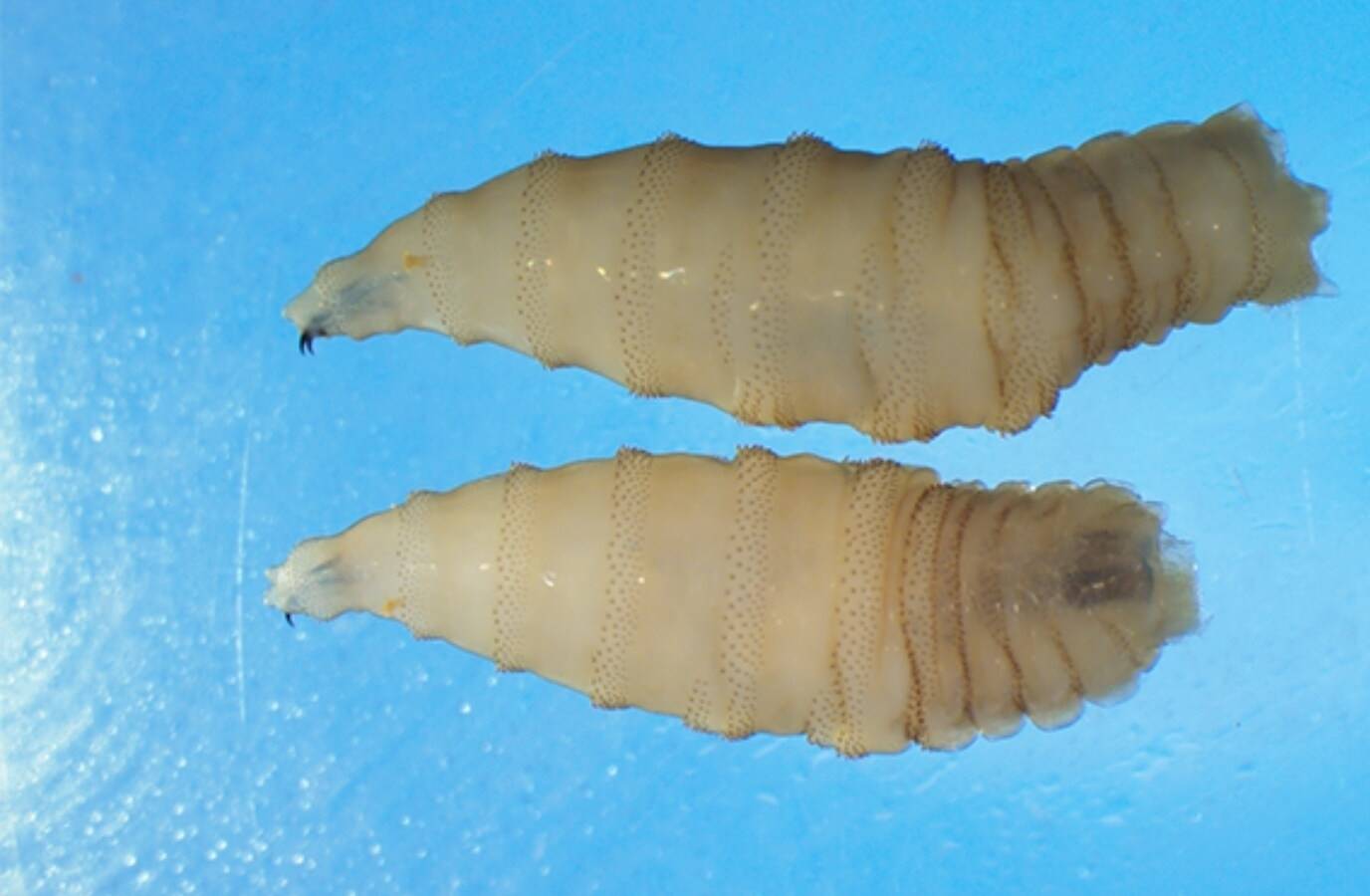
The US Department of Agriculture has flagged a possible case of the New World Screwworm in South Texas. The sample is currently being tested at the USDA's National Veterinary Services Laboratories in Ames, Iowa.
While there is no official confirmation yet, the suspected screwworm case is reportedly 'presumptive positive' according to a USDA source.
The New World Screwworm, also known as Cochliomyia hominivorax, is a parasitic fly that feeds on the tissue or flesh of warm-blooded animals and people.
The flies are attracted to openings in the body and wounds, and their eggs can hatch into maggots that eat live tissue, causing painful and foul-smelling wounds.
Symptoms of a screwworm infestation include seeing or feeling maggots move within a skin wound or sore, painful wounds or sores that worsen in a few days, bleeding from open sores, and a foul smell.
Prevention includes sleeping indoors, keeping open wounds clean and covered, and using EPA-registered insect repellent. Treatment may require a medical expert to surgically remove each maggot.
The possible infestation has raised concerns for farmers, with cattle futures potentially being impacted by a screwworm infestation in the US.