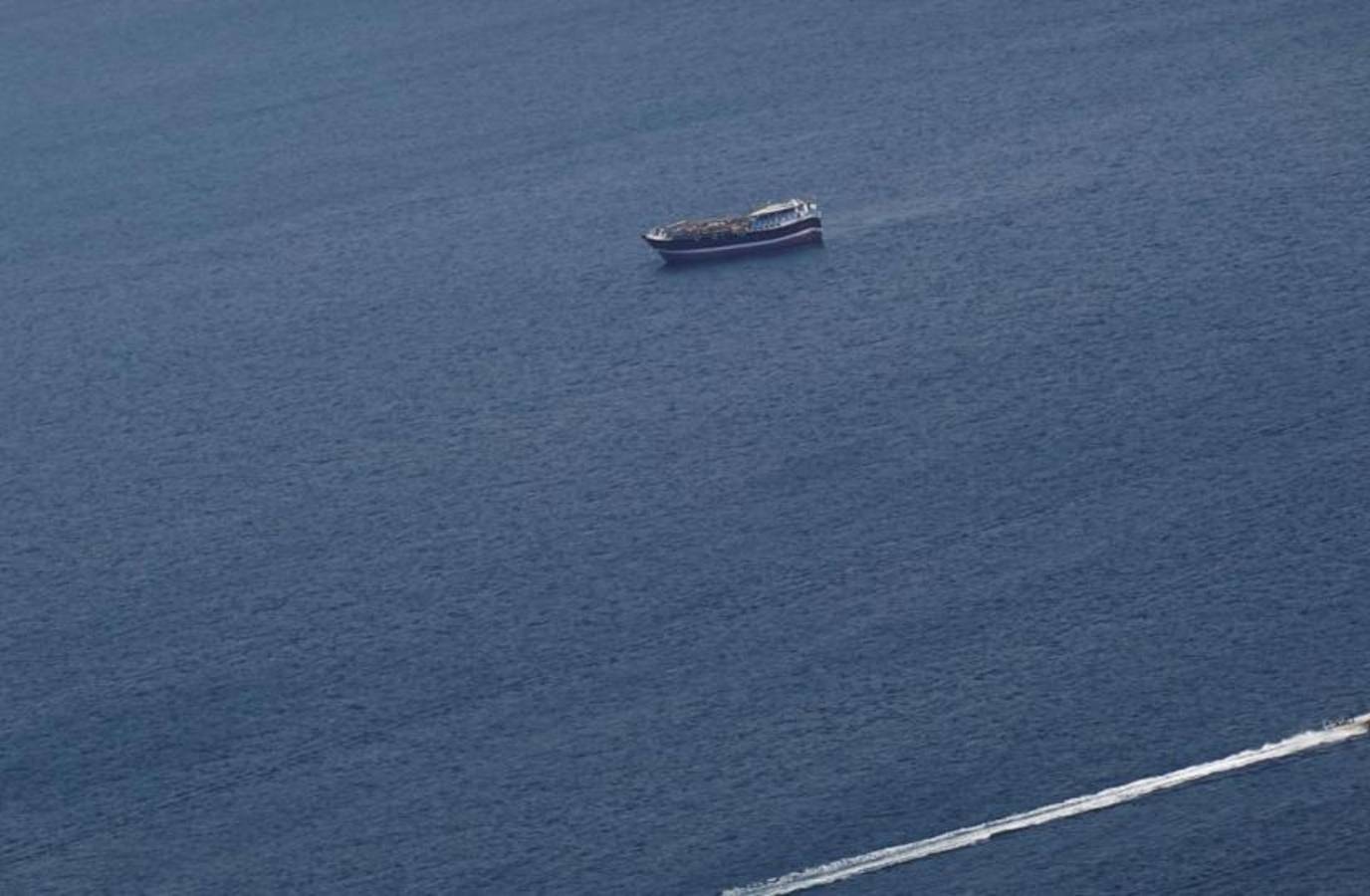
Global markets are bracing for the unthinkable: a closure of the Strait of Hormuz, the world's most critical oil chokepoint. The Strait, which lies between Iran and Oman, connects the Persian Gulf to the Gulf of Oman and the Arabian Sea, and is a vital route for roughly 20% of the world's oil and gas supply.
India, which depends heavily on Middle East crude, could face higher fuel prices, inflationary pressures, and economic instability if the Strait is closed. The country sources around 55% of its crude imports from the Middle East, and its buffer is far thinner than that of China.
A prolonged disruption would force India to compete globally for alternative barrels - likely at higher prices. The likely impact on India includes higher fuel prices, inflation pressures, a widening trade deficit, pressure on government finances, and currency volatility.
Asia buys nearly 90% of Middle Eastern oil exports, and Japan and South Korea are heavily dependent too, but they hold much larger strategic reserves. Europe and the United States may import less Gulf crude directly, but they would not be immune to the impact of a closure.
Shipping costs are already soaring, with freight rates for very large crude carriers (VLCCs) having reportedly doubled, and LNG shipping rates having jumped over 40%. Insurance premiums have surged, and major container lines are suspending bookings to Gulf ports.