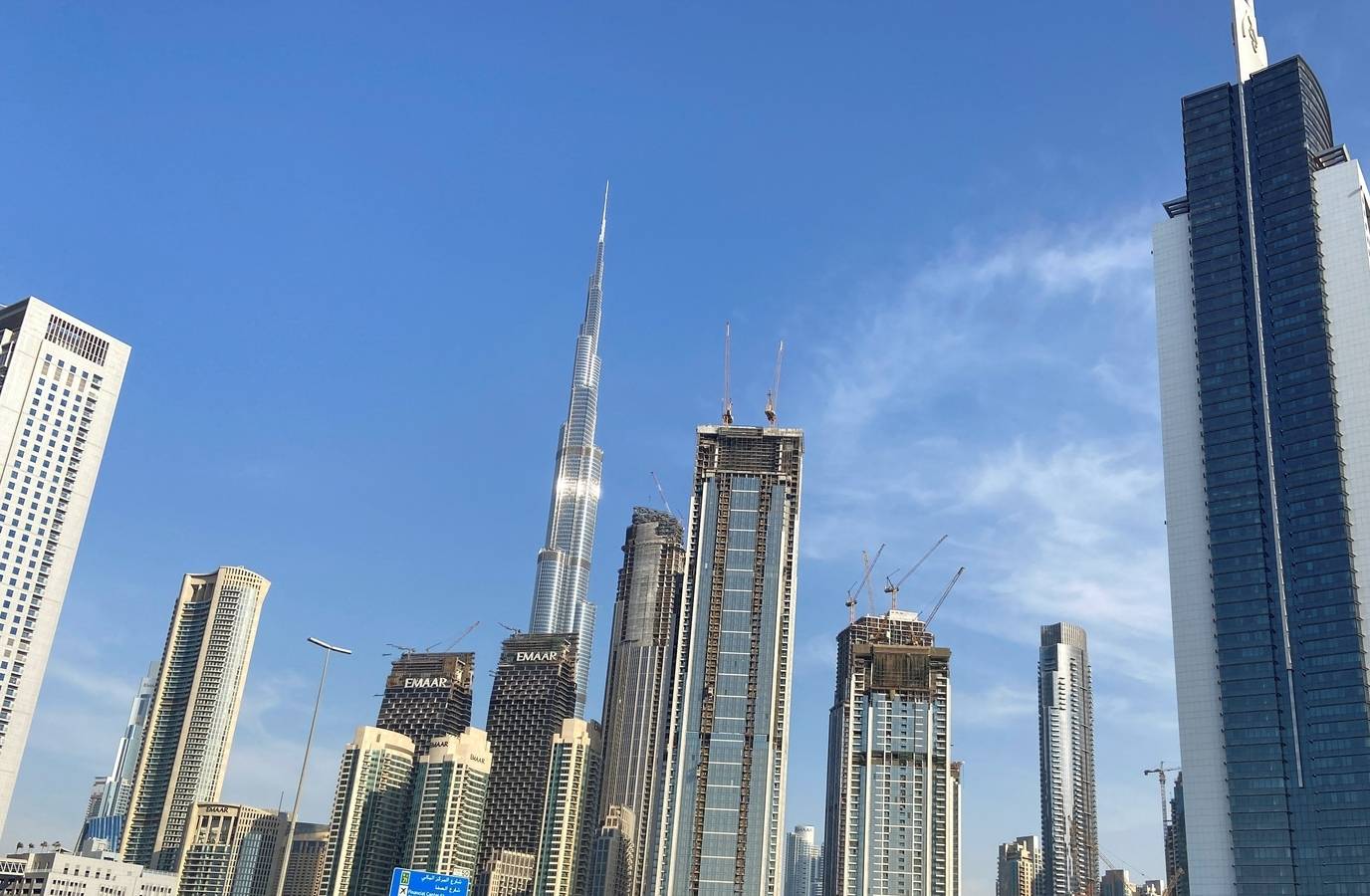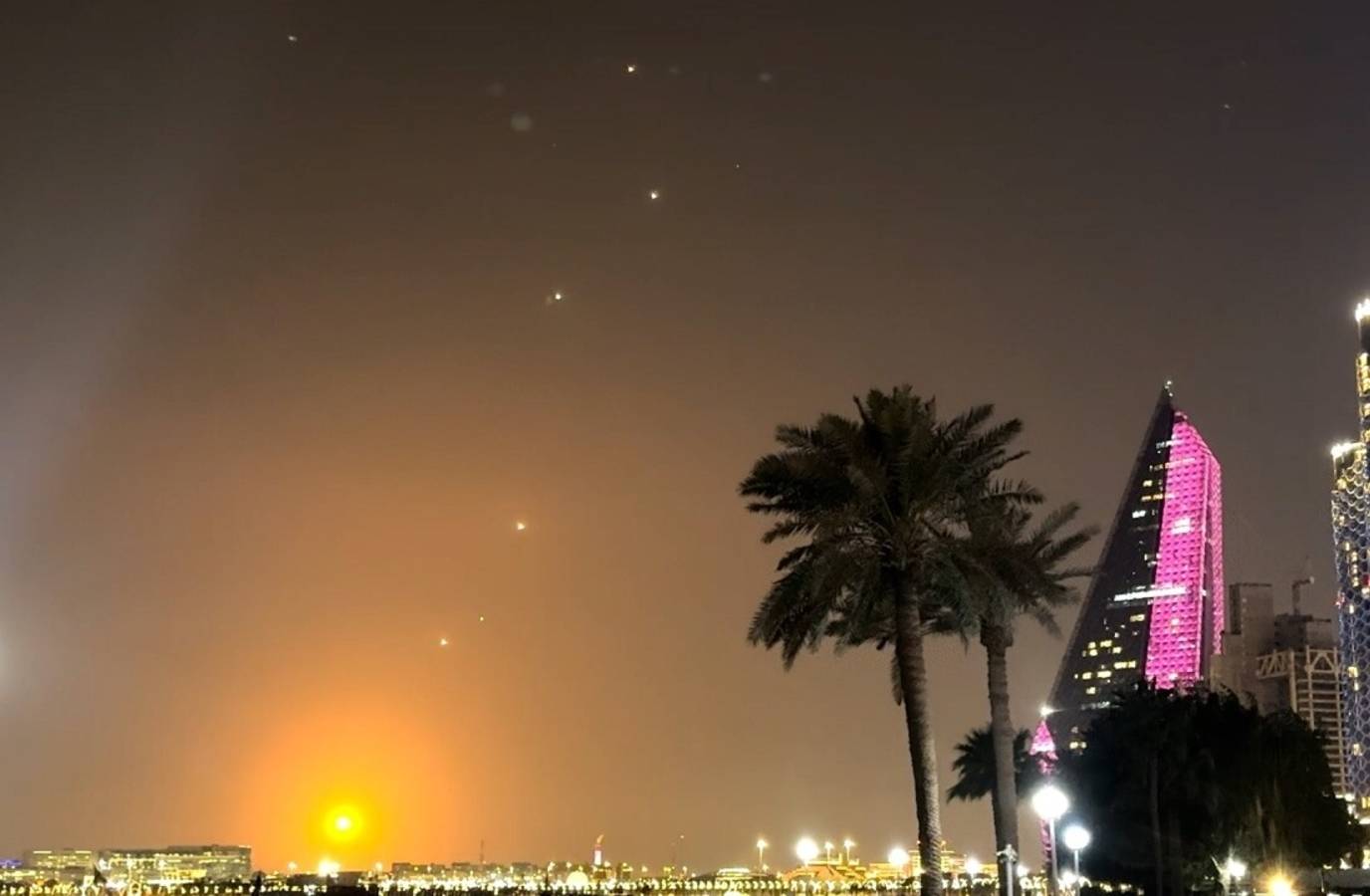
Persian Gulf nations targeted by Iran have managed to limit the damage by deploying sophisticated U.S.-made air defenses against the hundreds of drones and missiles that have rained on their cities.
The oil-rich Gulf Arab states have fielded some of the most advanced air defenses in the world, but a crucial variable in this war is whether these monarchies start running out of interceptors before the Iranian regime runs out of projectiles.
At current burn rates, it could be very soon that the Gulf states will feel the pain of interceptor shortage, said Fabian Hoffmann, a missile expert at the University of Oslo.
The United Arab Emirates alone said that by Monday evening it has been targeted by 174 Iranian ballistic missiles, eight cruise missiles and 689 drones in three days.
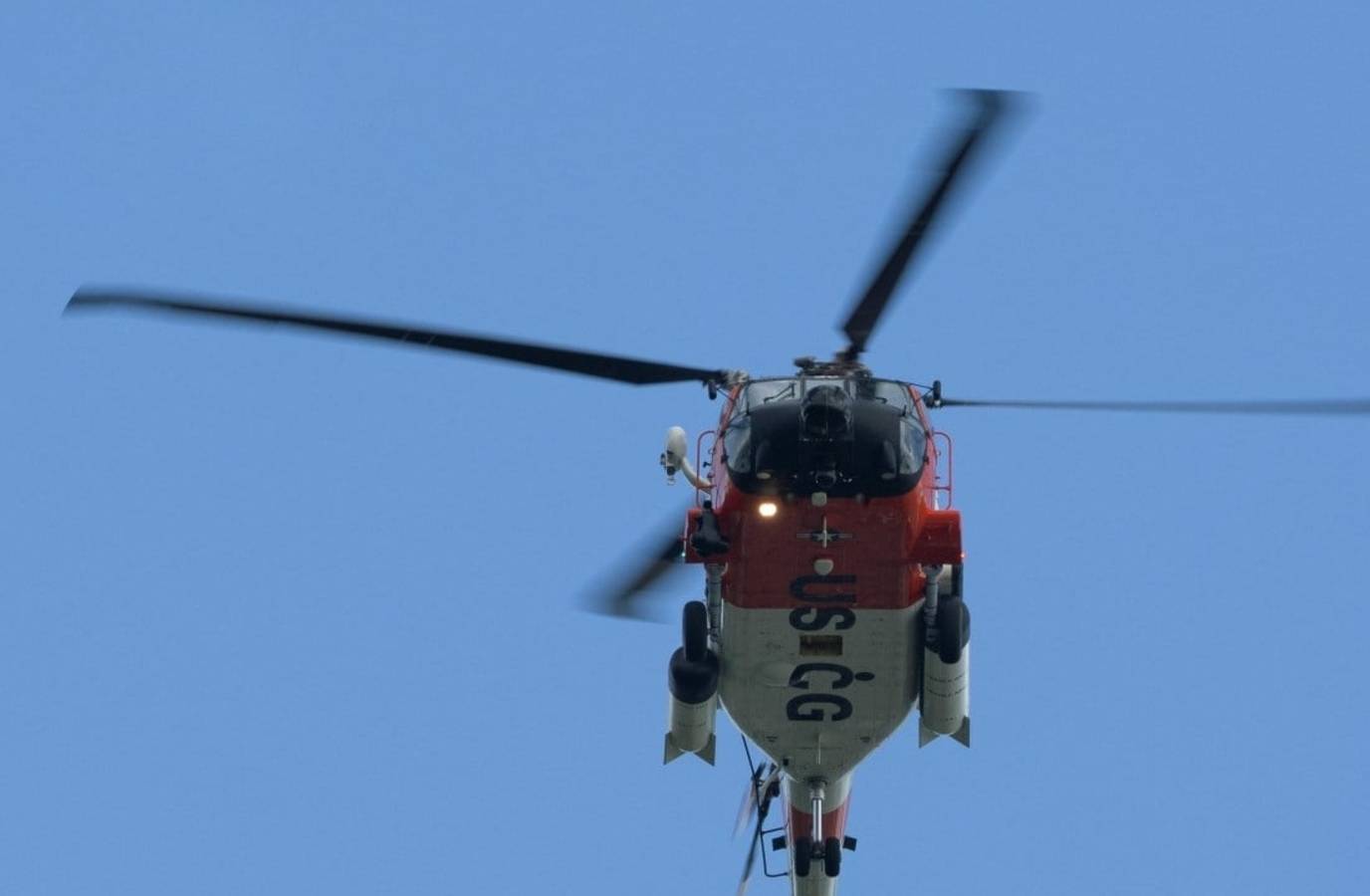
The Gulf states are also defended by interceptors fired by the U.S. military, which has rushed more hardware into the Middle East, but the Pentagon is running low on its stockpile of Patriot missiles.
Each missile costs millions of dollars, and military analysts warn that the approach of using Patriots to down Iran's Shahed drones, which cost only a fraction of the cost of the missile, isn't sustainable for much longer.
That shift means accepting risk and essentially allowing some of these drones to get through, which is going to have a devastating effect on the relative calm and stability that these Gulf states have touted for years.