
The Gulf Co-operation Council (GCC) members are struggling to find a unified response to Iran's recent missile and drone attacks, which have left over 2,000 projectiles raining down on the region in the past ten days.
The attacks, which began after America and Israel struck Iran on February 28th, have not been equally distributed, with more than half of Iran's attacks targeting the United Arab Emirates (UAE) and a handful aimed at Oman.
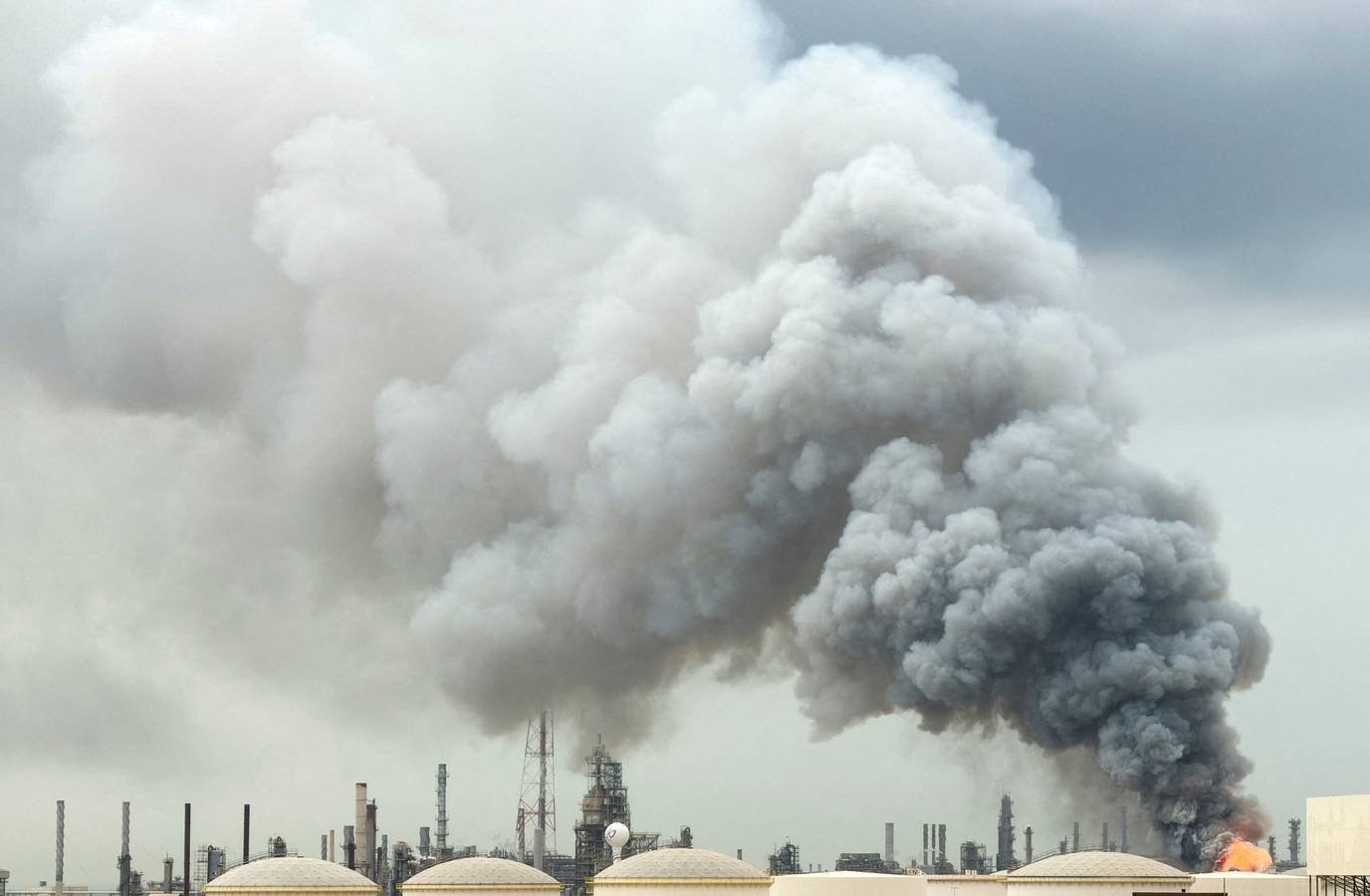
The most recent drone attack, on March 9th, hit Bahrain's sole oil refinery, injuring 32 people and leading the state-run oil company to declare force majeure.
However, the Gulf states are paralyzed due to a lack of trust in the parties involved, including themselves, America, and Iran.
Some officials urge restraint, while others seek retaliation, with the business community and public opinion also playing a significant role in the decision-making process.
The issue is further complicated by the UAE's close partnership with Israel, which has led to concerns about Israeli leaks and the potential for a fait accompli.
The Gulf states are monarchies, but they cannot ignore public opinion, and the risk of stirring up fresh unrest, particularly in Bahrain, is a major concern.