
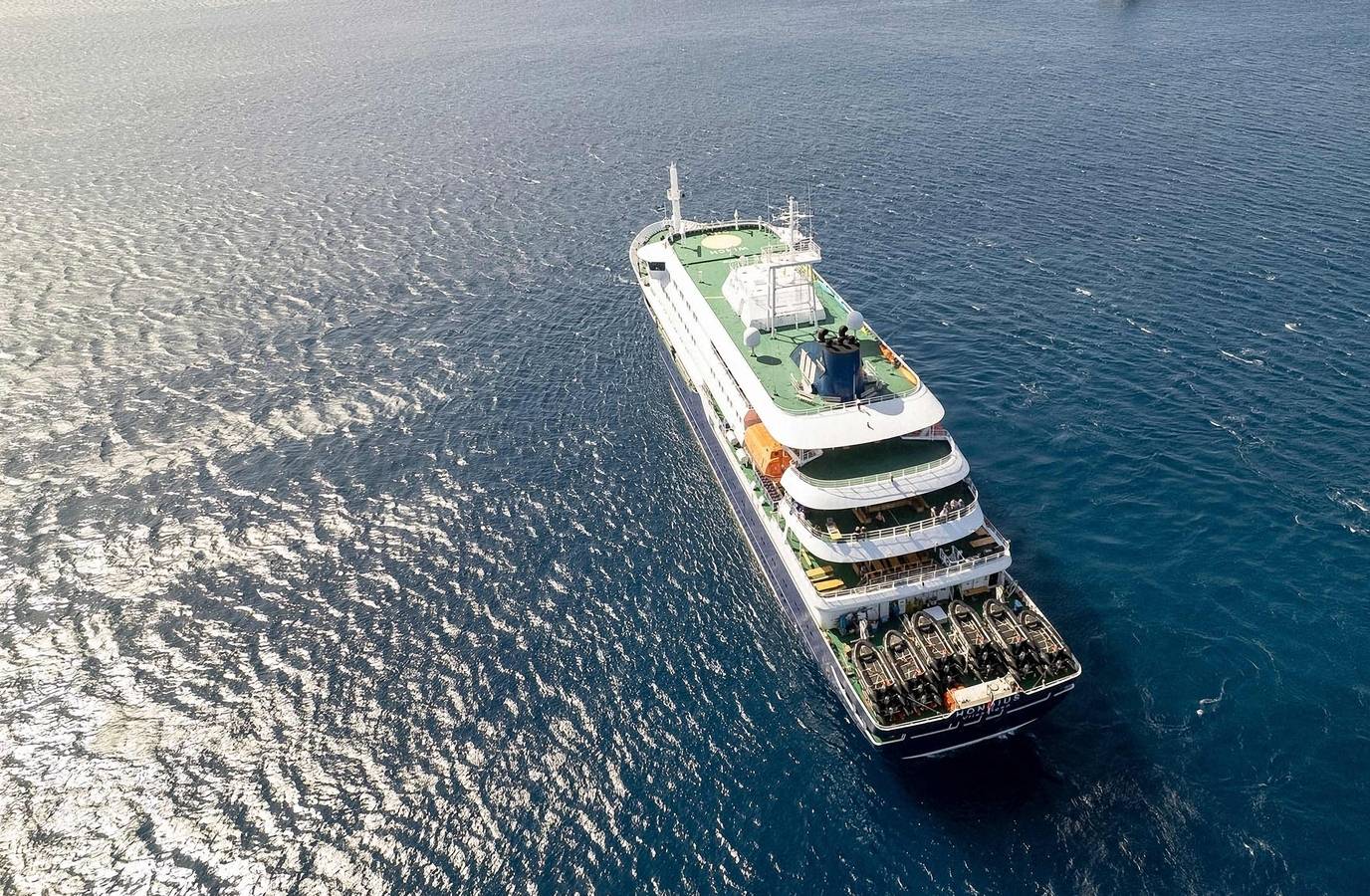
A health emergency has unfolded on the MV Hondius, a polar expedition cruise vessel, after multiple passengers developed a severe respiratory illness during a voyage across the Atlantic Ocean.
The World Health Organization (WHO) confirmed that at least three people have died following a suspected hantavirus outbreak, with one patient testing positive for the virus and five additional infections under investigation.
The WHO stressed that hantavirus infections are generally linked to rodent exposure rather than cruise-related transmission, and can spread between people, leading to severe respiratory illness and potentially fatal consequences.
Hantavirus Pulmonary Syndrome (HPS) and Hemorrhagic Fever with Renal Syndrome (HFRS) are two forms of the disease, with HPS being the most common in North and South America.
The virus spreads through contact with infected rodents, breathing in airborne particles, touching contaminated surfaces, or being bitten by an infected rodent.
There is no vaccine or specific antiviral treatment for hantavirus, and early symptoms include fever, muscle aches, fatigue, and headaches, which can rapidly progress to severe breathing difficulty.