Houthi escalation, Mecca Pact: Why India is watching West Asia closely | Point Blank | World News
At the centre of the latest escalation are the Iran-backed Houthis, who have emerged as one of the most potent non-state military forces in West Asia. | World News
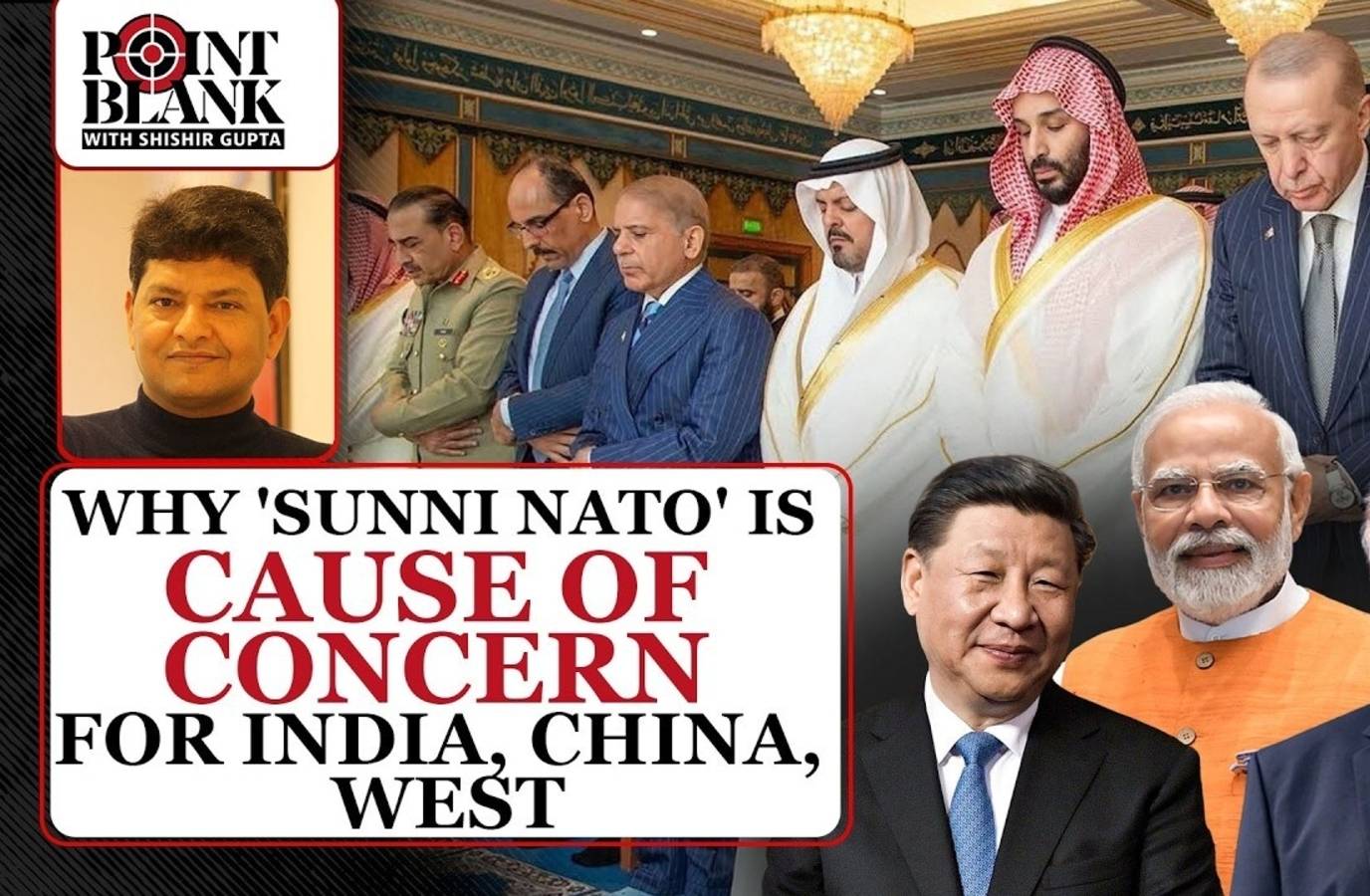
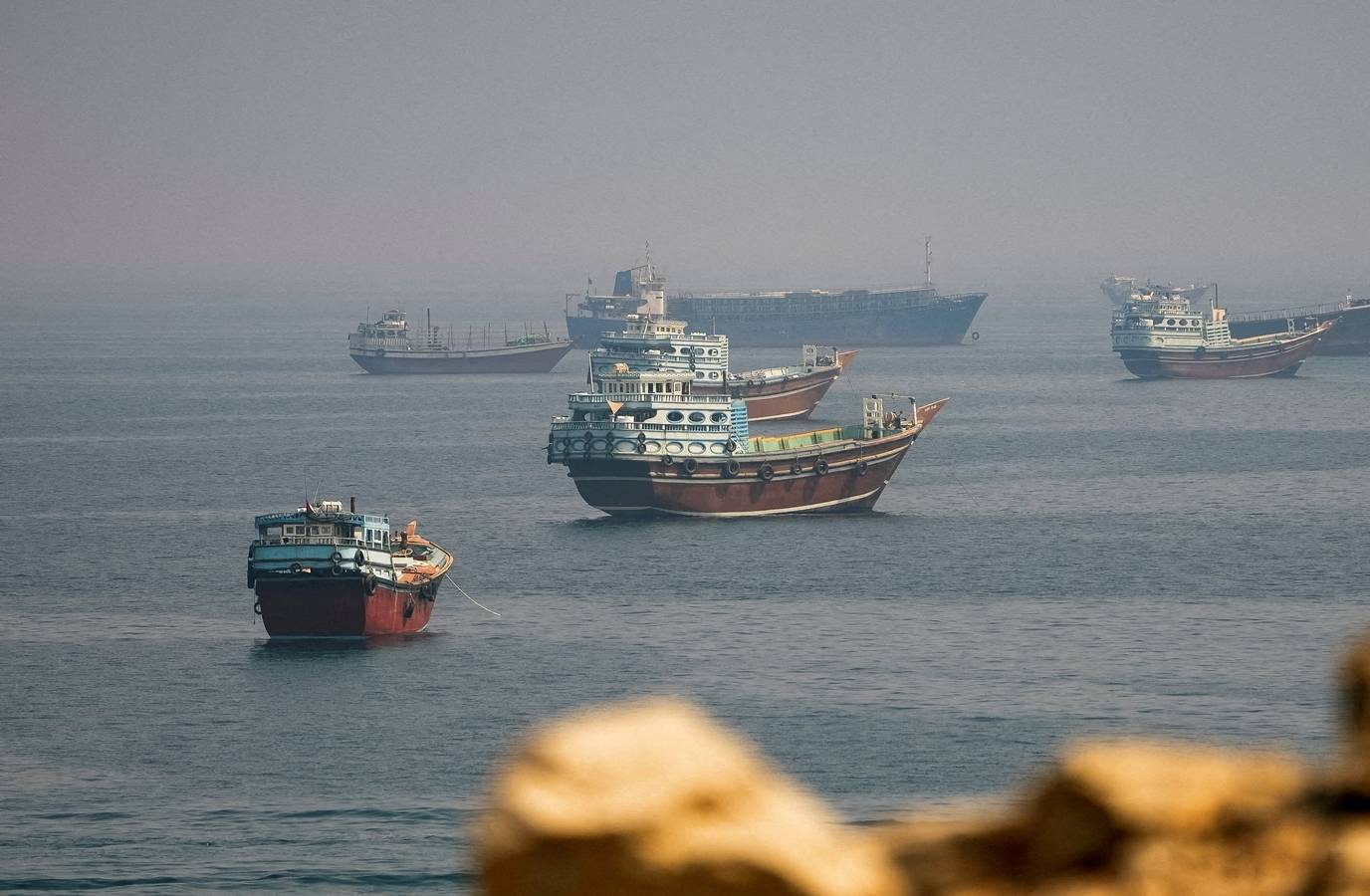
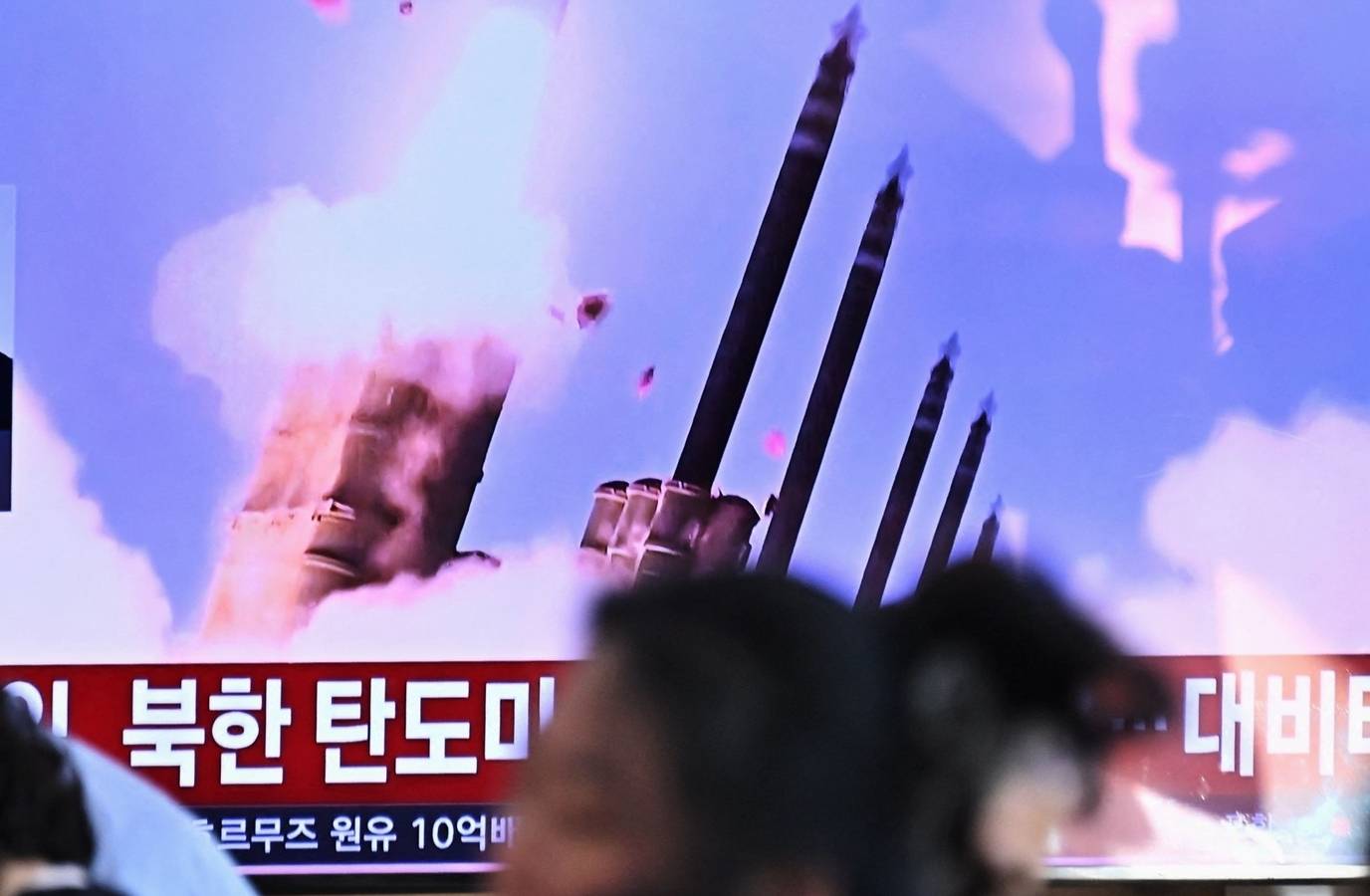
The latest Houthi attacks on Saudi Arabia have pushed an already volatile Middle East closer to a wider regional confrontation. What began as a conflict rooted in Yemen is now spilling across borders, threatening vital shipping lanes, disrupting energy markets and drawing in Saudi Arabia, Iran, the United States, Pakistan, Turkey and Israel.In a conversation with Hindustan Times Senior Anchor Aayesha Varma, HT Executive Editor Shishir Gupta described the situation as an “endless wars” scenario—one in which military conflict, sectarian rivalries, great-power politics and domestic electoral pressures are all converging at once. The result, he argued, is a dangerous and unstable global environment with direct implications for India’s security and energy interests. A Yemen Conflict With Global StakesAt the centre of the latest escalation are the Iran-backed Houthis, who have emerged as one of the most potent non-state military forces in West Asia. Their attacks on Saudi territory, including energy infrastructure around Riyadh, underline both their military reach and their ability to impose costs on a far better-equipped adversary.Also read | ‘Track 2’ that wasn’t: India-Pak back channels, water wars, and a hardening red line | Point Blank with Shishir GuptaThe Houthis are not merely an armed group fighting a civil war inside Yemen. They are also contesting Saudi influence in the region, battling forces aligned with the Sana’a government and exerting pressure near the Bab-el-Mandeb Strait—the southern gateway to the Red Sea and, beyond it, the Suez Canal.That geography makes the conflict far more consequential than a local Yemen war. The Red Sea-Suez Canal route is among the world’s most critical commercial and energy corridors. Any disruption affects cargo flows between Asia and Europe, raises shipping-insurance costs and creates fresh uncertainty in oil markets. As Gupta noted, the pressure on Red Sea shipping has come alongside a wider crisis around the Strait of Hormuz, creating a double blow to global energy security.Also read | India closes in on its first homegrown fighter jet engineThe Houthis’ military toolkit is a key part of the problem. Their use of ballistic missiles, drones and mobile “shoot-and-scoot” tactics makes them difficult to target through conventional airpower. Saudi Arabia possesses advanced combat aircraft, including F-15s, Tornados and Typhoons, but a guerrilla force that constantly shifts its launch locations can be far harder to defeat than a conventional army with fixed bases and visible infrastructure.This asymmetry helps explain why the conflict has remained difficult to contain. The Houthis may not match Saudi Arabia in conventional military strength, but their ability to threaten infrastructure, sea lanes and population centres gives them disproportionate strategic leverage.The Strait of Hormuz and the Energy SqueezeThe Houthi challenge in the Red Sea is unfolding alongside heightened tension involving Iran and the United States. Gupta pointed to the severely constrained movement of ships through the Strait of Hormuz, another strategic maritime chokepoint through which a major share of global oil trade ordinarily passes.Together, the Strait of Hormuz and the Red Sea-Suez corridor form two essential arteries of global commerce. When both come under pressure, the consequences travel far beyond the Middle East.For India, which imports roughly 85 percent of its crude-oil needs, prolonged disruption in these waters is not an abstract geopolitical concern. It has a direct bearing on the country’s import bill, fuel prices, inflation trajectory and overall economic planning.The crisis is also occurring at a time when the wider world is already dealing with the Gaza war, continuing Russia-Ukraine hostilities and rising tensions around Taiwan. In this setting, another prolonged conflict affecting global shipping and hydrocarbons adds to a sense of strategic overload.The Mecca Pact: A New Sunni Security Bloc?A major focus of the discussion was the so-called Mecca Pact, reportedly involving Saudi Arabia, Turkey and Pakistan. The arrangement has prompted competing interpretations: some see it as underdeveloped or overstated, while others view it as the potential foundation of a more organised Sunni political and military alignment.Gupta’s assessment is that the grouping has a discernible strategic logic. The underlying idea appears to be that, as the United States becomes a less dependable security guarantor in West Asia, regional Sunni powers could create their own framework for collective influence and defence. Saudi Arabia brings financial resources, advanced Western-origin weaponry and religious standing as custodian of Islam’s holiest sites. Turkey brings a powerful military, regional ambitions and NATO membership. Pakistan brings a large army, combat experience and nuclear capability.However, the grouping’s objectives remain unclear. Saudi Arabia has maintained that the alliance is not directed against any third party, but its military and political potential naturally raises questions across the region.The complexity lies in the fact that the three partners do not have identical adversaries or priorities. Turkey has deep tensions with Israel, Greece and Cyprus. Saudi Arabia’s principal strategic challenge is Iran and Iranian-aligned groups. Pakistan’s principal military rival remains India.That divergence may limit the alliance’s cohesion. Yet it also creates concern for New Delhi, especially if the arrangement evolves beyond security coordination into a wider political bloc that can mobilise support among other Muslim-majority states on issues such as Kashmir at international forums.Why India Is Watching CloselyIndia’s immediate public posture has been to call for restraint and de-escalation. But beneath that diplomatic language lies a hard-headed assessment of risks across several fronts.First, New Delhi has to account for the possibility that Turkey and Saudi Arabia could, in a future India-Pakistan confrontation, enhance Pakistan’s military capacity through weapons, drones, intelligence support or financial backing. The transcript specifically raises concerns about Turkish supplies of unmanned systems to Pakistan and the possibility that Saudi Arabia’s advanced military inventory could serve as a force multiplier for Islamabad.Second, India must consider the political implications of a Saudi-Turkish-Pakistani alignment. A more coherent Sunni bloc could seek to build wider diplomatic coalitions on issues relevant to India, particularly at multilateral institutions.Third, India’s energy vulnerability makes stability in the Gulf and surrounding maritime chokepoints essential. New Delhi has steadily diversified its crude-import basket, purchasing more oil from countries including the United States and exploring supplies from Venezuela. However, sanctions on Iran and the uncertainty surrounding Russian oil constrain India’s choices.India’s strategy, therefore, involves maintaining dialogue with Saudi Arabia and other regional powers, while carefully preparing for military, political and economic contingencies. The key question is not simply whether the Mecca Pact becomes a formal military alliance, but how far its members are willing to translate political symbolism into operational cooperation.The Russia Oil QuestionThe Middle East crisis is compounded by the prospect of tougher US action against countries buying Russian oil. Gupta warned that any move by Washington to use punitive tariffs or sanctions against India over its energy purchases could become a significant stress point in India-US ties.India’s argument is straightforward: abruptly cutting off access to Russian crude without viable alternatives would raise costs, tighten supplies and add upward pressure to global oil prices. With Iranian oil effectively unavailable because of sanctions, and with maritime routes under threat, India’s energy options are already narrower than they might appear.The broader lesson is that energy policy is no longer separate from foreign policy or national security. India’s oil purchases, shipping routes, relations with Washington and engagement with Gulf powers are becoming increasingly intertwined.The Middle East’s latest flare-up is therefore not just about Saudi air strikes, Houthi missiles or Yemen’s internal conflict. It is about who controls strategic waterways, who protects energy flows, whether new military blocs emerge and how countries such as India navigate a world in which crises are becoming more connected than ever.