Houthis bombard Saudi air links in effort to cut kingdom off from rest of world | World News
Missile attacks on airports are spooking travelers and threatening another pillar of the kingdom’s growth. | World News
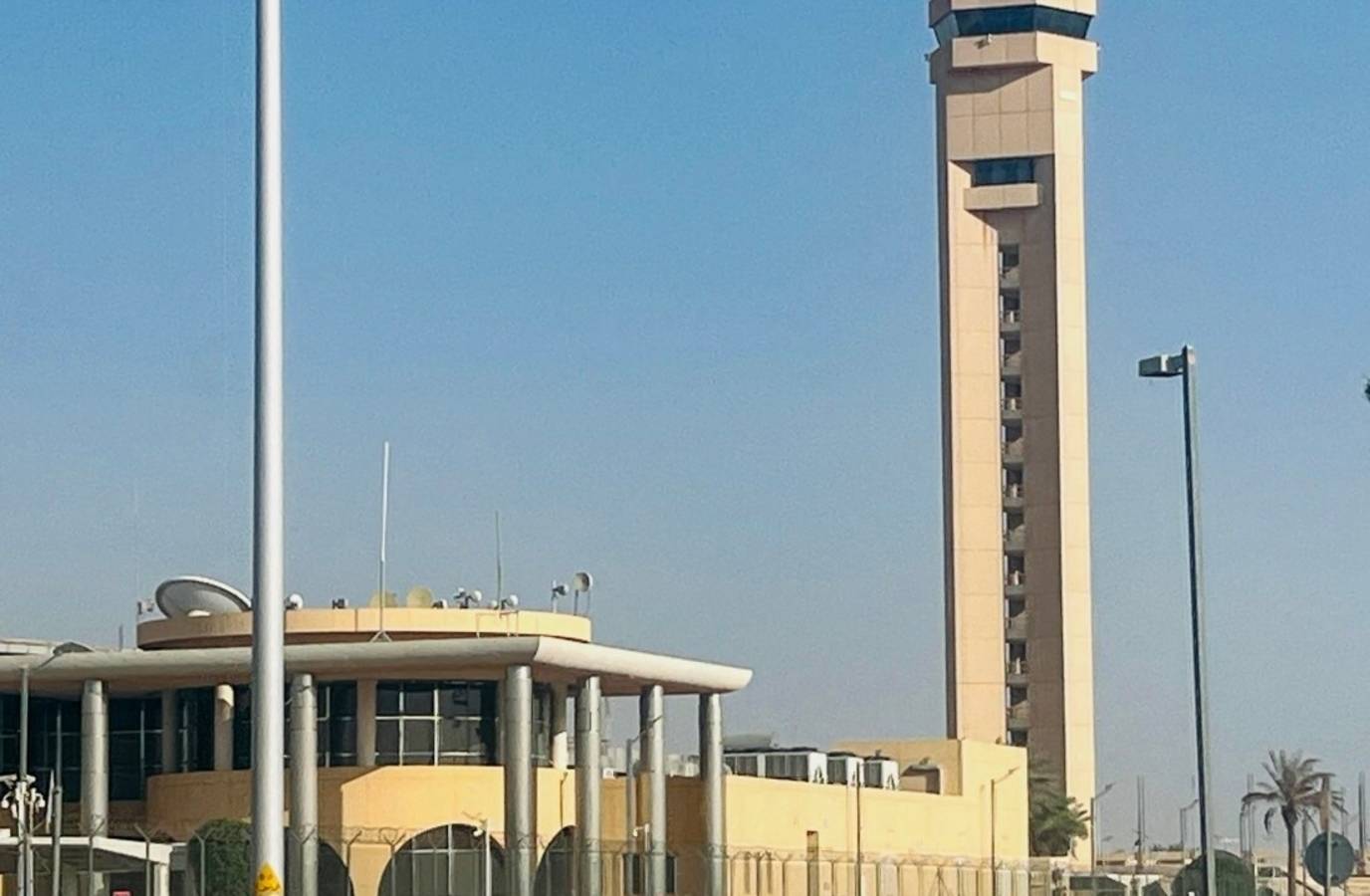
DUBAI—Yemen’s Iran-backed Houthi militants are taking aim at Saudi Arabia’s air links to the world, rattling travelers and squeezing another key sector of the kingdom’s economy while its crucial oil industry remains under fire.The missile attacks on King Khalid International Airport in Riyadh and several southern Saudi cities threaten to choke off business travel and tourism just as the busy conference and travel season gets under way. The overlapping instability stemming from the conflicts involving the Houthis and Iran could also frustrate Crown Prince Mohammed bin Salman’s efforts to renew a push to boost foreign investment.A major test will come with the kingdom’s flagship Future Investment Initiative summit, which is expected to draw thousands of global executives and investors to Riyadh at the end of this month. The Saudi leadership isn’t planning to cancel the event but is growing more worried about the conflict’s impact on the economy and about tight supplies of missile interceptors needed to fend off attacks, people familiar with the matter said.The kingdom has pressed the U.S. to intervene directly in the conflict, but the Trump administration has declined. Some Saudi advisers are pressing the country’s leaders, who escalated the fight in Yemen this week, to keep the door open to diplomacy with the Houthis, the people said. Thursday’s attacks on Riyadh’s airport—which left three dead, including a pilot for flagship carrier Saudia, and destroyed a passenger jet—are already disrupting air travel. Flight tracker Flightradar24 said the airport closed again Friday afternoon after disruptions the day before, and cancellations were again piling up. A number of airlines have halted flights to Riyadh, and Singapore Airlines postponed the launch of its flights to the capital until March. Many foreign consultants and other businesspeople found themselves stuck in Saudi Arabia as the weekend in the kingdom began on Friday. Some of their companies told them not to go to the airport after Thursday’s strike.One medical-sector worker who had boarded a flight home at the time of the attack said he was kept in the plane for an hour as explosions went off outside.An American defense executive who lives in Riyadh had been waiting in the airport lounge for his flight on Tuesday when Houthi attacks caused delays that would cause him to miss his connecting flight. He said he was back in the lounge Wednesday, when new explosions rattled the glass and caused everyone to jump with fright. He caught his flights but said he was worried about being able to get back on Sunday after the Thursday attack.“The latest attacks certainly risk setting back the economic recovery,” said Jason Tuvey, deputy chief emerging markets economist at Capital Economics. “Any firms considering investing in the kingdom will certainly want some clarity over whether these attacks will continue.”Some international companies are evaluating evacuation options and looking for backup transportation for employees as the Houthi attacks disrupt flights and prompt tougher government travel warnings.Hussein Nasser Eddin, chief executive of global security firm Crownox, said his company has been fielding inquiries from Fortune 500 clients operating in Saudi Arabia, including energy and aviation companies. Inquiries surged following Thursday’s attacks, he said.Companies had already gone through a round of evacuations to get stranded employees out when the war with Iran began in February and shut down airspace around the region. They are now looking to reserve reliable vehicles and security coordinators so they can move staff out by road to neighboring countries like the United Arab Emirates if airports shut down, he said.“Everyone is on their toes, because it is a serious red flag of a potential shift or escalation,” he said.A new State Department warning Thursday says U.S. government officials now need special authorization to use the Riyadh airport. The U.K. warned against all but essential travel to areas of Saudi Arabia, including Riyadh.Nasser Eddin said the next few days would be crucial in determining whether companies press ahead with planned trips and events or scale back their participation.The uncertainty adds to the challenges facing Saudi efforts that were already hit hard by the war with Iran. The kingdom weathered those disruptions relatively well, thanks to a pipeline that allowed it to reroute oil across the desert to the Red Sea.But renewed hostilities with the Houthis changed the equation. The militant group began shooting at Saudi tankers. Then a drone attack in September forced the shutdown of the pipeline. It has since partially resumed operations, and exports have recovered, but renewed Houthi attacks have now disrupted air travel. “Saudi Arabian airspace constitutes a theater of operations for our missile forces,” the Houthis warned early Friday. Humanitarian flights to and from Riyadh would be allowed with prior authorization, the militants said.The threats raise new challenges for Saudi Arabia’s ambitions to expand international tourism under the crown prince’s economic diversification plan. Religious tourism to the holy cities of Mecca and Medina is more resilient, but the kingdom has invested heavily to expand into resorts, conferences and sports.Saudi Arabia’s travel and tourism sector grew by 7.4% last year, nearly twice the global rate, and contributed $178 billion to the country’s GDP, the World Travel & Tourism Council said in April.Geopolitical risk firm Dragonfly, which like The Wall Street Journal is owned by Dow Jones, said Thursday’s strike was at least the fifth against a Saudi airport since early this month. The kingdom appears to be struggling to intercept the attacks, which are likely to continue, it said.Opsgroup, an aviation industry network for pilots and flight controllers, warned after Thursday’s fatal strike in Riyadh that airlines should avoid Saudi airspace entirely.Founder Mark Zee said there is a risk a plane could be hit by air defense fire, as in the case of Ukraine International Airlines Flight 752 over Iran in 2020. The European Union Aviation Safety Agency raised similar concerns.“The Houthis keep saying, ‘Listen, we’re going to target civil aviation infrastructure in some way or another,’ ” Zee said. “My fear in this is that they are seeing that playing with civil aviation is quite effective for their goals, and I don’t know where that goes from here.”Canada already had advised airlines not enter Saudi airspace, while France issued a warning to avoid much of it. Germany has urged pilots to weigh the risks of flying, particularly south of Jeddah closer to the border with Yemen.Write to Georgi Kantchev at [email protected], Summer Said at [email protected] and Stephen Kalin at [email protected]