In 1776, Chinese tallow is believed to have arrived in the US; once eyed for a soap industry, it now infests over 234,000 acres in southeast Texas | Hindustan Times
Chinese tallow came to the US centuries ago and was promoted as a soap crop. Today it infests over 234,000 acres in southeast Texas and is hard to remove.
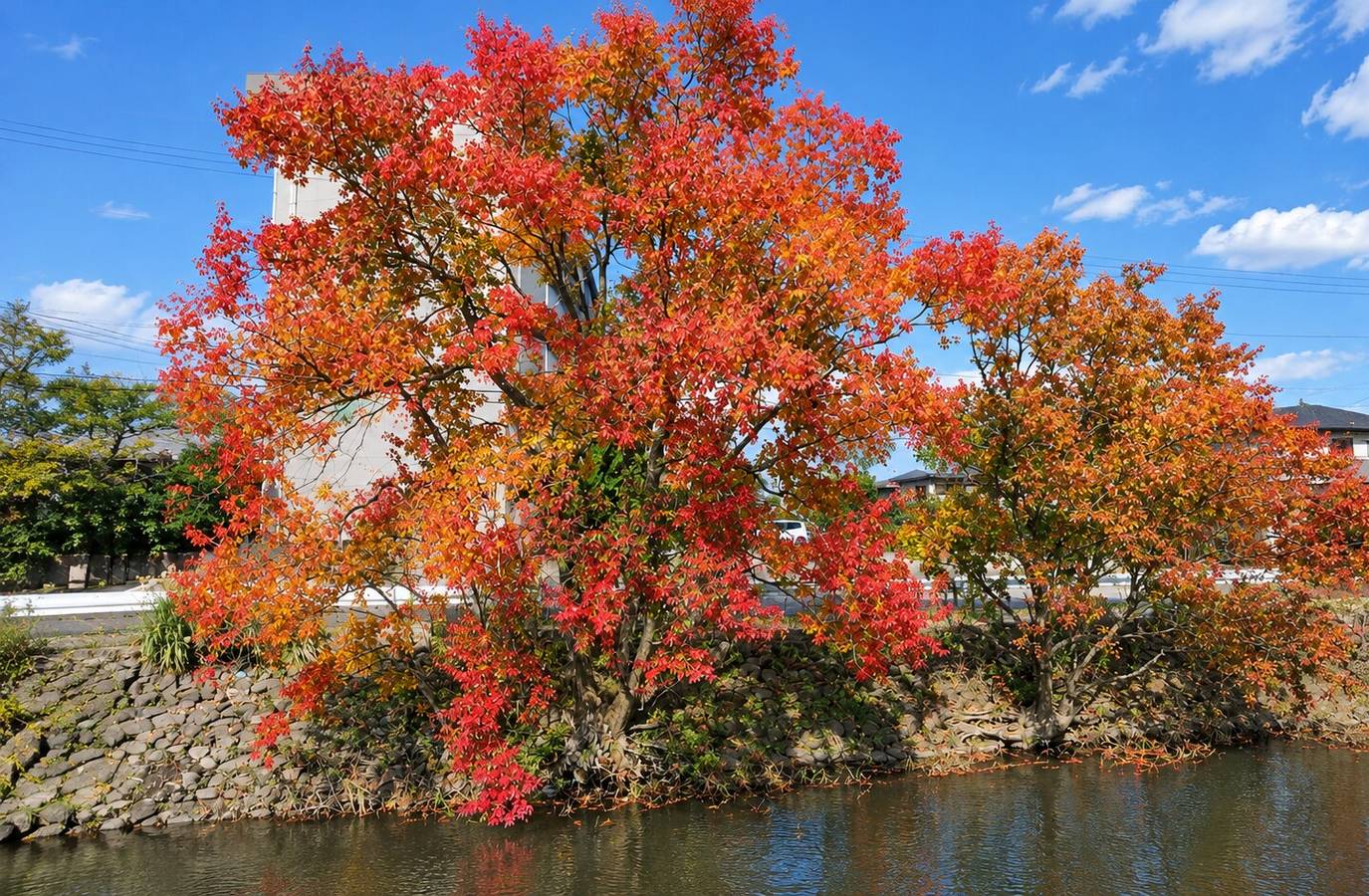
Many gardeners have planted something that has grown a lot faster than they expected. Take the Chinese tallow tree, which has heart-shaped leaves, bright fall foliage, and white seeds that resemble popcorn. People once thought its oily seeds might power a soap industry. The tree infests more than 234,000 acres in southeast Texas, according to Texas A&M AgriLife Extension’s Brush Busters guide. The guide is meant to help landowners remove it. But how did a promising crop become one of the toughest weeds in the region?From Asia to the Gulf CoastThe tree is native to eastern Asia, where it has been used for centuries. A 2021 review published in Southeastern Naturalist states that every part of the tree is used for something in China, from food and medicine to carvings and furniture. The authors note that the tree is believed to have been introduced to the United States in 1776 by Benjamin Franklin. The tree produces oily seeds that are covered by a white, fatty material called tallow. The review says that in the early 1900s, the USDA encouraged the planting of the tree in the Gulf states, including Texas, in hopes of developing a soap industry. Why it spreads so fastThe Texas A&M guide explains that the tallow tree is easy to establish, grows fast, and produces huge quantities of seed. The tree also starts producing seeds only three years after sprouting, and a single tree can produce up to 100,000 seeds, the review notes. The seeds are carried far from the parent tree by water and birds. Even cutting down the tree will not help in solving the problem, as it will regrow from the buds growing on its crown and roots. The review also mentions fieldwork on the Texas coastal prairie showing that the canopy closed in 20 to 25 years. Another study it cites had the tree moving north through East Texas at just under 2 kilometers per year.The cost to people and nature Thick stands of tallow shade the plants growing beneath them. The review’s authors consider the species one of the worst woody invaders, and it can take over both disturbed and untouched land. Its fallen leaves can also affect the breeding success of some frogs and toads that reproduce in winter. People also feel the impact. The Texas guide lists trouble in rice canals, irrigation systems, ditches, pastures, and fence lines. Looking ahead, one model cited in the review predicted costs of $200 million to $400 million for the forest industry over 20 years of spread depending on how well the tree is controlled.Can it be stopped?Control is possible, but it takes patience. The seeds are relatively long-lived, so landowners need to keep looking for new seedlings because removal is never a one-time job, the Texas guide says. Its herbicide methods were developed and tested by AgriLife professionals and should kill more than seven out of every 10 treated plants, but results can vary. An expert advisory group has recommended releasing two biological control candidates, a flea beetle and a moth, the review notes, but neither had been released at the time of writing. Some beekeepers object, as the tree provides a rich nectar flow in the spring for bees. The tallow story reminds us how a handy plant in one place can become an expensive problem in another.