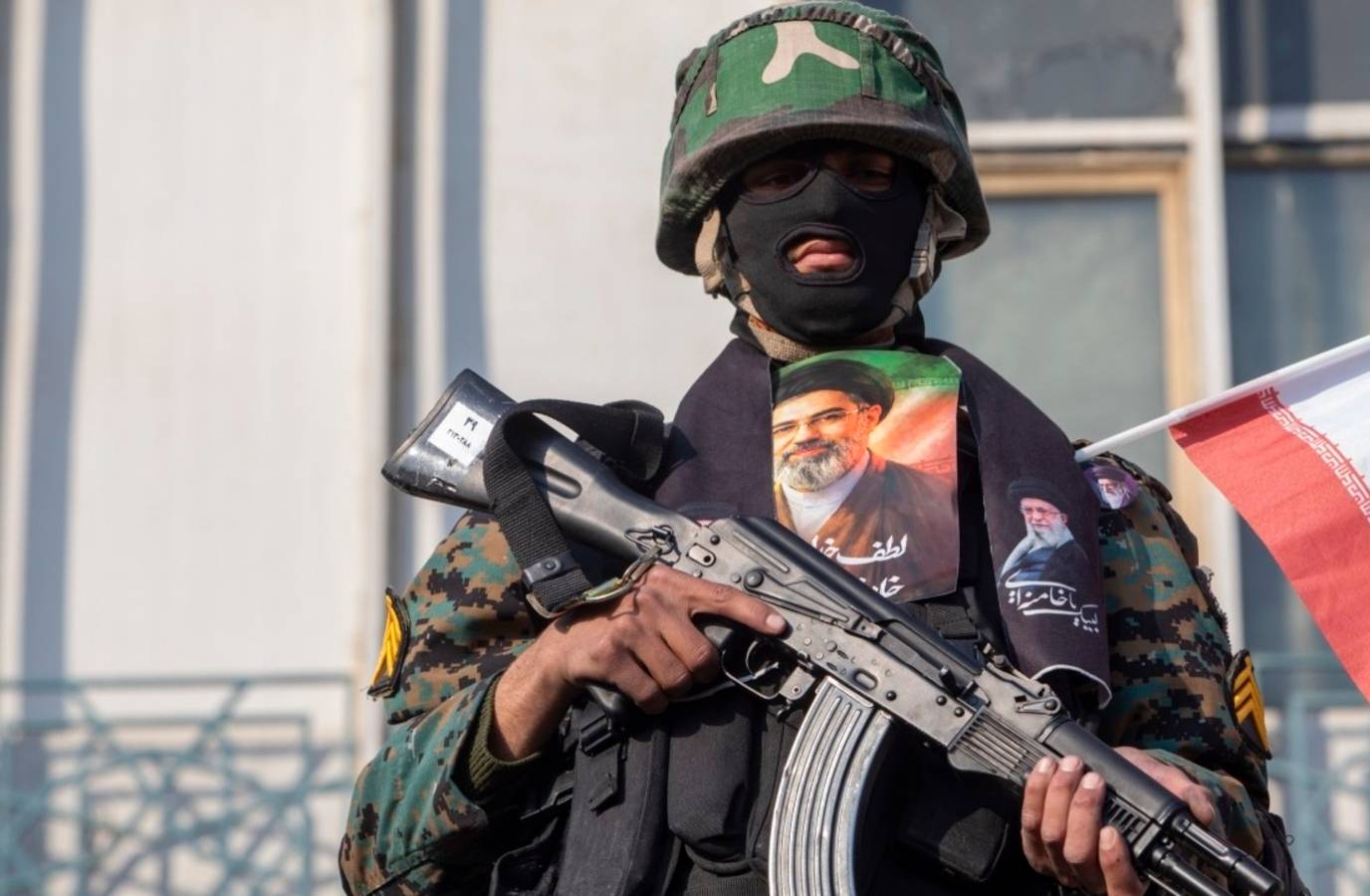
The war with the U.S. and Israel has led to a shift in Iran's leadership, with hard-liners now dominating the country's political and military landscape.
Mojtaba Khamenei, the newly selected supreme leader, has been chosen by clerics after surviving an airstrike that killed his father and several other members of his family.
Khamenei has a history of promoting hard-line officials and shaping Iran's political orientation, and his inner circle has been instrumental in the country's shift towards a more conservative path.
The new leadership has been characterized by a hard-line approach, with appointments such as Mohammad Bagher Zolghadr, a former Revolutionary Guard commander with a violent background, and Ahmad Vahidi, accused of participating in the 1994 bombing of a Jewish community center in Buenos Aires.
The regime's apocalyptic ideology, known as Mahdism, has also become more prominent, with the view that building a genuine Islamic society and destroying Iran's enemies will hasten the return of Imam Mahdi, a figure Shia Muslims believe will bring peace and justice to the world.
Experts warn that the new leadership's ideology is guided by principles that could lead to irrational actions, such as the expansion of the conflict to the Gulf states.
The Iranian regime's behavior has been shaped by its apocalyptic ideology, with the country's leaders believing that they are on a mission to bring about the return of Imam Mahdi.