US and Israeli military actions against Iran's nuclear infrastructure in 2025 and 2026 have set back, but not dismantled, Tehran's nuclear programme.
Experts and intelligence assessments suggest that while infrastructure has been damaged, core capabilities remain intact.
The first major wave came in June 2025, when Israel launched strikes on key nuclear and military facilities.
This was followed by US action targeting additional infrastructure linked to enrichment and weaponisation pathways.
According to a July 2025 analysis by the International Institute for Strategic Studies, the initial strikes "significantly disrupted" Iran's nuclear programme but did not destroy key facilities.
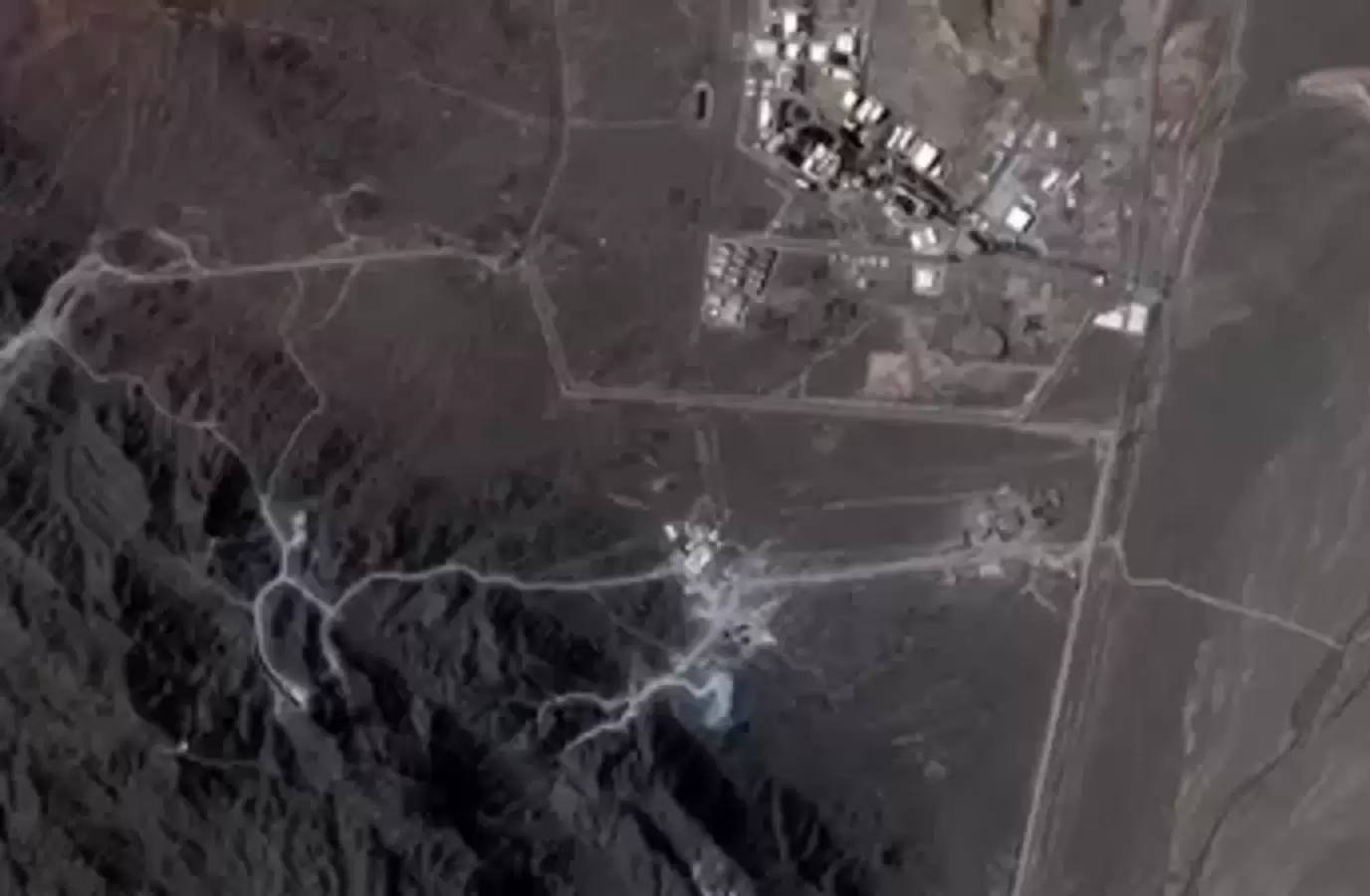
Sites tied to uranium enrichment and conversion, including Natanz and Isfahan, were hit, though underground sections likely survived.
Subsequent strikes in 2026 appear to have added to the damage, but analysts say they have not fundamentally altered Iran's ability to rebuild its programme.
A major unresolved issue is the status of Iran's enriched uranium.
Before the 2025 strikes, Tehran had accumulated around 400 kg of uranium enriched to 60%, close to weapons-grade.
The IISS reported that inspectors lost visibility of this stockpile during the conflict, with indications it may have been relocated.
If preserved, this material remains a key factor in determining how quickly Iran could move toward weapons capability.
A shift toward hardened, hidden facilities has been observed.
A February 2026 assessment by the Alma Research and Education Center indicates Iran is adapting its approach by fortifying and concealing its nuclear assets.
This includes sealing tunnel entrances at Isfahan, accelerating development of deep-underground facilities near Natanz, and relocating sensitive equipment such as centrifuges to sites designed to withstand future strikes.
Rebuilding efforts are already underway.
The Alma report points to ongoing engineering work, debris clearance, and attempts to restore damaged infrastructure while protecting surviving components.
Analysts say that while sanctions, economic strain and supply chain disruptions may slow progress, Iran retains the technical expertise needed to gradually rebuild.
Internal debate over building a bomb has also been observed.
A March 2026 report by Reuters says hardliners are increasingly calling for the country to pursue a nuclear weapon and reconsider its commitments under the Non-Proliferation Treaty (NPT).
Figures such as Mohammad Javad Larijani have advocated suspending NPT membership, while public discourse has shifted toward openly debating weaponisation.
The report adds that the death of Supreme Leader Ali Khamenei and the ongoing conflict have strengthened hawkish voices within the establishment.
Taken together, assessments suggest Iran's nuclear programme has been delayed, but not erased.
Its enriched uranium stockpile, scientific know-how, and parts of its infrastructure appear to have survived, as reconstruction continues.