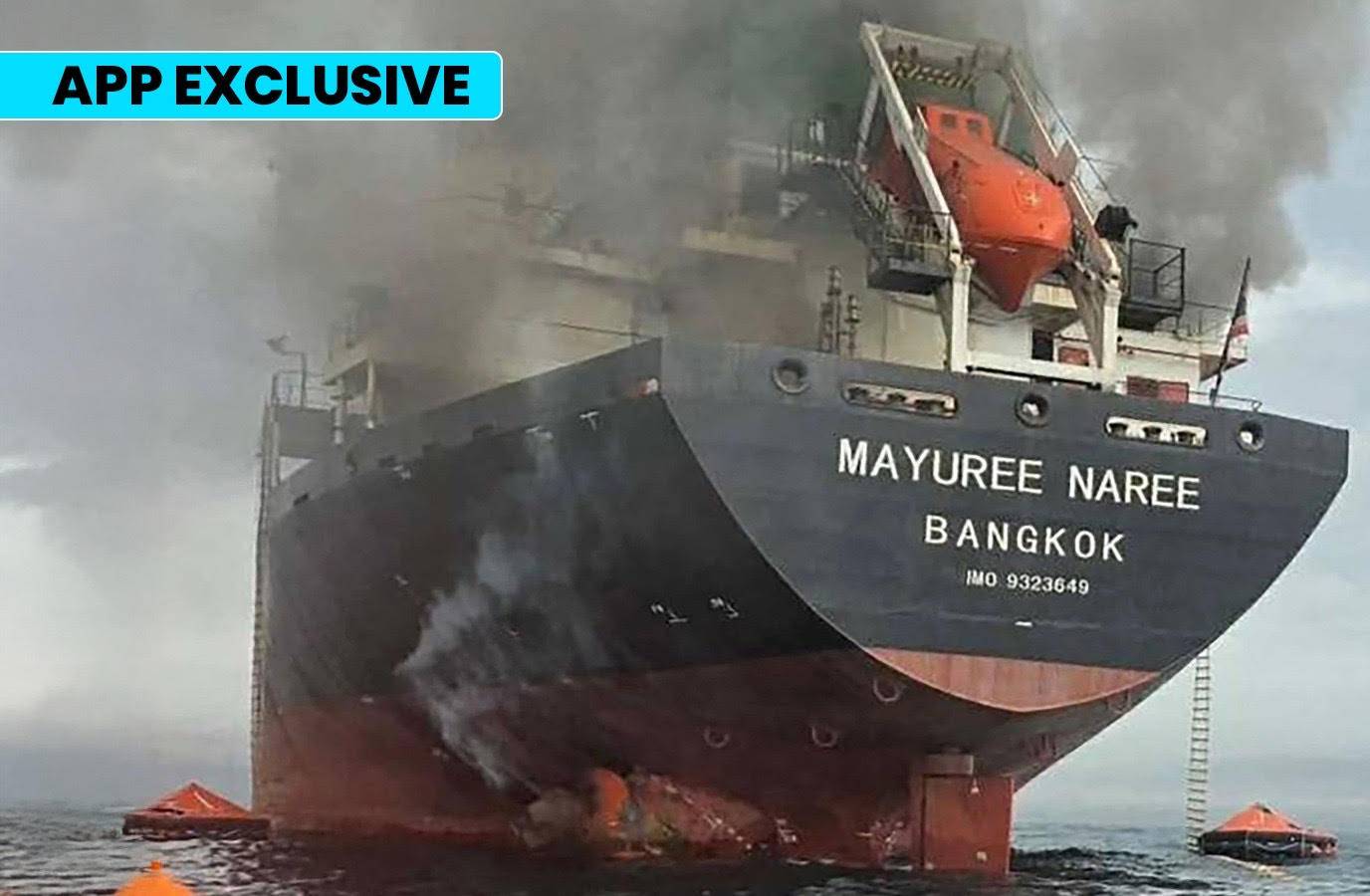
The US–Iran war appears to be intensifying, with Tehran deploying sea mines in the Strait of Hormuz, a crucial maritime route used by oil-carrying vessels.
About 20% of globally traded oil passes through the narrow waterway each day, with nearly 15 million barrels per day of crude and another 4.5 million barrels per day of refined fuels at risk if shipping is disrupted.
Oil prices have surged globally, rising more than 9% to cross the $100-per-barrel mark, according to a Reuters report.
Iran had used the same sea mine tactics during the conflict with Iraq in the 1980s, laying them in the Persian Gulf and Strait of Hormuz.
US President Donald Trump said forces have struck 28 Iranian mine-laying vessels, while also warning Iran to remove other vessels or face 'consequences'.
Iran is estimated to have around 5,000–6,000 naval mines, including 'drifting mines that are extremely difficult to intercept.'
Moored mines, drifting mines, limpet mines, and bottom mines are the different kinds of sea mines, and they cause damage through explosions and shock waves.
Iran could use speedboats to attach limpet mines to the hulls of ships, which are then set to explode after a timed delay.