
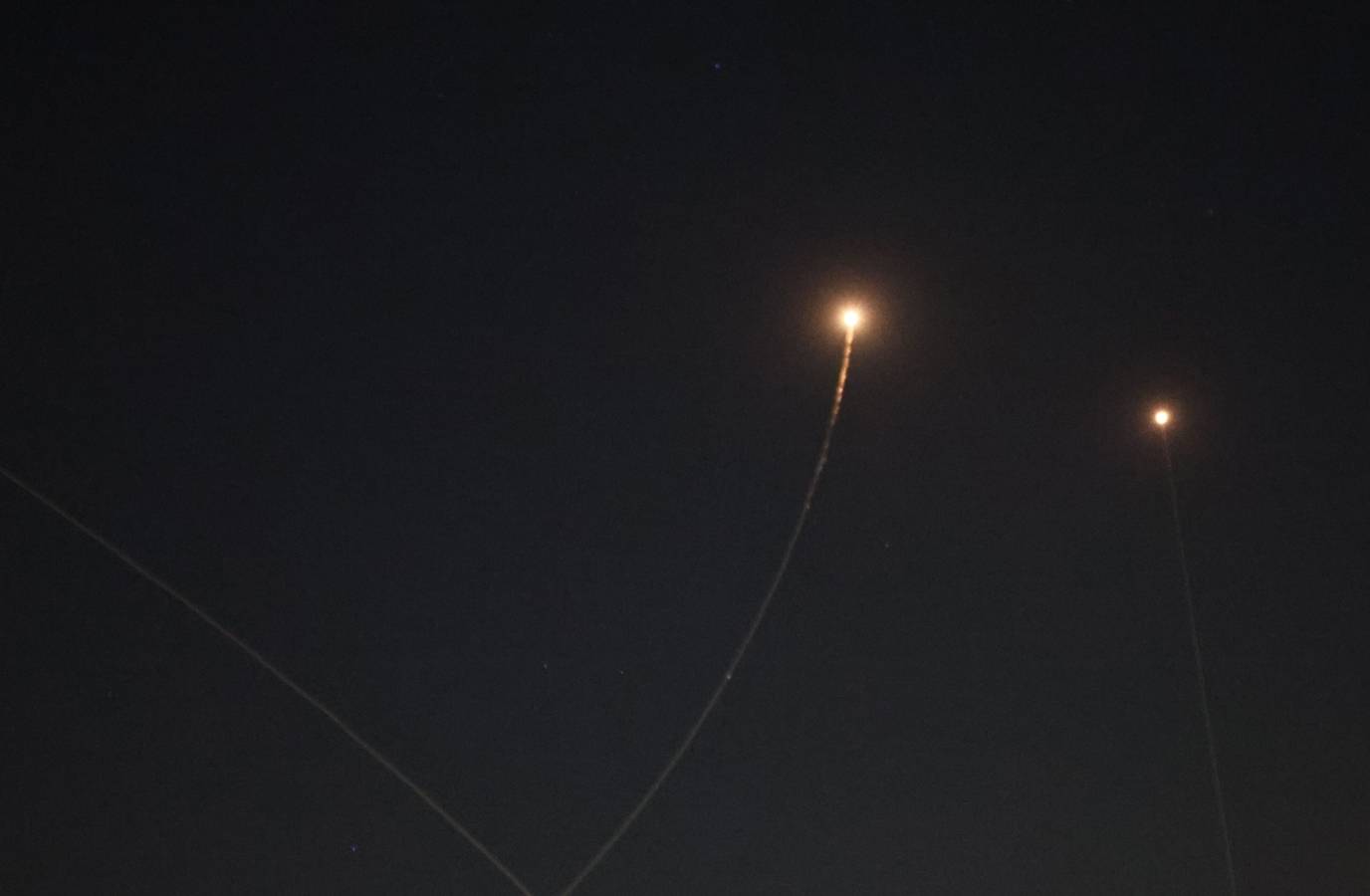
Iran's ability to produce Shahed-136 cruise missiles has been reduced by US and Israeli air strikes, but stockpiles remain and making more requires no complex components.
More than 2,100 Shaheds have been fired so far, damaging oil infrastructure, shutting airports and destroying valuable military hardware.
The US and Israel have made hitting production facilities a priority, but Iran's ability to produce more is limited due to disruptions in organization and coordination needed for large-scale manufacturing.
Manufacturing can be done at a speedboat repair facility, for example, as the weapons are basically a fiberglass body with a motor, basic guidance, and explosives.
Iran has planned production facilities accordingly, such as by placing them underground, and can keep firing at least 20 Shaheds per attack to effectively strike targets.
Israel has been more effective at downing Shaheds and similar weapons using less-expensive systems than the US and its partners around the Gulf.
Ballistic missiles are much more complex than Shaheds and require advanced manufacturing and materials, so their production rate is probably close to zero right now.