Prices in the United States grew at a 'moderate to strong pace' in recent weeks, largely driven by surging energy costs caused by the Iran war, the Federal Reserve said Wednesday.
Districts noted that energy-related costs tied to the conflict in the Middle East were the primary driver of inflationary pressures, with spillovers into shipping, packaging, groceries, and fertilizer.
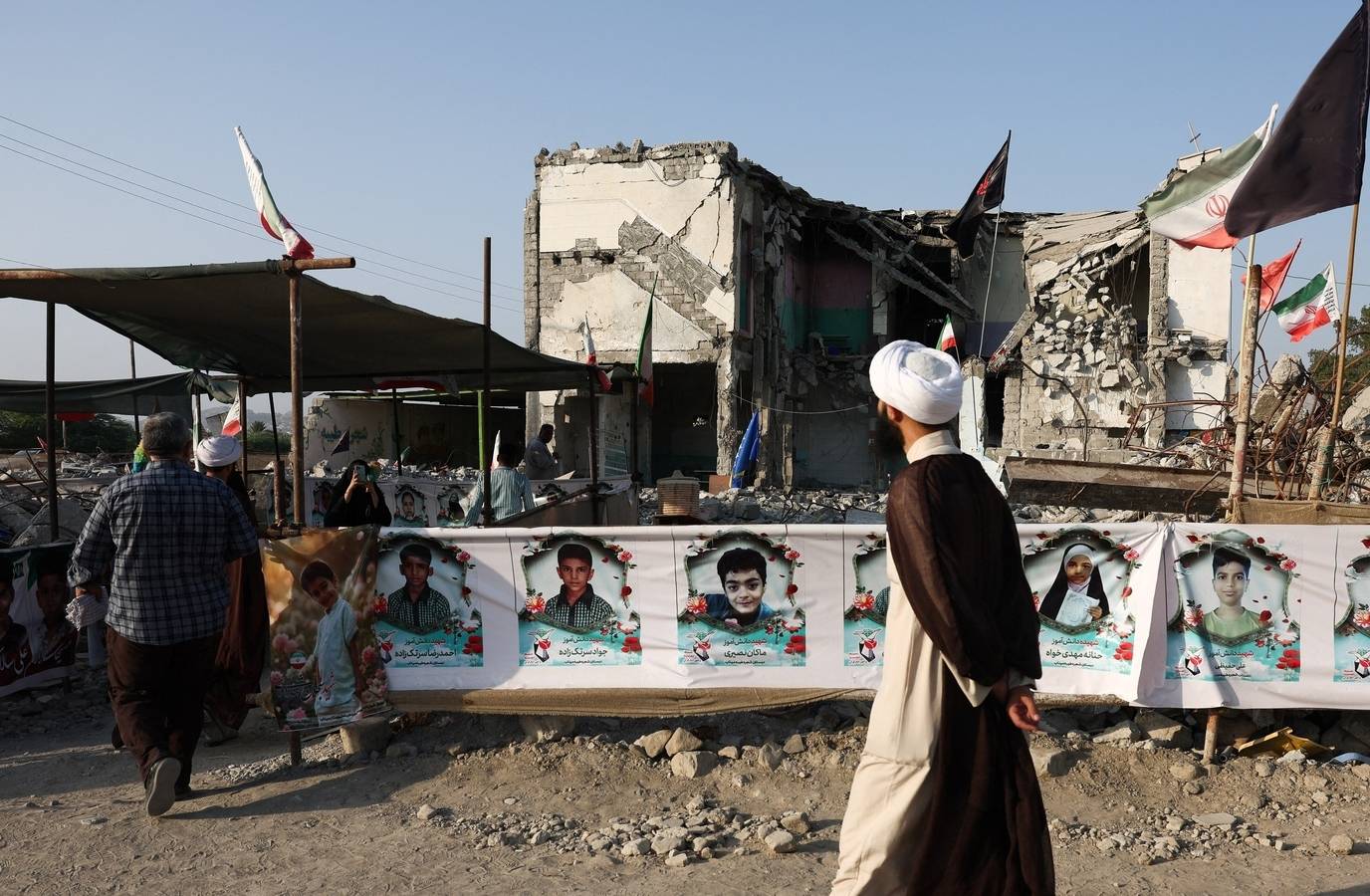
The US and Israel launched the war on Iran on February 28, plunging the region into turmoil as Tehran's retaliatory attacks hit Washington's regional allies and virtually blocked the Strait of Hormuz.
The blockade of the vital waterway has seen energy prices skyrocket and significantly disrupted supply chains.
The Fed's beige book presents a national summary of information gathered by each of the US central bank's 12 districts through interviews with key business contacts, economists, and other sources.
The Fed's preferred inflation measure rose in April by its highest year-on-year rate since 2023, government data showed last month.
Business owners suggested prices had not risen at a commensurate pace with non-labor inputs, suggesting companies were suppressing profit margins in order to maintain revenues.
Higher-income households continued to display resilient demand, in line with what economists have dubbed a 'K-shaped economy,' where harsher economic conditions see richer families maintain or increase spending while hitting vulnerable households harder.
Middle-income households were described as 'squeezing more life out of every dollar before deciding to spend it,' and low-income consumers showed greater financial strain.
There was an overall increased usage of credit cards, fewer retail visits, and stronger demand for necessities.
Overall economic activity increased at a slight to moderate pace in 10 of the 12 Federal Reserve districts, while one reported a slight decline and another no change.
Employment activity showed little change across 11 districts, with one reporting modest growth.
Manufacturing hiring was the strongest sector in several Districts, supported by defense-related activity and rising data center demand.
Most Districts described a low-hire, low-fire environment, with workers increasingly reluctant to change jobs because of economic uncertainty.