The Iran war may be about to escalate as the Strait of Hormuz, a vital passageway for the world's energy supply, remains closed. With at least 2,400 people killed, including over 1,300 civilians, since the start of the war, America and Israel continue to bomb hundreds of targets across Iran.
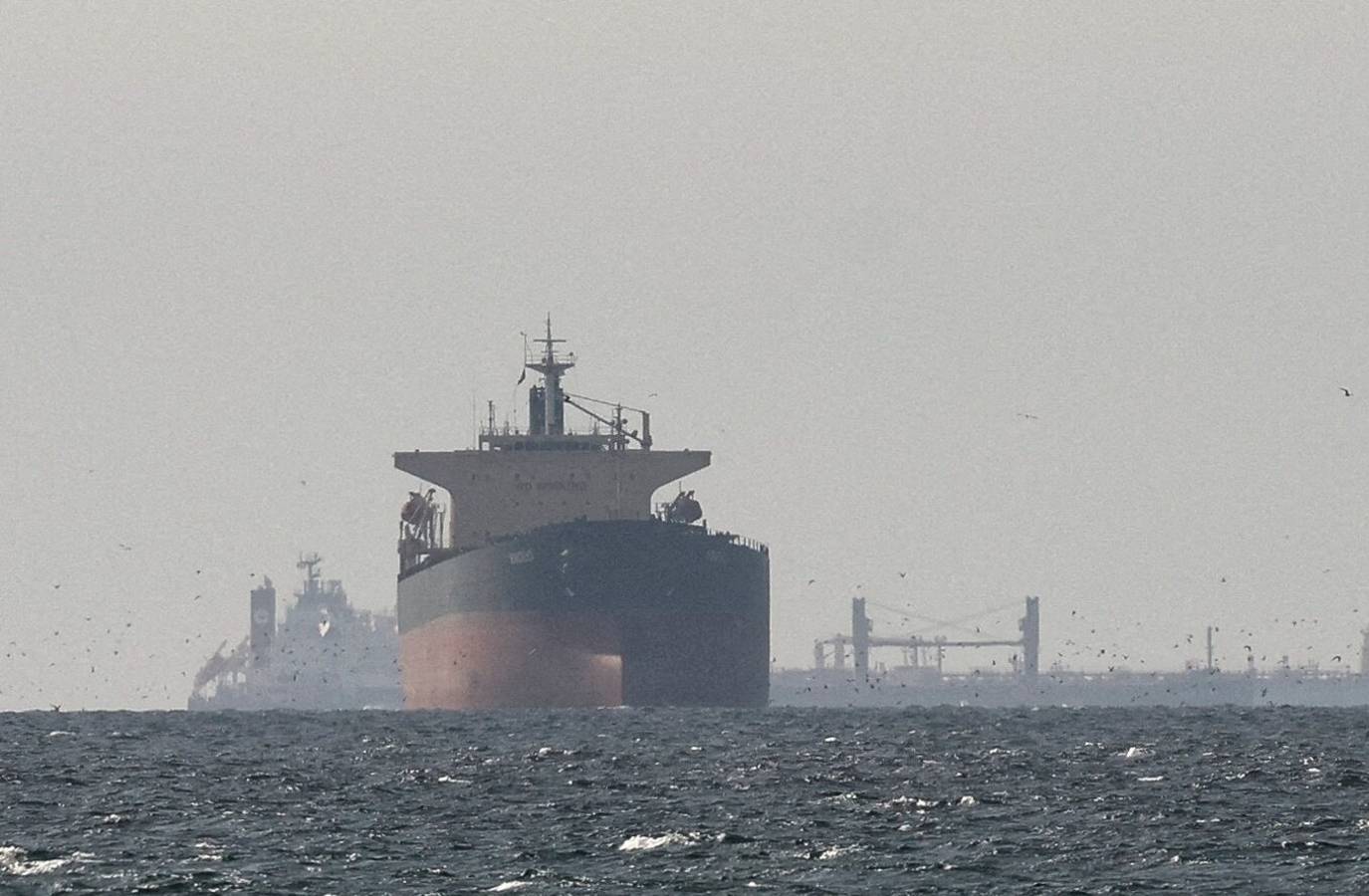
The Strait of Hormuz has become the focus of the war, with Iran imposing a de facto closure by threatening commercial ships and attacking a few of them. This has blocked roughly 15% of the world's oil supply, as well as exports of liquefied natural gas (LNG) from Qatar.
The Trump administration is scrambling for a response, with President Trump pledging to reopen the strait. However, Iran's new supreme leader, Mojtaba Khamenei, has vowed to keep it shut.
The battle for Hormuz may push both sides towards risky escalation, with the strait's geography and the low risk tolerance of shippers and insurers favoring Iran. Meanwhile, the closure of the strait has sent oil prices above $100 a barrel, with Asian governments cutting back on air-conditioning and switching to four-day work-weeks for civil servants.
America may escalate elsewhere, with President Trump having a fixation on Kharg Island, a rocky wedge of land in the Persian Gulf that is home to Iran's main oil-export terminal. He may hope to seize it, but what would happen next is less clear.
The closure of the strait has already sent oil prices above $100 a barrel, with Asian governments cutting back on air-conditioning and switching to four-day work-weeks for civil servants. Disruptions are starting to ripple through the non-oil economy as well, with prices of helium and urea doubling since the war began.