Jack Nicholson was reported to be the mystery donor behind a 60-acre gift; the land helped preserve a wildland link between two major parks | Hindustan Times
In 1994, about 60 acres in Coldwater Canyon were donated to a state conservancy. Jack Nicholson was reported as the donor; the land helped link two parks.
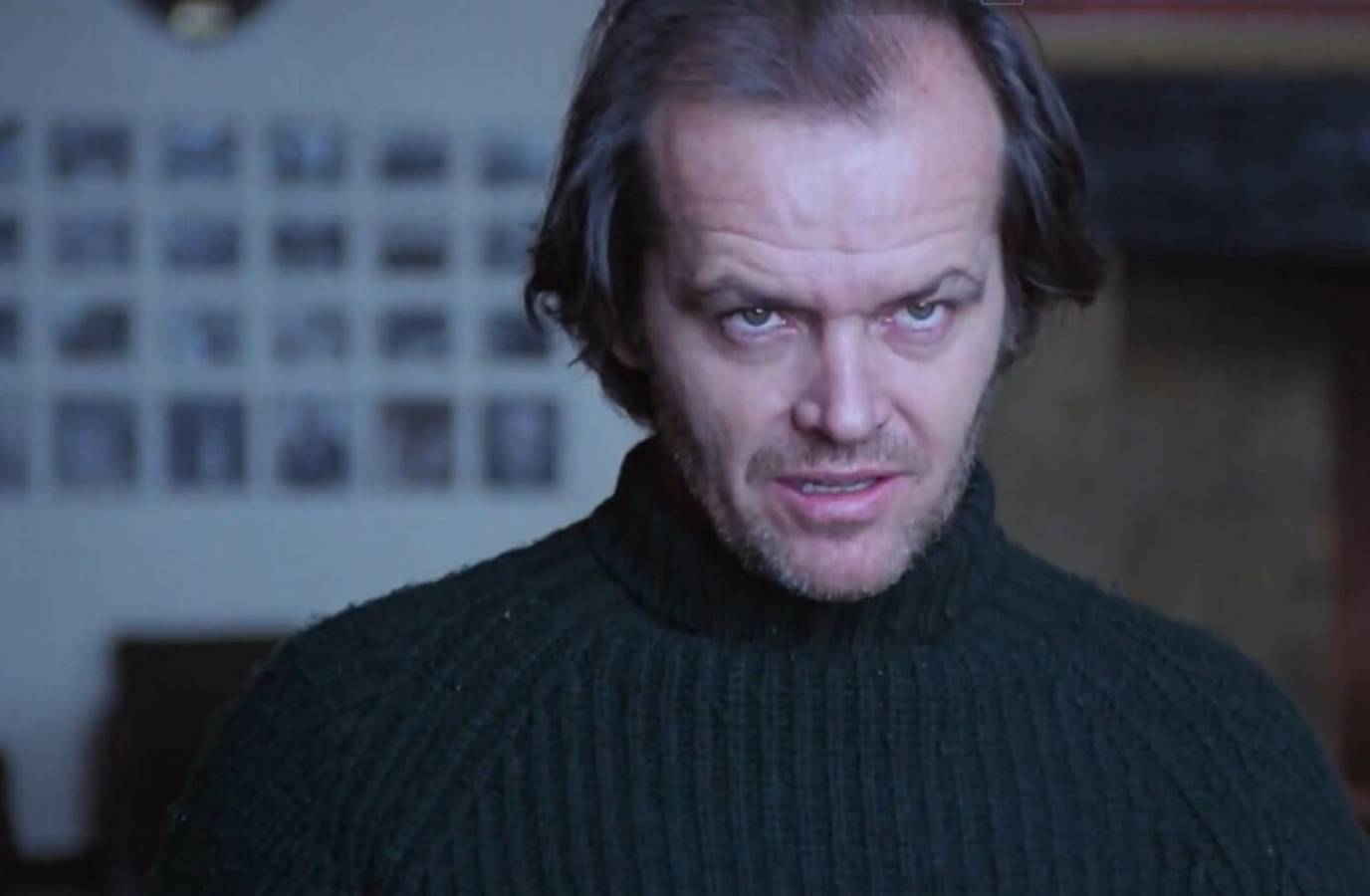
Jack Nicholson might run around with an axe on screen, but in real life he has been quietly working to help protect wildlife. In 1994, someone donated about 60 acres of wild land in Coldwater Canyon to the Santa Monica Mountains Conservancy, reports the Los Angeles Times. At first, the gift was anonymous, but Jack Nicholson was later reported to be the mystery donor. The Conservancy is a California state agency that protects open space around Los Angeles. The land was described as part of a wildland link between two major parks. More than 30 years later, the story still raises an important question: why is a patch of open land so important to wildlife?How the donor came to lightThe land, said to be near Franklin Canyon, was native oak woodland and deer habitat. A later report named Nicholson as the donor. Turnley Walker, chairman of the Longridge-Alomar Neighborhood Committee, was reported to be the person who broke the news. John A. Diaz, land-acquisition chief of the Conservancy, confirmed the donation. Because his manager declined to comment, it is safest to say Nicholson was reported to be the donor.Why the land was so valuableThe land was more than unused space. The same reports said the city had already approved a subdivision of the property into four luxury home sites. The owner could have sold it on the open market for a substantial sum. Instead, the land was given to the Conservancy. The Conservancy also had been buying other parcels of land elsewhere in the area to keep protected land linked across the Santa Monica Mountains, from Griffith Park in the east toward Topanga State Park in the west. This gift was one piece of that larger effort. That mattered because wildlife habitat works best when it is connected. Why connected land is importantWild places are most effective when animals can travel between them. A 2014 study in Current Biology found that mountain lions of the Santa Monica Mountains were isolated from other mountain lion groups because of roads and developments in the area. The study found very low genetic diversity and close inbreeding. The researchers documented a few cases in which lions killed other lions, including their own mates and offspring, and in some cases fed on them. Researchers believe this would be less likely if the animals were able to move more freely. According to Seth Riley of the National Park Service, many of these phenomena, including very low genetic diversity and close inbreeding, had previously been seen only in Florida panthers, which are completely isolated and endangered. He said improved connectivity is also key to the long-term survival of mountain lions and other wildlife in the region.What this gift can and cannot showIt’s important to be clear about what one gift can show. The above study did not measure this 60-acre parcel and does not say that the donation solved any problem. But it does explain why land that links protected areas can be more important than its size would suggest. Open land between parks provides a corridor for animals to follow, and can prevent new homes and roads from cutting that corridor off. At the time, reports said the city had approved four home sites on the property, which shows how close this habitat tract came to a very different fate.Why quiet giving still stands outThe story teaches a basic lesson to millennials and young adults. Conservation doesn’t always come with a big announcement. Sometimes it begins with an uncredited private decision. In this case, that meant giving up land that could have been sold for a pretty big sum. The same is true wherever cities push against nature. A good way to protect land can be to link it with other protected land, and a single quiet gift can help keep that chain of habitat from being broken.