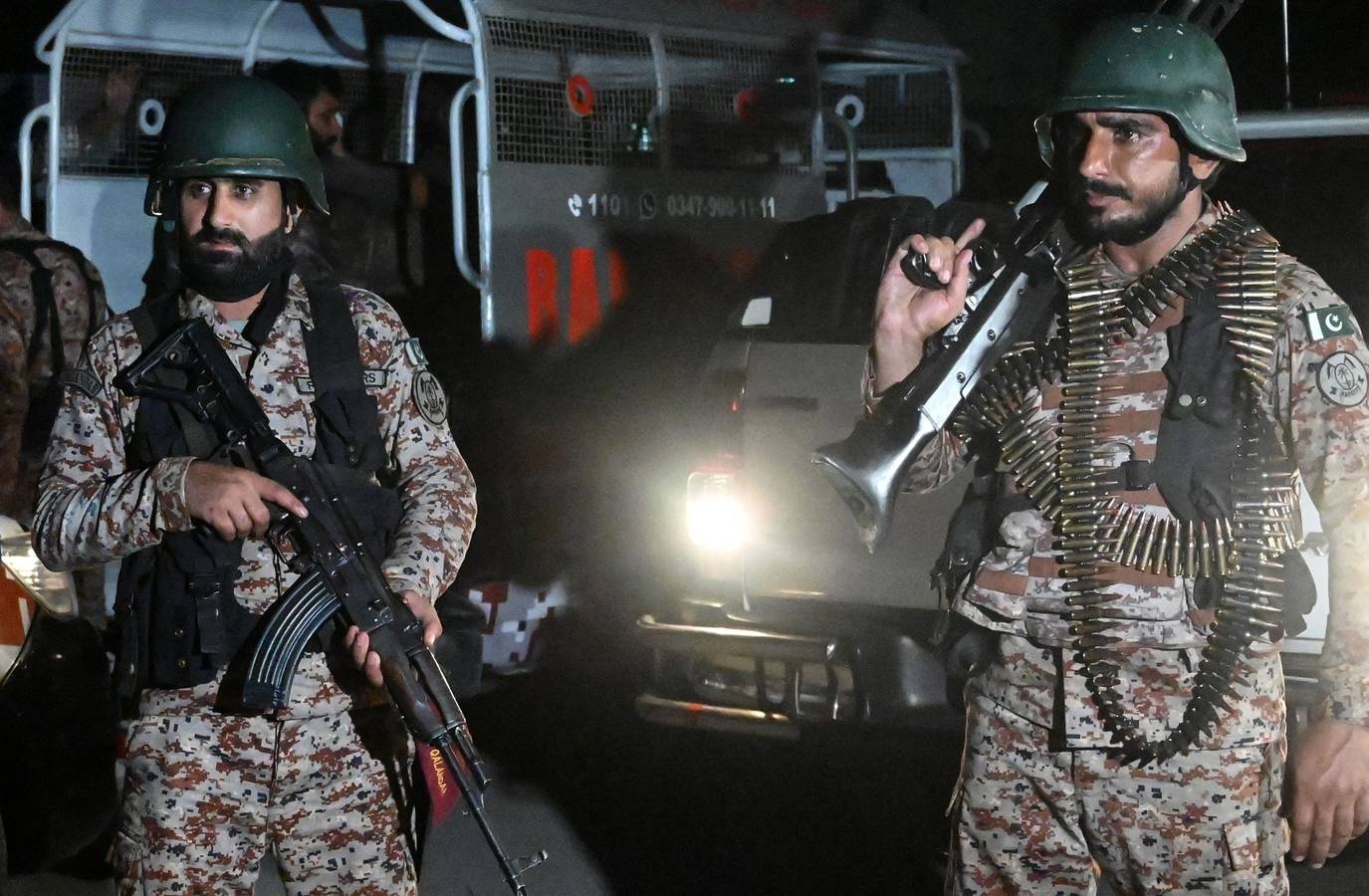
The ceasefire between America and Iran, touted by Donald Trump as a 'golden age' for the Middle East, has been marred by some of the bloodiest days the region has seen since the war began on February 28th.
Negotiators from America and Iran are set to meet in Islamabad to discuss a permanent end to the war, but the first day of the truce was marked by violence in Lebanon, where Israel has been fighting Hizbullah, an Iranian-backed Shia militia.
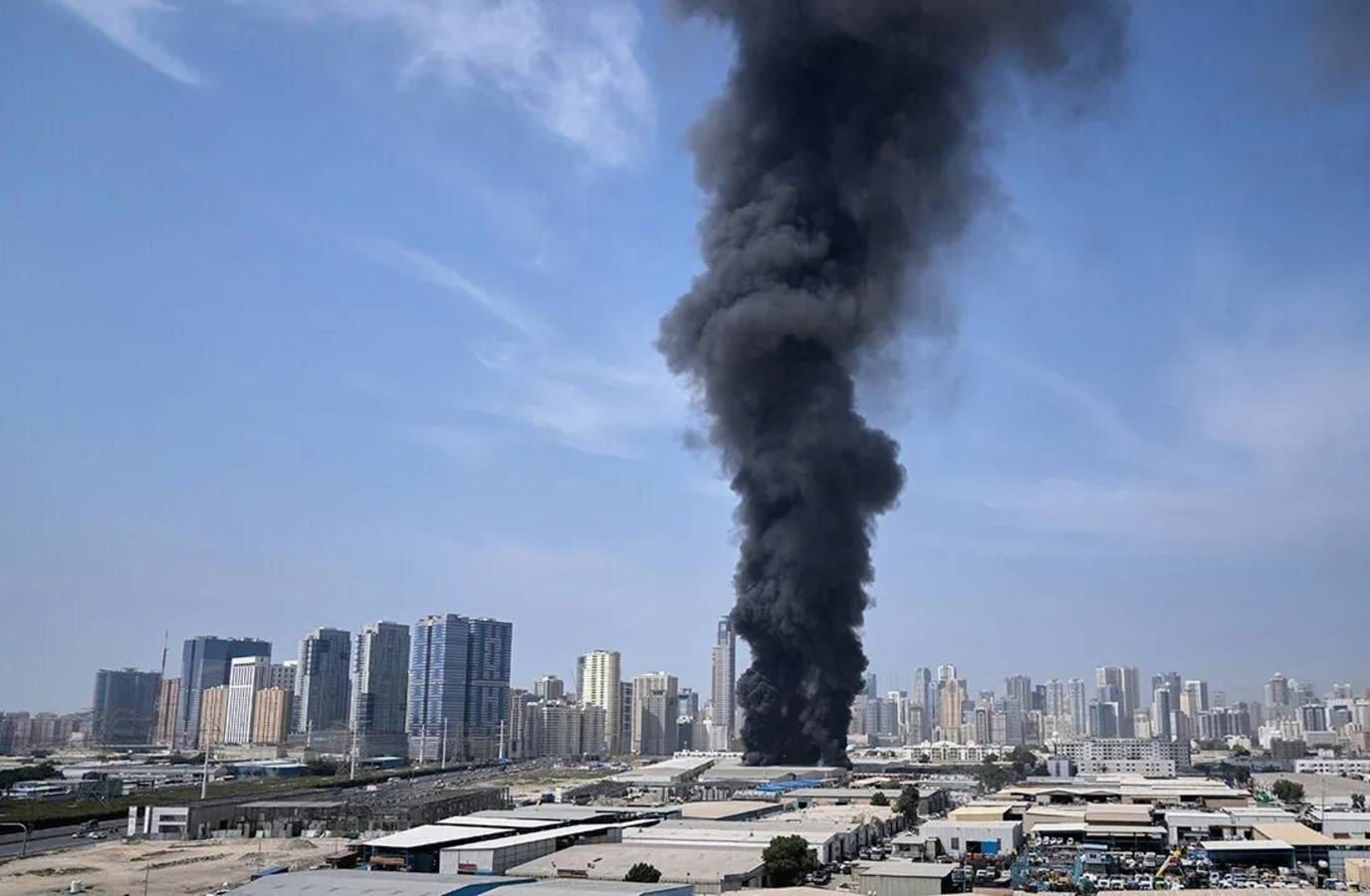
Hundreds of people were killed and injured in the air strikes, and hospitals were overwhelmed. Meanwhile, Iranian missiles and drones continued to rain down across the Gulf, targeting power and water-desalination plants in Kuwait and a vital pipeline in Saudi Arabia.
The war has exposed two frightening vulnerabilities for Gulf states: their reliance on the Strait of Hormuz and their dependence on an increasingly unreliable America.
Gulf officials are discussing alternatives to the strait, including a corridor of railways and pipelines that stretches to Israel, but none offer a quick or reliable solution.
The war has also highlighted the region's complex web of alliances, with Arab states struggling to navigate the competition between America and its great-power rivals.
As the war rages on, the Gulf states are left in a quandary, their assumptions about their safety and security shattered by the conflict.