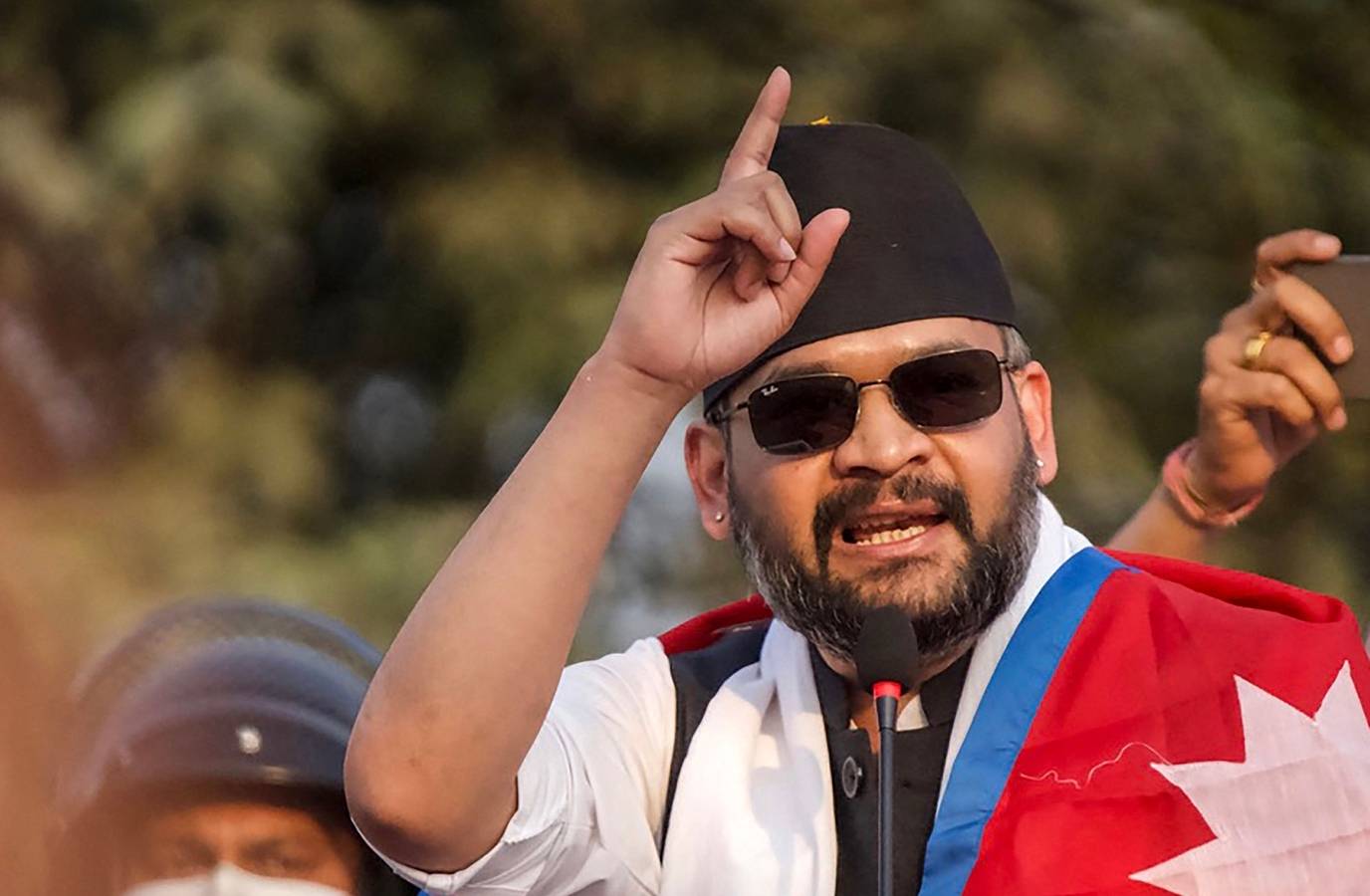
Nepal's parliamentary elections have marked a decisive shift away from the country's entrenched political elite, with rapper-turned-politician Balendra Shah's Rastriya Swatantra Party (RSP) emerging as a dominant force.
Shah's party has won 25 seats and is leading in 93 constituencies, with RSP candidate Balendra Shah securing more than 15,000 votes in his home constituency of Jhapa-5, a stronghold of four-time prime minister and CPN-UML chairman KP Sharma Oli.
The election results signal a significant shift in Nepal's politics, with Shah's party widely seen as Gen Z-backed and his rise closely linked to the wave of youth frustration that fuelled last year's protests.
The protests, which saw thousands of young people take to the streets over corruption, unemployment and restrictions on social media, ultimately toppling the government and leading to the resignation of then-prime minister KP Sharma Oli.
The election, held months after the protests, recorded an estimated 60 percent voter turnout, with officials noting strong participation from young voters.