New six figure H-1B visa fee could cost US Treasury $38 billion over 10 years if applications fall: Study | Hindustan Times
A proposed $103,265 H-1B visa fee could significantly reduce applications, leading to a loss of $32 billion to $38 billion in federal revenue over a decade.
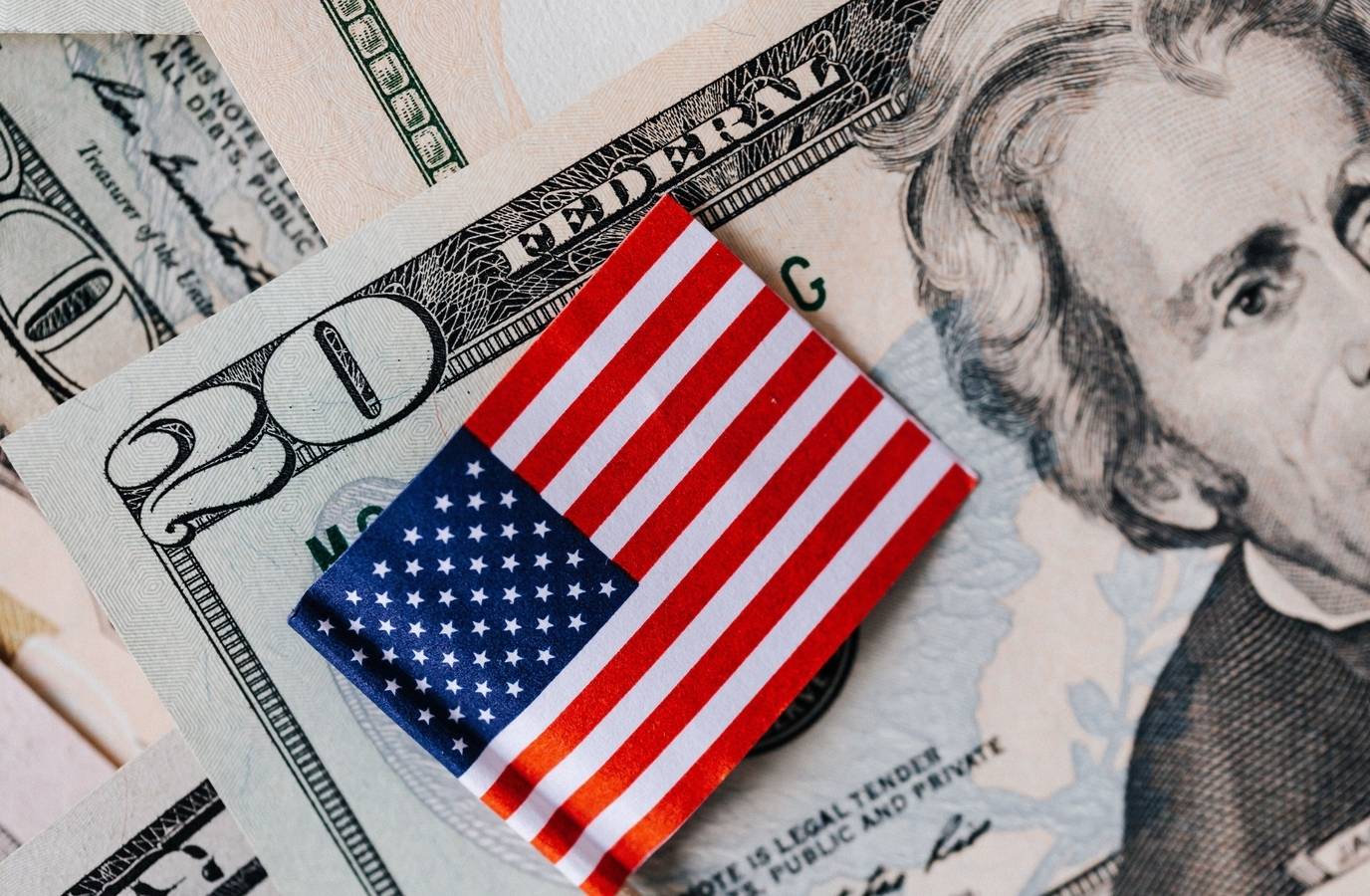
A proposed $103,265 H-1B visa fee could end up costing the US Treasury billions of dollars over the next decade if the steep increase prompts employers to reduce applications, according to a new analysis by the Computer & Communications Industry Association (CCIA) Research Center.The study challenges the Department of Homeland Security's assumption that employers will continue filing about 85,000 cap-subject H-1B petitions each year after the proposed fee is introduced. DHS has estimated that the charge could generate about $8.8 billion in annual revenue.The proposed fee is part of a broader overhaul of the H-1B program under the Trump administration and would apply to cap-subject petitions, including those eligible for the US advanced-degree exemption. It would be charged in addition to other applicable immigration fees or payments.Also read: JD Vance warns corporate America: ‘We’re not going to let’ firms replace US workers with cheaper foreign laborH-1B fee could reduce federal receiptsCCIA modelled four possible employer responses to the proposed fee. Its analysis found that the government would collect more in fee revenue than it loses in related tax receipts only if H-1B filings fall by less than about 25%.If filings decline by around 36% to 38%, the research center estimates that overall federal receipts could be $32 billion to $38 billion lower over 10 years. Under a scenario involving a 75% decline in filings, the reduction could reach $142 billion, according to the study.The analysis considers not only money collected through the proposed fee but also federal tax revenue associated with H-1B workers who would otherwise have been employed in the US.CCIA chief economist Trevor Wagener said DHS should reconsider the proposal because its revenue projections assume that applications would not fall significantly despite the six-figure cost increase.DHS, however, has based its proposal on an annual volume of 85,000 cap-subject H-1B petitions, 65,000 under the regular cap and another 20,000 available through the advanced-degree exemption. At $103,265 per petition, that volume would produce about $8.8 billion in annual revenue.Also read: US visa wait times: Indians face up to 12-month visitor visa delays; check city-wise timelines for all categoriesWhat the $103,265 H-1B fee meansThe DHS proposal, published in the Federal Register on August 25, is not yet a final fee. The agency proposed the charge as a way to recover part of the federal government's costs of administering the lawful immigration system, including work carried out by DHS, the Department of Labor, the Department of State and the Department of Justice.The proposal is separate from the $100,000 payment requirement introduced under a 2025 presidential proclamation for certain H-1B workers outside the US. President Donald Trump extended that restriction on September 18, 2026, for another 12 months. The White House said the restriction will remain in place through September 21, 2027, unless extended again.The White House has said the $100,000 payment and other H-1B changes are intended to address what the administration describes as abuse of the program and protect US workers. The administration said more than 700 petitions had been filed with the $100,000 payment since the policy took effect in 2025.The CCIA study points to the earlier policy as evidence that employer demand can change sharply when the cost of hiring H-1B workers rises. It said registrations among the employers most reliant on hiring workers from abroad fell substantially following the $100,000 requirement.The proposed $103,265 fee remains subject to the federal rulemaking process. Public comments on the proposal were due by September 24, 2026.