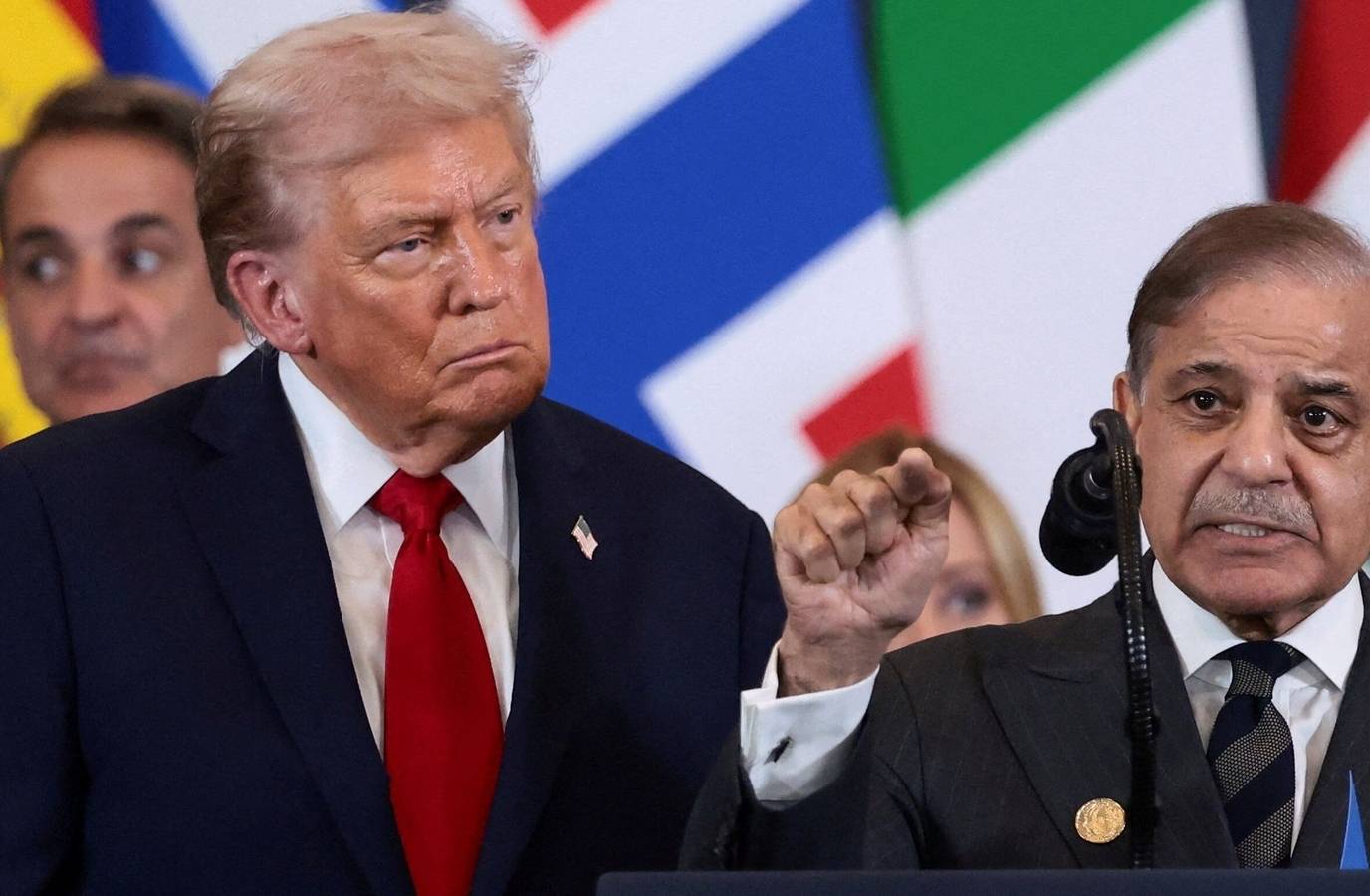
Pakistan's sudden re-emergence as a key diplomatic player in the Iran war did not happen overnight. It was the result of a calculated, multi-layered strategy that blended business deals, strategic engagement and outreach to the inner circle of Donald Trump.
Track Live Updates on US-Iran war here
Here's a breakdown of how Islamabad moved from the margins to the centre of high-stakes negotiations in the US-Israel-Iran war.
1. A transactional opening: Real estate and deal-making diplomacy
According to a New York Times report, the turning point came through an unlikely channel - real estate.
At a “Board of Peace” meeting in Washington, Trump’s envoy Steve Witkoff unveiled a partnership involving the redevelopment of the Roosevelt Hotel in New York, a property owned by Pakistan.
This was not just a commercial agreement. It signalled alignment with the Trump administration's transactional style of diplomacy - where economic deals often precede political cooperation.
The deal positioned Pakistan as a willing economic partner
It created direct engagement with key Trump allies
It offered Islamabad renewed visibility in Washington
In short, Pakistan spoke the language the administration preferred: deals first, diplomacy next.
2. Courting Trump's inner circle
Pakistan didn’t stop at one agreement. It launched what the NYT report describes as a broader “charm campaign.”
Key moves included:
Hiring lobbyists linked to Trump’s network
Engaging with business ventures tied to Trump allies
Building ties with figures like Jared Kushner and Witkoff
Even nominating Trump for the Nobel Peace Prize
This approach helped Pakistan bypass traditional bureaucratic channels and directly access decision-makers who shape US foreign policy in the current administration.
3. Aligning with US strategic interests
Pakistan also strengthened its case by aligning with American priorities:
It cooperated on counterterrorism, including arresting a senior Islamic State figure
It secured US investment in a major mining project
It maintained a posture supportive of US geopolitical goals
As one analyst quoted in the NYT report noted, Pakistan’s establishment has historically tried to align closely with US interests - and under Trump, that alignment took a more transactional, deal-driven form.
4. From irrelevance to relevance
Just a year earlier, Pakistan had been largely sidelined in Washington. The US withdrawal from Afghanistan had reduced its strategic importance.
The Trump administration’s return created an opening:
A new foreign policy style that valued personal relationships and deals
New power brokers outside traditional diplomacy
A willingness to re-engage partners who could deliver
Pakistan seized that moment to reset ties.
Also read: On Pakistan's request, Israel removes Iran FM Araghchi, parliament speaker Ghalibaf from hit list
5. Strategic geography meets opportunity
Pakistan’s location proved crucial once the Iran conflict escalated.
It shares a 565-mile border with Iran
Instability in Iran directly affects Pakistan’s internal security and economy
It has channels of communication with Tehran
This made Pakistan a natural intermediary when backchannel communication became necessary.
6. Becoming the messenger
With its improved standing in Washington and geographic relevance, Pakistan stepped into a key role:
It relayed Trump’s 15-point ceasefire plan to Iran
It facilitated indirect exchanges between Washington and Tehran
It offered to host peace talks
Pakistan is now effectively acting as a diplomatic bridge - even as Iran publicly denies direct negotiations with the US.
7. What Pakistan gains
Pakistan’s mediation role is not purely altruistic. It serves multiple interests:
Economic stability: Avoid prolonged disruption from the Iran conflict
Regional influence: Elevate its status as a diplomatic power
Strategic positioning: Counterbalance rivals like India
Global relevance: Reinsert itself into major international negotiations