Russian lab death sparks plague fears: WHO seeks answers as Trump says he'll speak to Putin | World News
A 28-year-old lab technician, identified in Russian media as Darya Shipilova, was hospitalized around September 29 with severe pneumonia and died on October 2. | World News
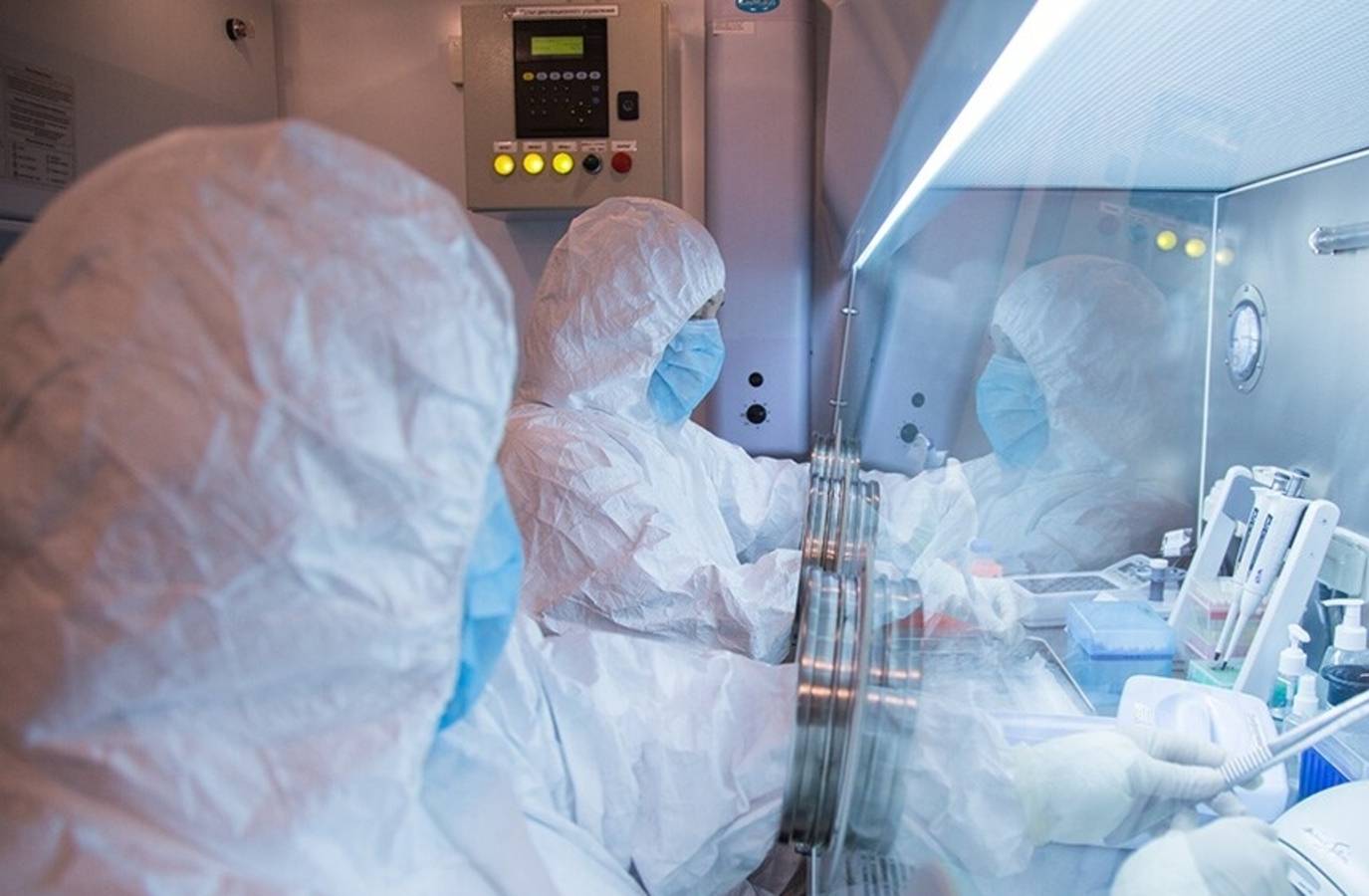
The World Health Organization (WHO) is seeking more information from Russia after a laboratory worker at the Irkutsk Anti-Plague Research Institute died of severe pneumonia on October 2. The death raised concerns about a possible case of pneumonic plague linked to a laboratory exposure. Russian authorities have rejected those reports and said the cause of the illness remains undetermined.What happened?A 28-year-old laboratory technician, identified in Russian media as Darya Shipilova, was hospitalized around September 29 with severe pneumonia and died on October 2.She worked at the Irkutsk Anti-Plague Research Institute of Siberia and the Far East, which studies plague and other high-risk pathogens. Authorities placed dozens of people who may have had contact with the woman under medical observation. Reports have put the number of contacts at between 60 and 200, including institute staff and hospital workers. Some hospitals and wards were temporarily closed as a precaution. Officials later said the epidemiological situation was stable, and many contacts were released after testing.How did the plague reports emerge?Early media and social media reports claimed that the woman's death may have been linked to pneumonic plague following an accidental laboratory exposure.Some reports alleged that a test tube containing Yersinia pestis, the bacterium that causes plague, had broken around September 25.However, those claims have not been confirmed. What did Russia say?Russia's health watchdog, Rospotrebnadzor, and regional officials said the cause of death was "pneumonia of unknown/undetermined etiology."They said tests did not detect microorganisms linked to the woman's professional duties. Officials also said there had been no laboratory accident involving pathogenic microorganisms and no additional cases among institute staff.Authorities described the sanitary and epidemiological situation as stable. Also Read: Unknown pneumonia: What Russia's first remarks say and don't say about Siberia plague fearsWhat did US officials say?US officials said they were monitoring the situation but indicated there was no immediate reason for alarm.Secretary of State Marco Rubio called on Russia to provide more information about the case.President Donald Trump also said the US was watching the situation "very strongly," expressed concern and offered assistance. Speaking to reporters at the White House, Trump said he would be talking with Russian President Vladimir Putin about the case "very soon."Also Read: Russia downplays 'plague' reports, says no evidence of pathogens found as Trump offers helpWhat did WHO say?WHO Director-General Tedros Adhanom Ghebreyesus said the agency had been following the case since the first media reports.In a statement, he said, "In response to WHO’s verification request under the International Health Regulations, the Russian health authorities reported that no case of plague had recently been registered in Irkutsk oblast. They informed WHO that an epidemiological investigation had been conducted, preventive and control measures implemented, and identified contacts placed under medical observation and tested. They reported that no high-threat pathogens had been detected among the contacts and that medical observation of all identified contacts had been completed."He added, "WHO has remained in contact with the Russian health authorities and has offered technical support. WHO has requested further information to clarify the cause of the severe pneumonia, the pathogen that prompted the public health measures, and media reports of a second employee with pneumonia of undetermined cause. Timely, complete and transparent information sharing under the International Health Regulations is essential to clarify conflicting reports and enable an accurate assessment of potential public health risks."