Last year, Donald Trump claimed he had 'obliterated' Iran's nuclear programme. However, the claim was hard to sustain when Iran had managed to hang on to a good portion of its 400kg of highly enriched uranium (HEU), enough for about ten bombs if enriched a little further.
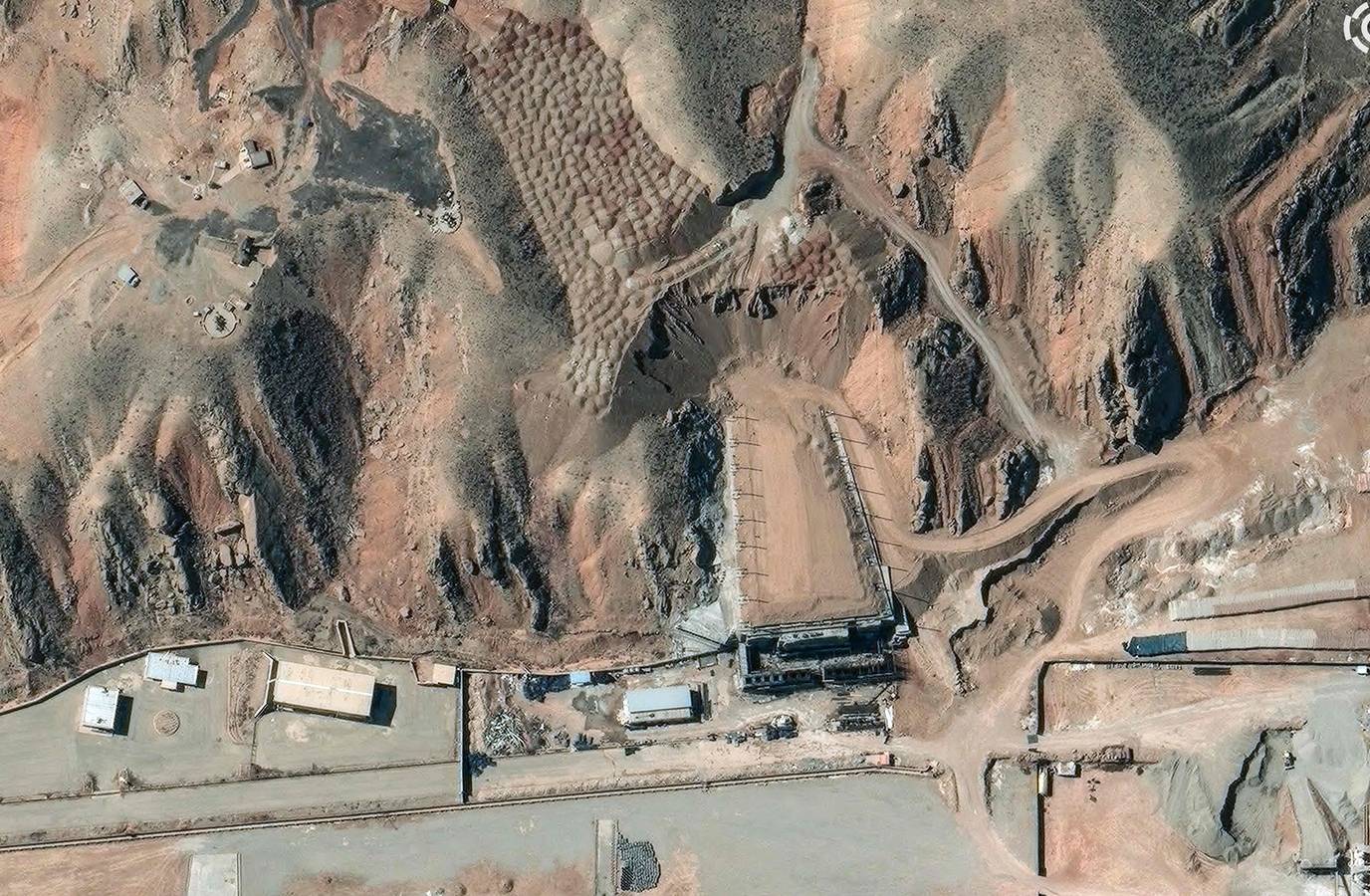
Retrieving the uranium would require an unprecedented military operation deep inside Iran. The first problem is working out where the HEU is. Rafael Grossi, head of the International Atomic Energy Agency, said that it was 'mainly' at Isfahan, in central Iran.
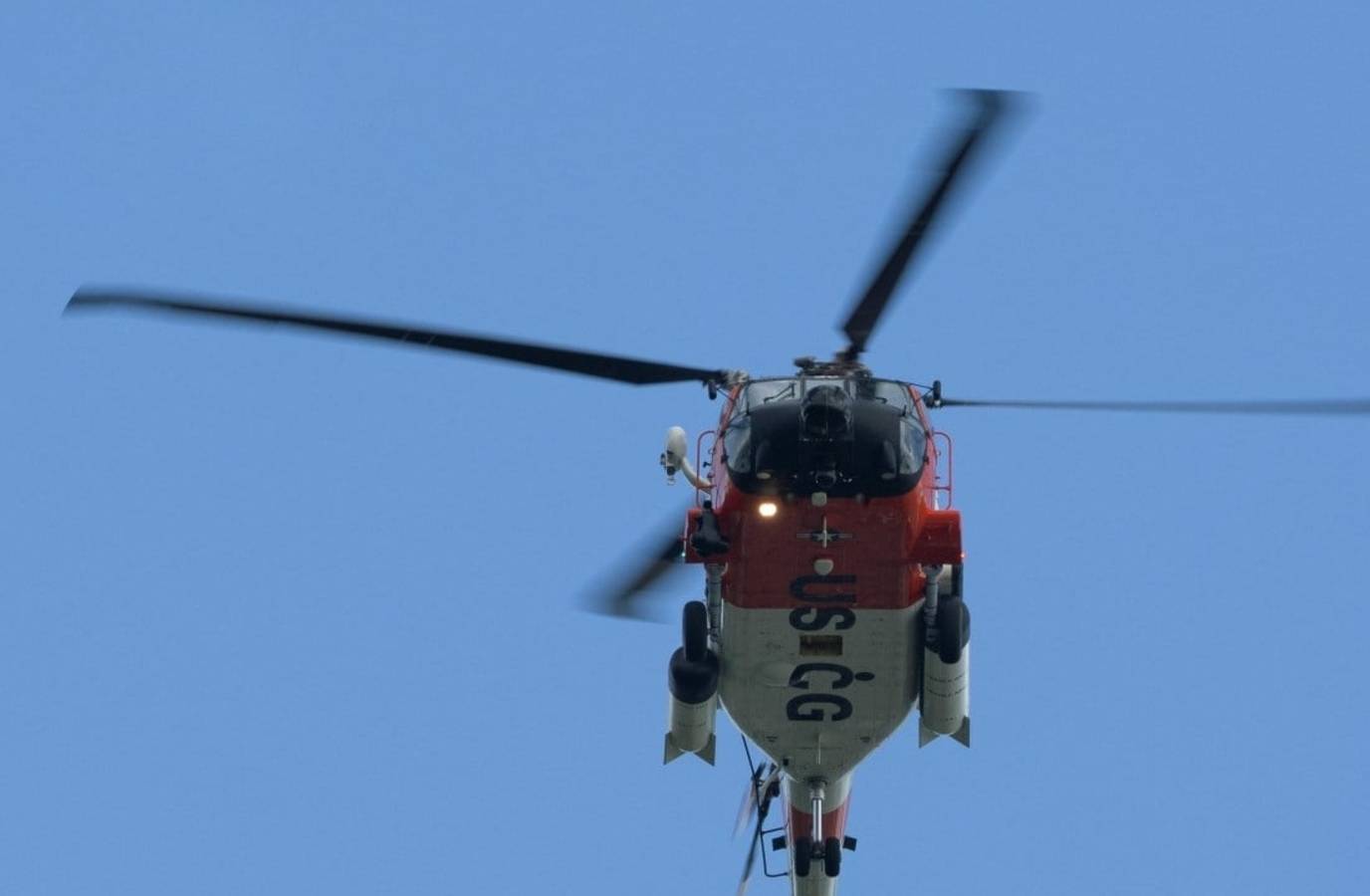
Even if American and Israeli aims were confined to Isfahan, retrieving the uranium would be a huge undertaking. The MH-47G Chinook helicopters used by America's 160th Special Operations Aviation Regiment might reach Isfahan from ships in the Persian Gulf, but they would need refuelling to return.
America would pound Iranian bases in the vicinity of the target, then send airborne forces to seize a nearby airfield or create a makeshift airstrip. Nuclear-handling equipment, diggers to move dirt and rubble from tunnel entrances, and other heavy machinery could then be parachuted in on pallets.
A battalion of troops would need to hold a perimeter around the nuclear complex, with constant air cover to spot and attack any approaching Iranian forces. This would require a huge supply of refuelling tankers to allow enough air power to stay airborne.
Israel's special-forces and combat-engineering corps have more relevant and recent experience in this sort of operation, having worked extensively in the vast networks of tunnels built by Hamas and Hizbullah.
The biggest challenges would be moving, communicating, and surviving underground, as well as handling the HEU. It is probably stored in gaseous form in multiple containers to prevent an accidental chain reaction.
One option would be to blow it up in situ, but this would release toxic hydrogen fluoride. Another option would be to 'downblend' the material, but the equipment for doing that would need to be trucked in.
A Hollywood-style operation would appeal to Mr Trump, who has spoken of the humiliation Americans of his age still feel from the seizure of American hostages in Tehran in 1979.