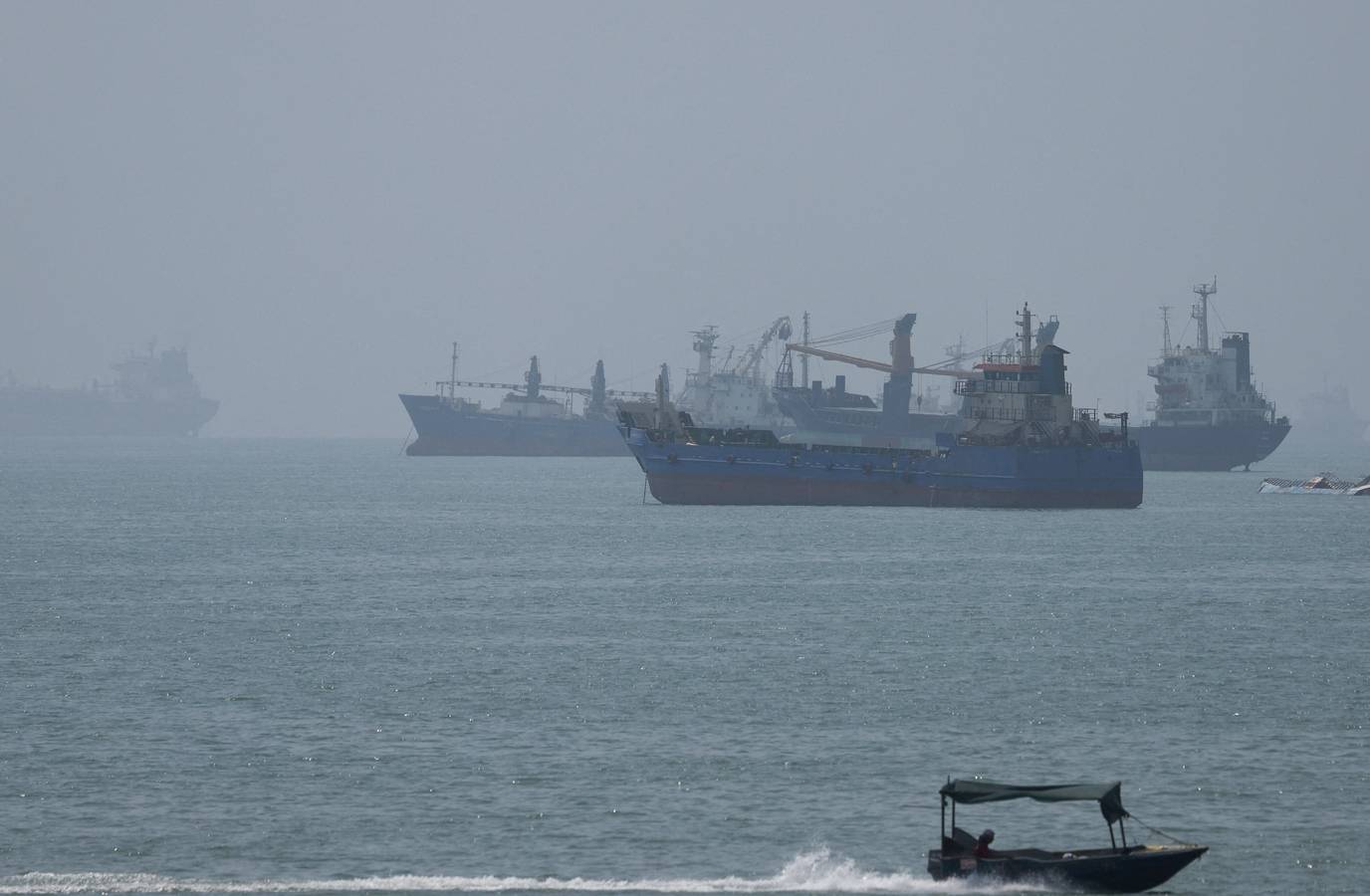
The blockade of Iranian ports on the Strait of Hormuz held up in its first 24 hours, with the U.S. military reporting success and the U.N. Secretary-General indicating that U.S.-Iran peace talks are likely to resume.
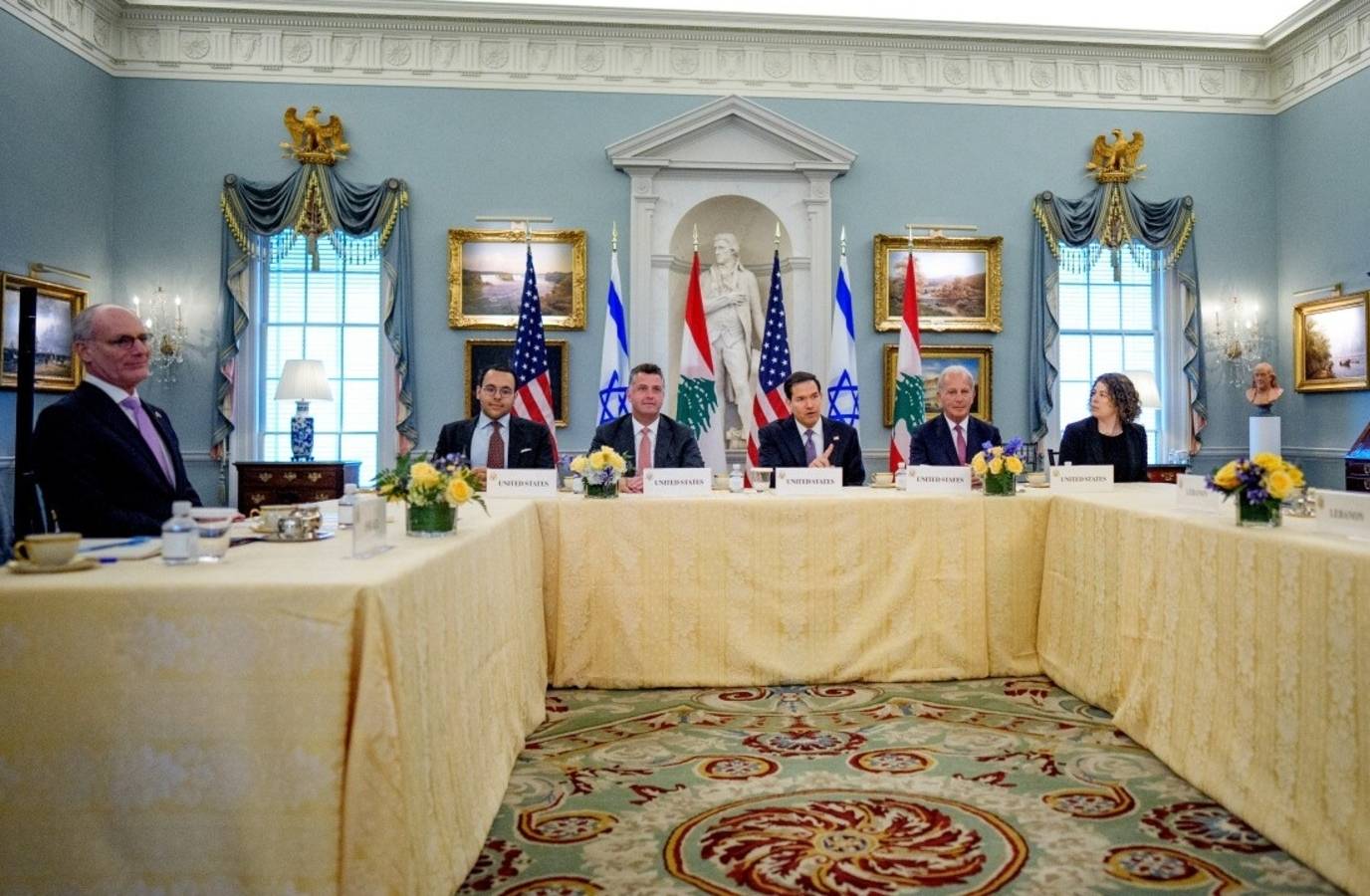
Meanwhile, Israel and Lebanon have agreed to launch direct negotiations for a comprehensive peace deal, following rare, face-to-face talks in Washington, D.C.
Regional countries are racing to bring the U.S. and Iran back to the negotiating table after peace talks in Islamabad ended without a deal.
Oil futures fell on Tuesday as the market keeps up hope for U.S.-Iran negotiations while the cease-fire in the Gulf holds.
The U.S. Treasury Department threatened secondary sanctions for financial institutions supporting Iran, saying it is aiming to impose maximum pressure on the regime.
More than 10,000 U.S. sailors, marines and airmen were involved in the mission to enforce the blockade, with over a dozen warships and aircraft participating.
European countries are putting together a plan for a broad coalition of countries to help free up shipping through the Strait of Hormuz, including sending mine-clearing and other military vessels.