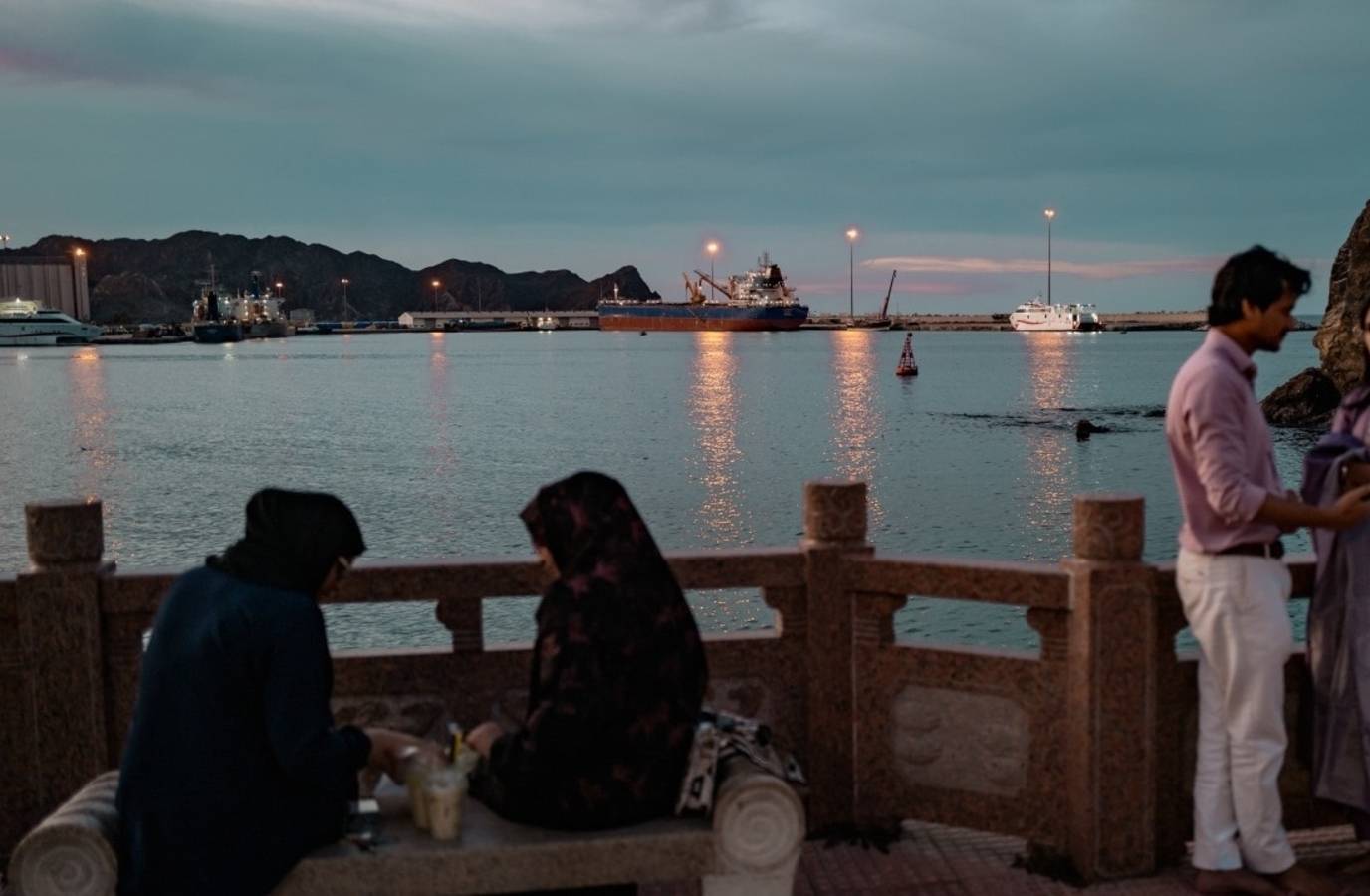
Oil tankers, container ships, and bulk carriers are bottled up in the Persian Gulf as Iran controls the Strait of Hormuz, a crucial waterway for one-fifth of the world's oil supply.
The Iranian regime's ability to control the strait has become its biggest leverage against the U.S., its Gulf neighbors, and the global economy.
Whether the war ends in a success or defeat for Iran depends on whether Tehran emerges from the conflict still holding the strait and the keys to the worldwide energy markets.
Iran's proposed toll system for passing vessels would bar non-friendly countries from the Persian Gulf, forcing European nations and others to drop economic sanctions against it.
However, international law experts argue that Iran has no legal basis to regulate commercial shipping on Oman's side of the maritime boundary.
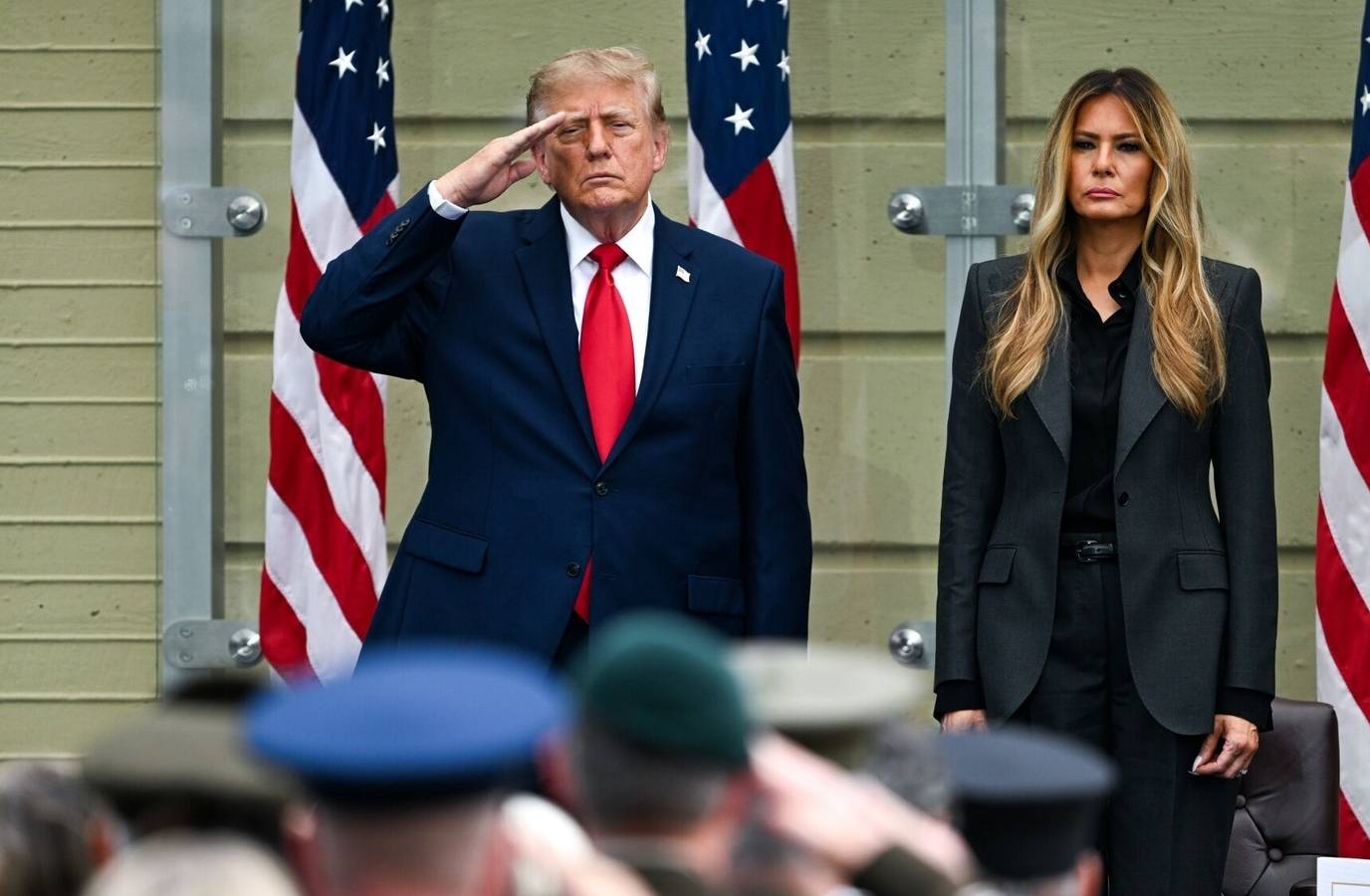
President Trump has sent mixed signals about his intentions, saying the U.S. doesn't import oil from the Gulf and that other nations should reopen the strait.
Ending the war in the near future while Iran controls the strait would be a geopolitical disaster for America's allies and partners in the Middle East and beyond.