When overwhelming force meets unyielding resistance, the result is often explosive. That is what we are seeing this week as President Trump's Operation Epic Fury encounters Iran's determination to resist at all costs.
From all accounts, Israeli and American military strikes are meeting and even exceeding their goals of disassembling the regime's infrastructure. Yet Tehran continues to disrupt oil traffic in the vital Persian Gulf even as it lashes out at its neighbors.
Two weeks in, it appears to be a stalemate. Devastating airstrikes have not broken the mullahs' will to resist. The effective closing of the Strait of Hormuz and the global turmoil in energy and stock markets haven't shaken Mr. Trump's resolve.
The cruel glare from that explosion is revealing some hard truths. For the president, the question is whether he pulls back or dives deeper in. The answer will define his place in history.
If the U.S. pulls back from the new Gulf war without reopening the Strait of Hormuz and achieving goals like securing Iran's nuclear materials, the consequences for Mr. Trump's power and prestige, at home and abroad, will be profound.
Yet to advance further into the chaos of an escalating and widening war holds other risks. Unless American forces can break Iran's stranglehold on the Strait of Hormuz, the economic consequences of the war will inexorably grow.
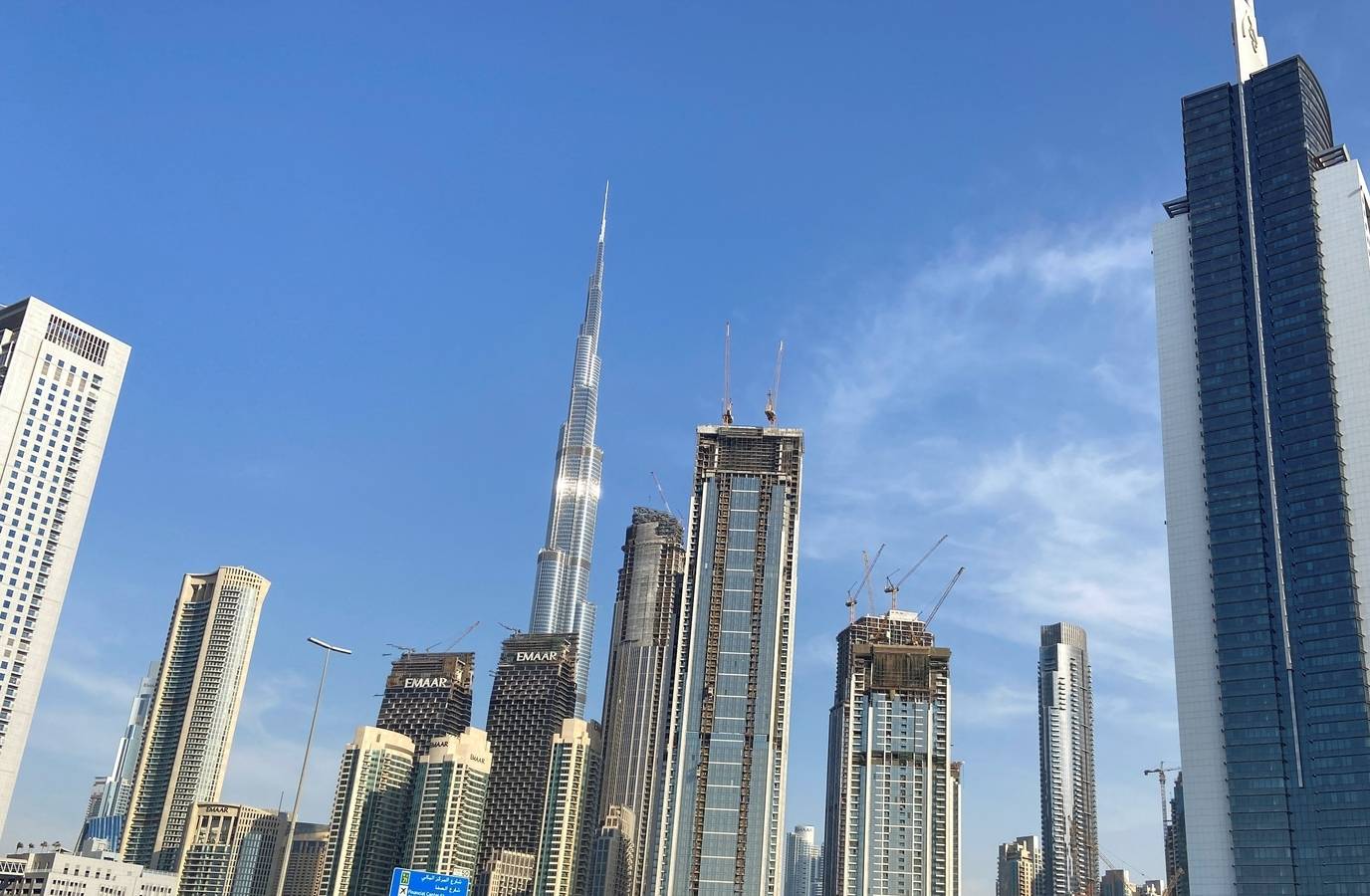
The Gulf Arab states have discovered how fragile their vaunted prosperity is. Their wealth cannot protect them from Iranian missiles, drones or blockades.
The wars raging across the region since Hamas's attack on Israel on Oct. 7, 2023, make investors cautious about committing large sums to infrastructure and facilities in a potential war zone.
For Europeans, the harsh light of war illustrates their powerlessness and dependency. The Ukraine war has combined with poorly conceived green energy policies to raise energy costs so high that they threaten the competitiveness of European industry.
A prolonged war in the Gulf would have grave consequences for struggling European Union economies, but years of military underinvestment leave those countries with few options for affecting the outcome of the war.
Indo-Pacific countries are equally shocked by their vulnerability to events they can't control.
The U.S. presented the war as a fait accompli to its Indo-Pacific allies; they have been left to cope with the consequences of decisions that affect them profoundly, but with little ability to influence Washington's policymaking.
From Pakistan to Korea, no region on the planet is more dependent on Middle East energy than the Indo-Pacific.
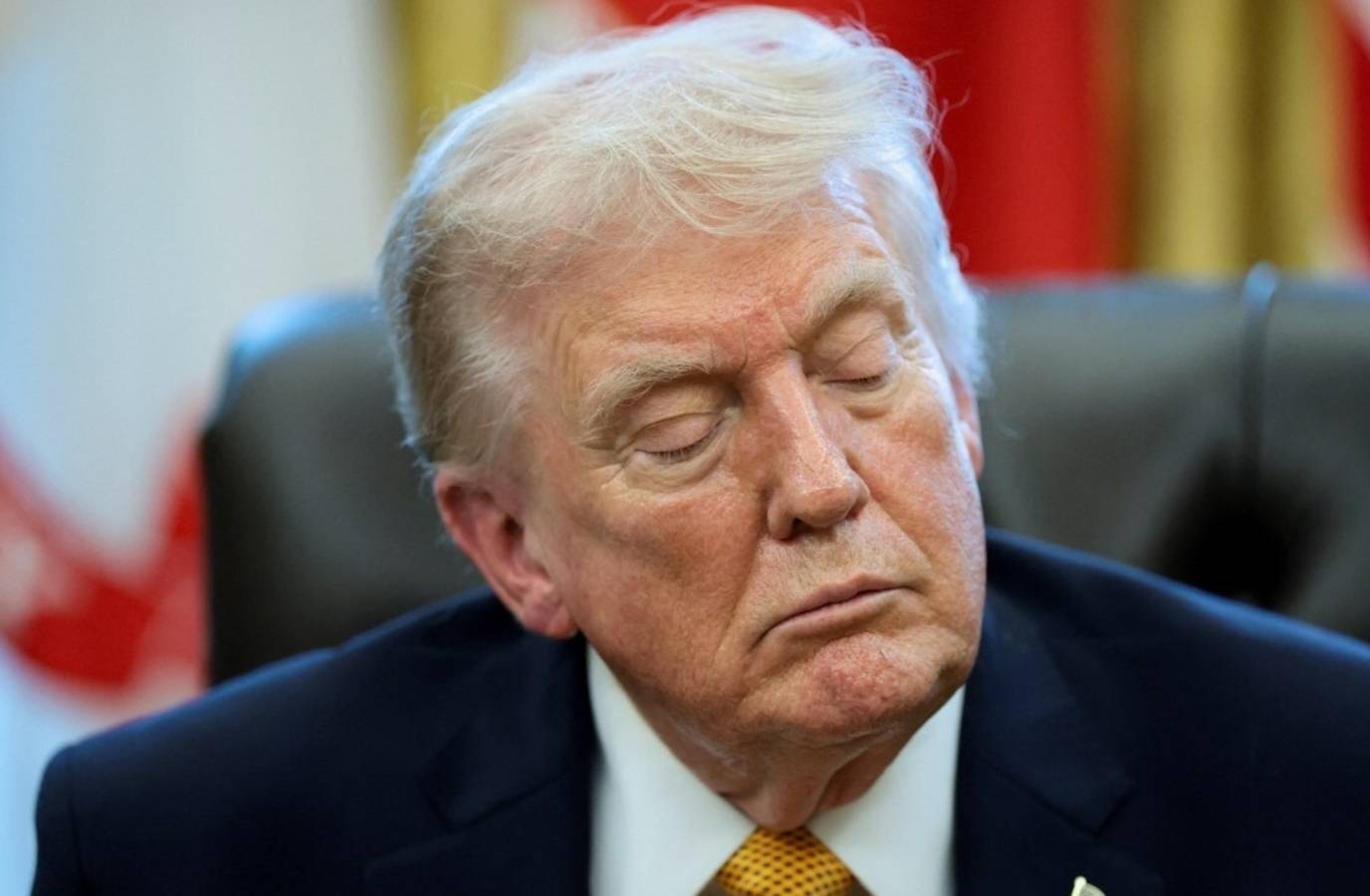
The growing costs and complexities of the Iran war pose the greatest threat yet to Mr. Trump's unorthodox presidency, but he still has some cards to play.
His intuitive grasp of the logic of power, his genius for improvisation, and his willingness to adapt dramatic and unconventional approaches equip him with skills that a war president needs.
Crucially, the shock waves the war has sent around the world reinforce the importance of an American victory to stakeholders far and near.
Ceding control of a vital waterway and of resources necessary for the prosperity of billions of people to a fanatical and bloodthirsty regime is a recipe for permanent crisis and upheaval.