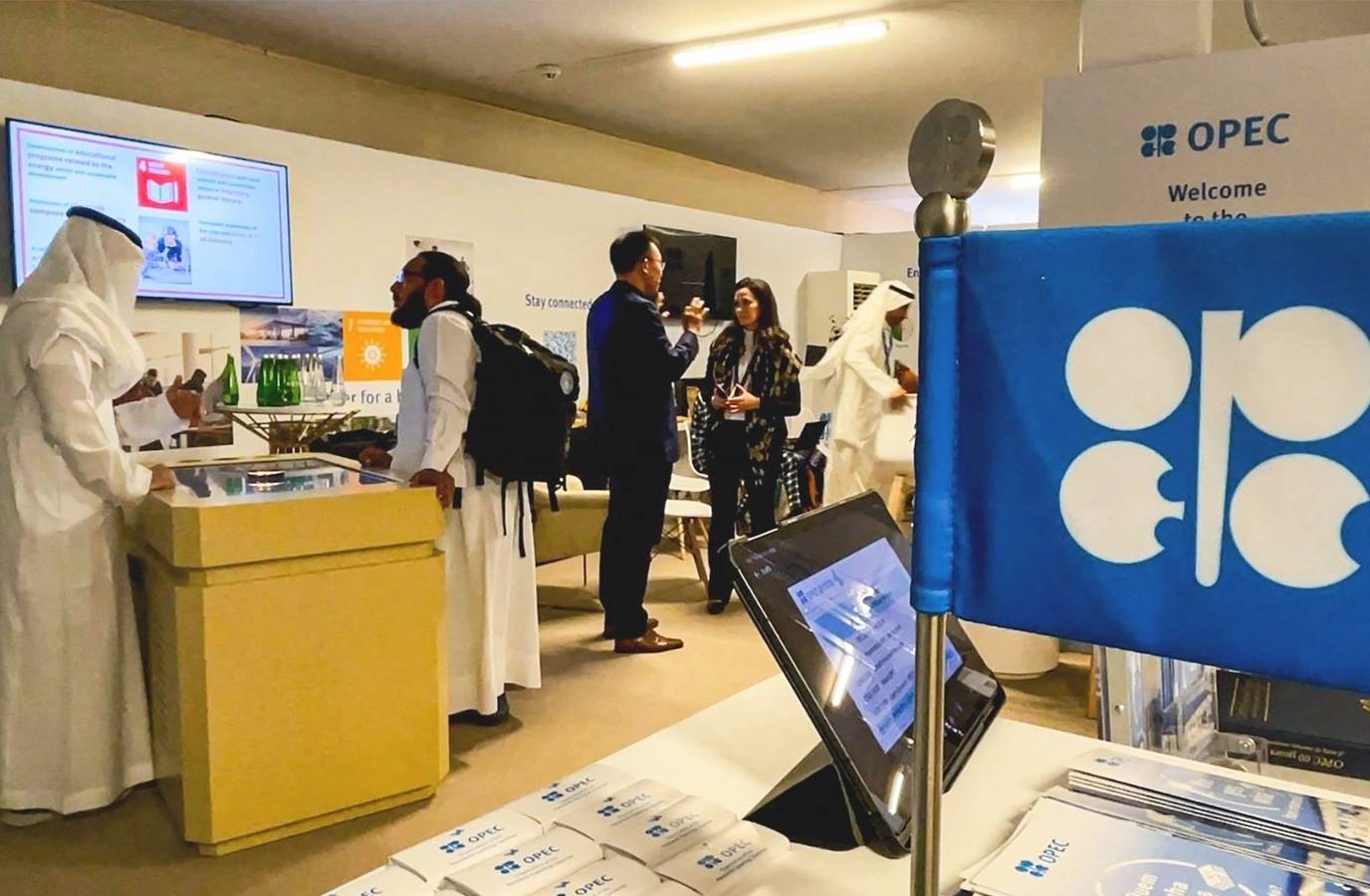
The United Arab Emirates has announced its decision to exit the oil cartel OPEC and its wider OPEC+ grouping, effective May 1. The move comes as the country seeks greater flexibility in its oil production policies, amidst a global energy crisis triggered by the Iran war.
The UAE's energy minister stated that stepping away from the group would give the country more freedom to respond to market demand, particularly in light of supply shortages linked to the war.
The decision follows years of friction between the UAE and Saudi Arabia, the de facto leader of OPEC, over oil production policy and broader regional influence.
Analysts predict that the UAE's exit will significantly impact OPEC's capacity, with the country producing around 2.9 million barrels of oil annually.
As the global energy market continues to grapple with the effects of the Iran war, the UAE's move is seen as a significant geopolitical reshaping of the Middle East and oil markets.