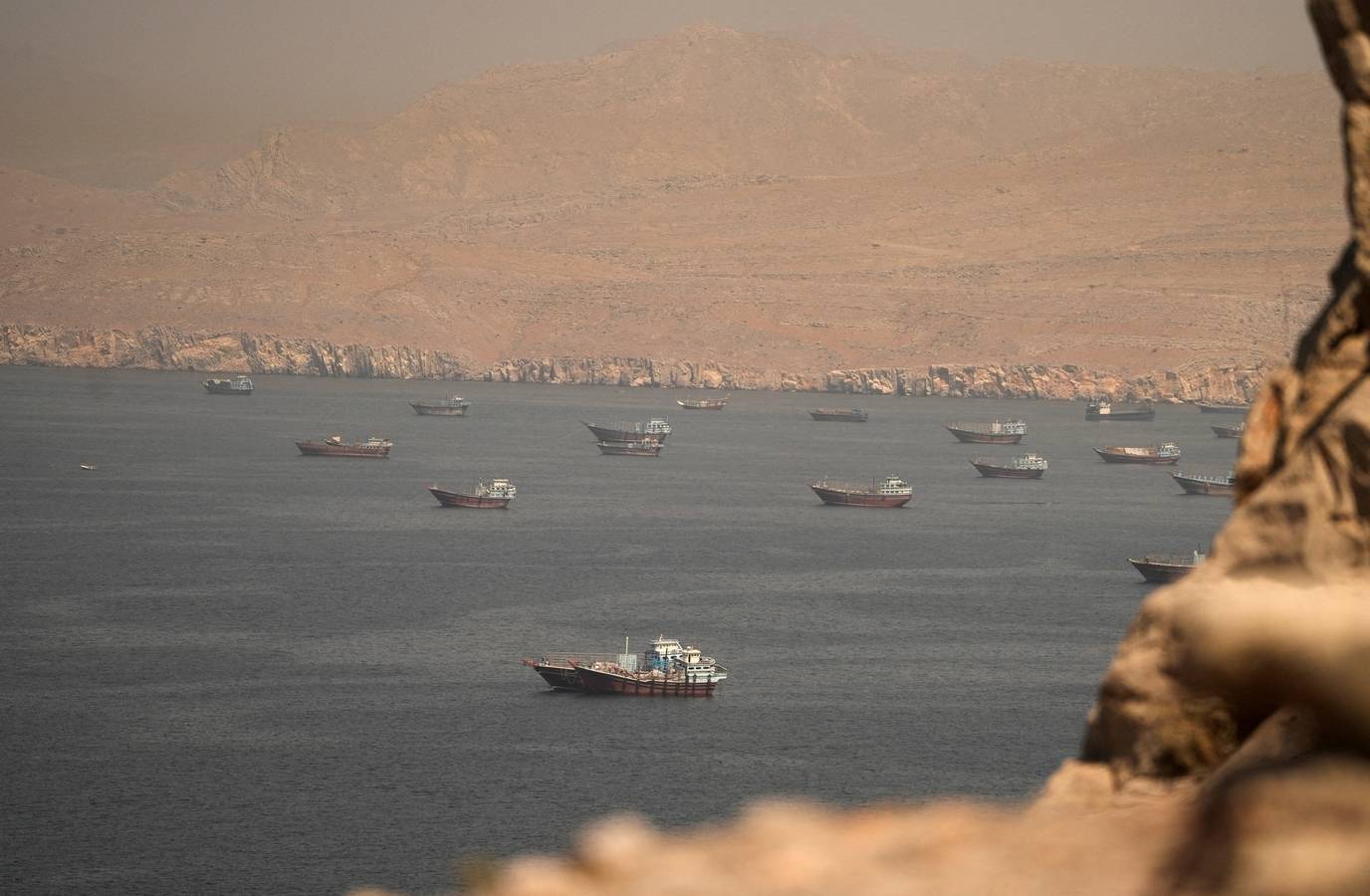
The U.S. has lifted its blockade of Iran, allowing oil tankers to freely move through the Strait of Hormuz after months of being unable to use the critical channel. This comes as the tentative agreement to end the war takes effect.
The move was announced after Vice President JD Vance said he may postpone a trip to Switzerland that had been planned for Friday, and a Trump administration envoy told U.S. lawmakers that Iran will invite the U.N.'s nuclear watchdog agency to inspect its nuclear sites.
Iranian Supreme Leader Ayatollah Mojtaba Khamenei endorsed direct negotiations with the U.S. in a statement, indicating a shift in Iran's approach.
Trump envoy Steve Witkoff told lawmakers that Iran will invite the U.N.'s nuclear watchdog agency to inspect its nuclear sites and begin work on identifying and uncovering the locations of Tehran's enriched material.
The agreement states that Iran's stockpile of highly enriched uranium must at minimum be diluted under international supervision, and Iran shall not procure or develop nuclear weapons.
However, the uncertain timeline could raise new questions and make it even more difficult for the Trump administration to promote a deal that many in the U.S. have criticized as too favorable to Tehran.