British Prime Minister Keir Starmer's recent address to his nation about the ongoing war in West Asia marked a significant shift in the UK's stance, echoing sentiments from other European leaders. This move comes exactly 44 years after Britain and the US took aligned positions during the Falklands War.
The 40-year interregnum between Britain expressing gratitude to the US for supporting it in a war in the Americas and now disassociating itself with a war the US is fighting currently represents a larger political economy rupture between the US and its European satellites.
The roots of this rupture can be traced back to the triumph of neoliberalism over the interventionist welfare state model of capitalism. The Thatcher-Reagan bonhomie, which represented a massive political ideological accomplishment for capitalism, has given way to a fundamental problem: the US declaring a force majeure on its responsibilities as the global capitalist leader.
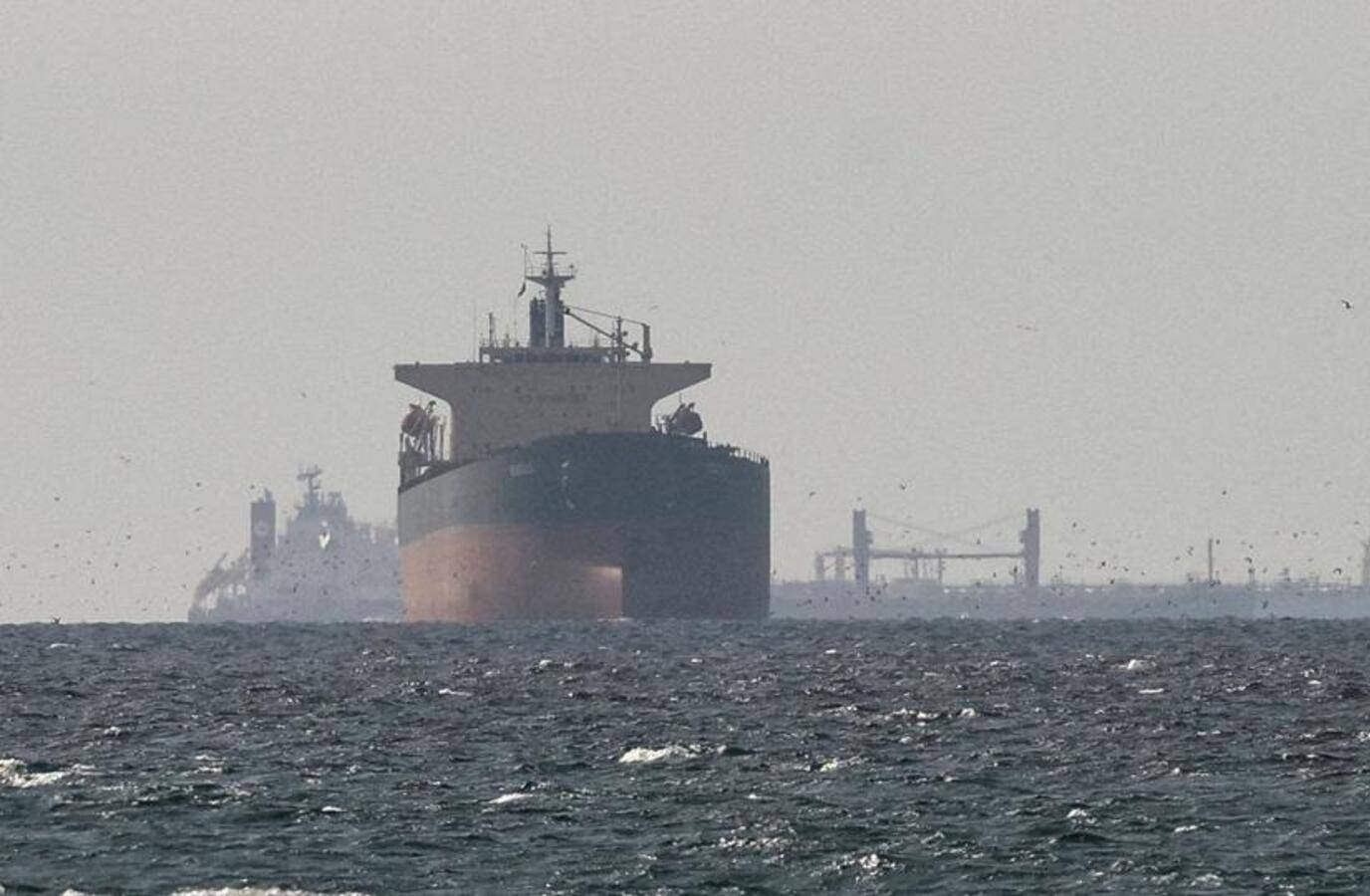
The US's invasion of Iran and the energy shock that followed have proved to be the last straw, exacerbating Europe's economic woes and petrifying them about the prospects of living in an age of crude oil above $100/barrel.
The US's shift from being a disciplined and altruistic keeper of the global economic strategic order to a bully exploiting its economic-military advantage has led to a rift between the US and Europe. European countries are now pressing eject from the US-led gravy train without a robust parachute, and the consequences of this shift are yet to be seen.