A US fighter jet crash in Iran has sparked a high-risk search and rescue mission, with one crew member still missing. The pilot has been rescued, while efforts continue to locate the second airman, according to reports.
The situation highlights the complex operations involved in recovering personnel from hostile territory. The first priority is finding the crew, which begins with a race against time to locate the downed aircrew.
US aircrew are trained extensively for such scenarios under the Survival, Evasion, Resistance, and Escape (SERE) program, which equips them to avoid capture and survive in hostile conditions until help arrives.
Once a probable location is identified, the military assembles a coordinated response known as a "rescue package," involving multiple aircraft and a specialized team.
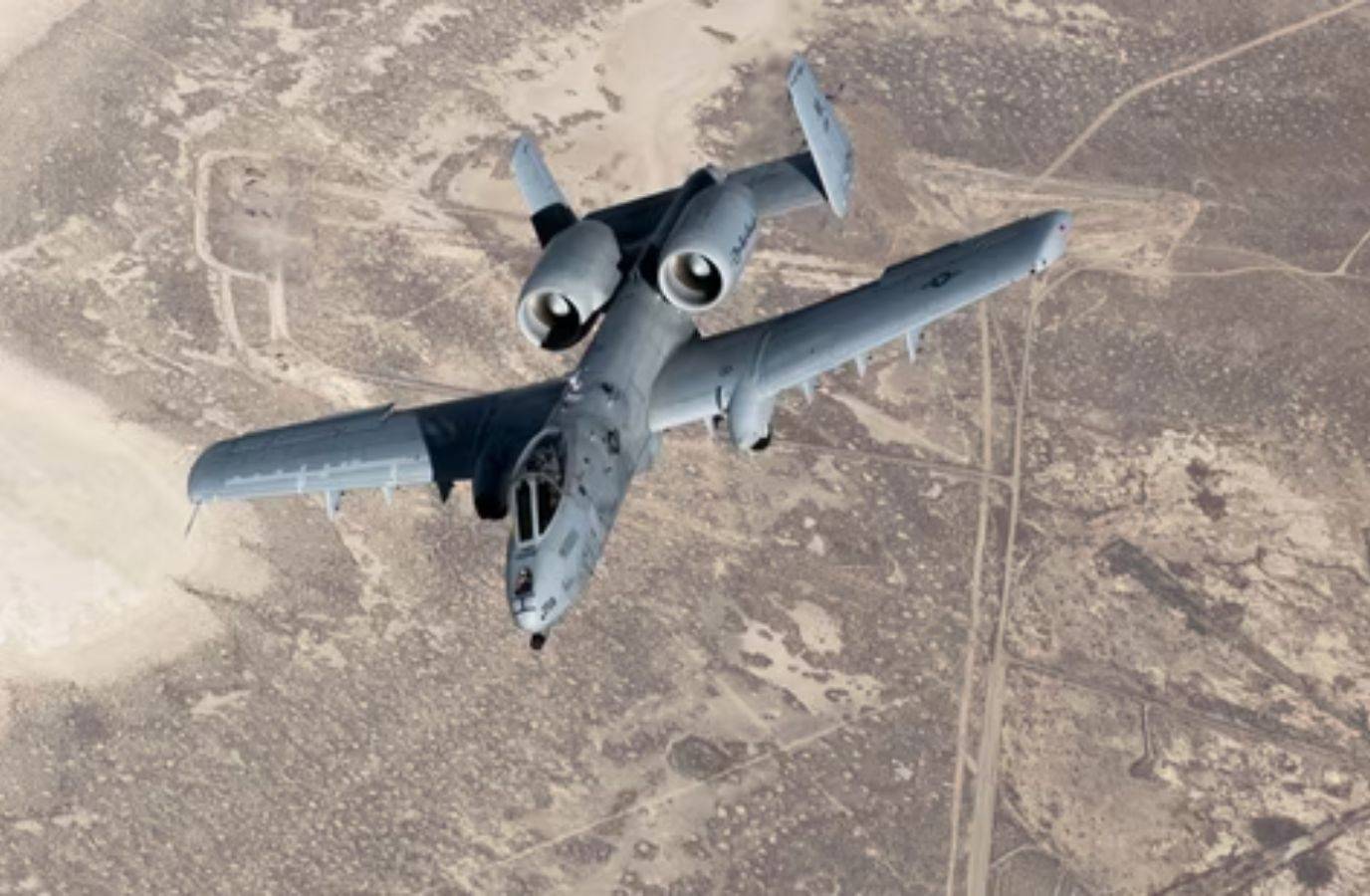
The rescue package may include HH-60W helicopters, HC-130J aircraft, electronic warfare aircraft, and A-10 attack planes to provide cover and suppress enemy forces.
Several factors influence how and when a rescue can be attempted, including timing, terrain, and mobility. The condition of the missing crew member is also critical, as it determines the range of possible extraction points.
The biggest risks in such missions are capture and survival, especially in harsh desert conditions where water and cover are limited.