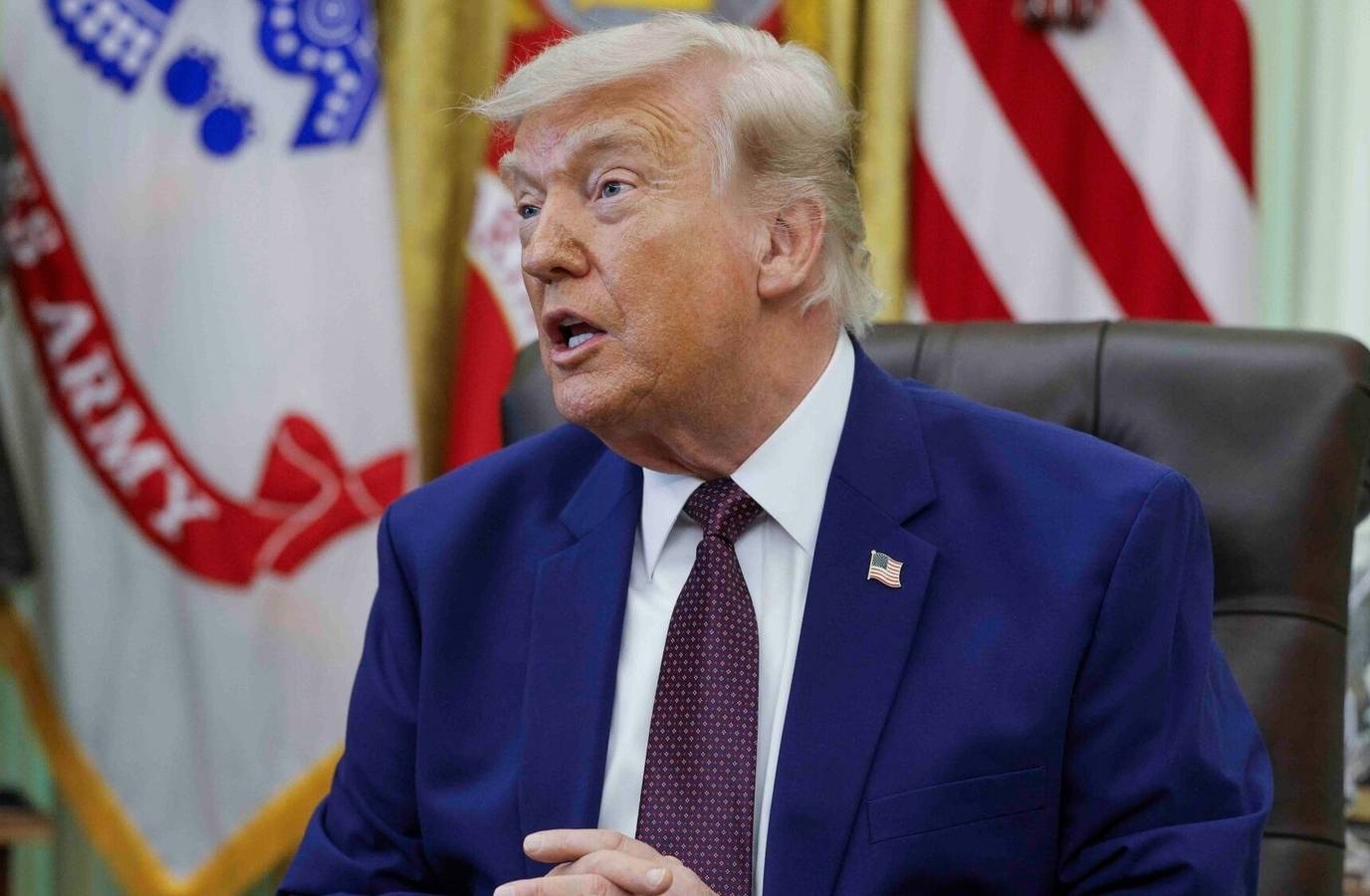
The House of Representatives has approved a war powers resolution aimed at halting US military action in Iran, defying President Donald Trump. The move, supported by some Republican lawmakers, indicates growing concerns about the conflict as Trump seeks a resolution.
The War Powers Resolution, a 1973 federal law, limits the president's ability to initiate or escalate military actions abroad without Congressional approval.
However, the resolution's approval does not mean an immediate end to the Iran war. It will now head to the Senate for approval, followed by a potential veto by Trump.
Reuters has called the vote 'largely symbolic,' requiring a two-thirds majority in both chambers and overcoming an 'almost certain' Trump veto.
The resolution's passage is a step towards a possible end to the Iran war, but until both Congress and the Senate pass it, and Trump agrees, the peace deal remains the best recourse to a resolution.
The House voted 215 to 208 in favor of the war powers resolution, marking the fourth time the House has tried to curb the US war against Iran. The Senate advanced its own war powers resolution last month, with some GOP senators breaking rank with Trump.
Even if the resolution does not stop the war, it will give a 'symbolic if not legal step' against further military action against Iran.