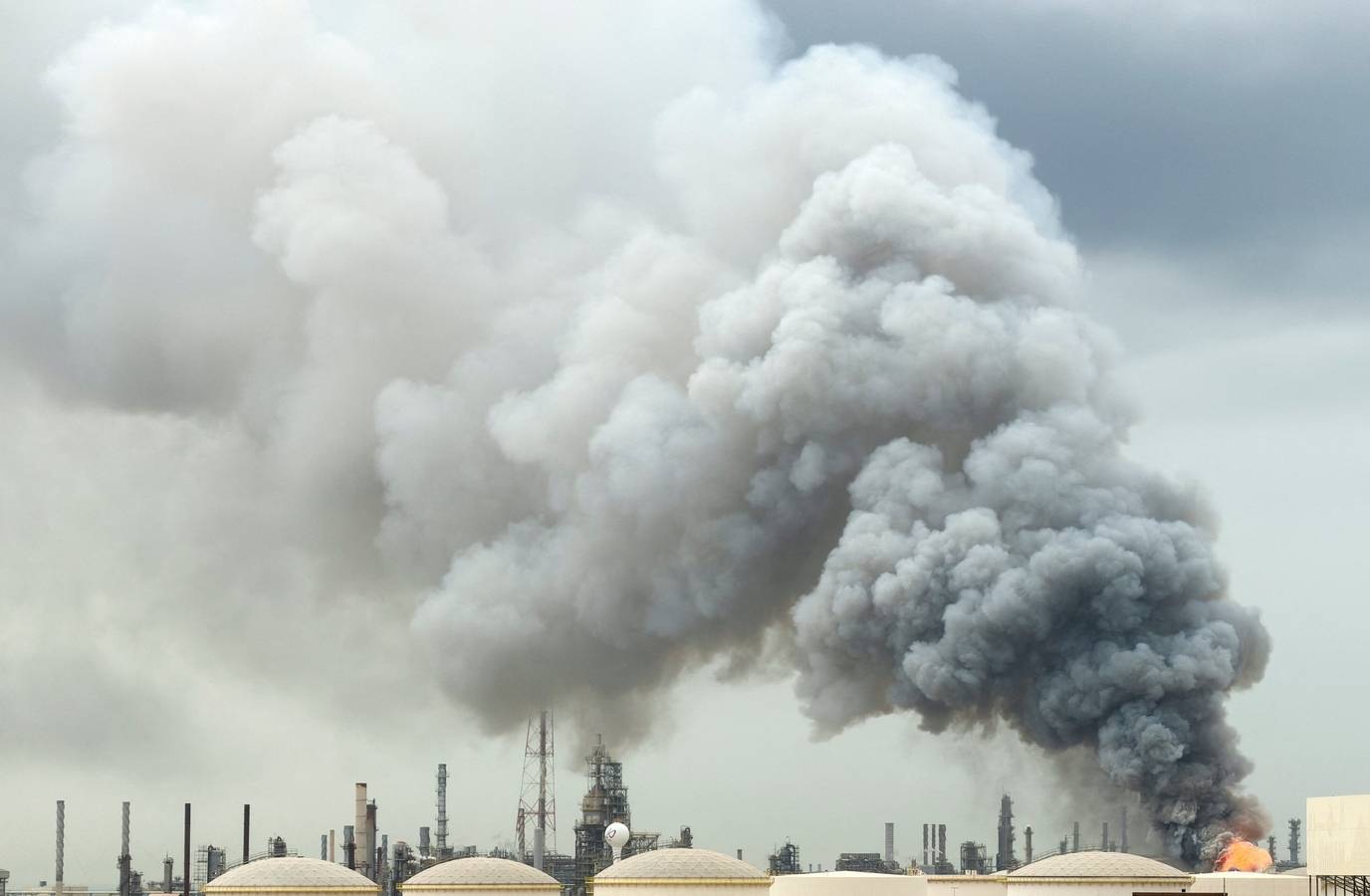
THE FLAMES towered into the night sky, casting an apocalyptic glow over wartime Tehran. A late-night Israeli strike on March 7th hit several fuel-storage depots in the Iranian capital and in Karaj, 40km (25 miles) to the north-west.
Throughout the night, Saudi air defences had shot down wave after wave of Iranian drones (21 in all) aimed at the Shaybah oilfield, one of the kingdom’s largest.
The war is thus turning into a test of wills, one in which military might is not necessarily more important than the ability to withstand economic pain and damage to vital infrastructure.
As the war enters its second week, both sides are confronting the limits of their strategies, which have achieved military goals but have so far been unable to deliver political ones.
The Islamic Revolutionary Guard Corps, the regime’s praetorian guard, profits handsomely from the oil industry. Apart from the strikes on fuel depots, which Israel says are controlled by the Guards, Mr Trump’s advisers have mused about sending special-forces troops to occupy Kharg Island, the site of Iran’s main oil-export terminal.
Iran has launched more than 2,000 missiles and drones at Gulf states since the war began. Though most have been intercepted, they have caused real damage. At least 14 people (mostly migrant workers) have been killed. Oil refineries and gas-liquefaction plants have shut down. Thousands of flights have been cancelled.