Where did Hurricane Isaias make landfall? Scary visuals show damage in Perdido Key, Milton, Santa Rosa Beach in Florida | Hindustan Times
Hurricane Isaias made landfall as a Category 2 hurricane at around 8:30pm local time with wind speeds of 105 mph, as per the National Hurricane Center.
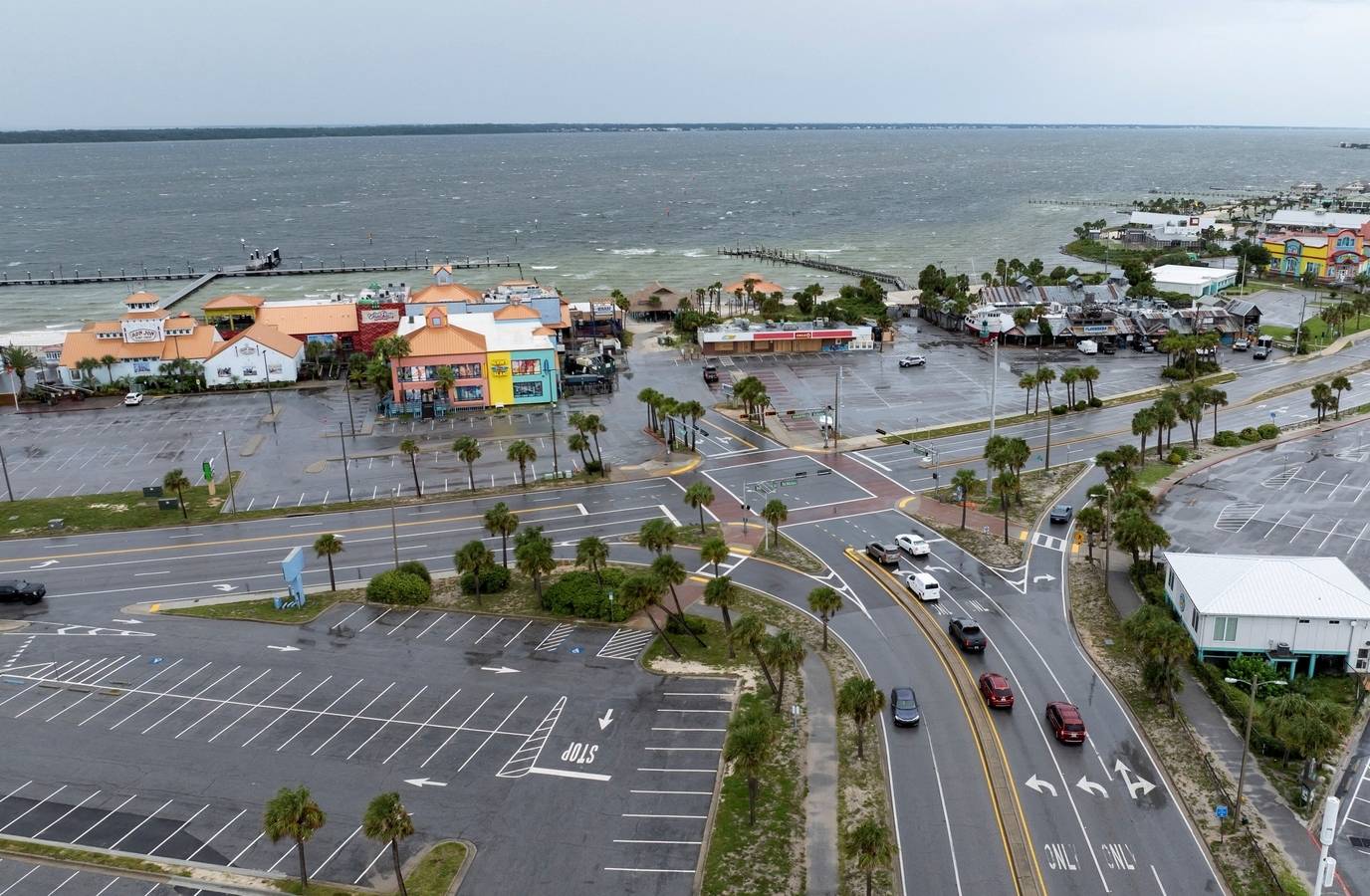
Hurricane Isaias has made landfall in Florida, the National Hurricane Center confirmed. It made landfall as a Category 2 hurricane at around 8:30pm local time with maximum sustained wind speeds of 105 mph.The landfall was near Destin in Florida. Scary visuals showed a huge surge of water in Destin amid the landfall. Another video from inside a car showed the wind speeds. “Hurricane Isaias very powerful 100+ mph winds hammering Fort Walton Beach to Destin, Florida,” a local wrote.Hurricane Isaias: Scary visuals emergeScary visuals emerged from Perdido Key. One showed strong winds amid Hurricane Isaias. Another clip showed the seas roil. Visuals from Milton showed strong winds. One was a webcam video and the other showed a water body. Scary videos also emerged out of Santa Rosa Beach, with one X page noting “Santa Rosa Sound recorded a 116 mph gust; Panama City Beach water reached 5.6 ft above normal high tide. Stay sheltered and away from windows. Prayers up.”Also Read | Why did Newport Beach, Balboa Peninsula flood? Official explains amid tsunami fears; scary visuals emerge from CaliforniaOne video showed large waves. Other videos showed a water surge and heavy rain. Hurricane Isaias: Latest updateAs per the latest update from the National Hurricane Center, the maximum sustained winds of Isaias has dropped from 105 mph at landfall to 85 mph a half-hour later. The update came around 9pm local time.The NHC noted that a life-threatening storm surge was affecting the Gulf Coast while flash flooding and hurricane conditions continued to spread inland.It is now a Category 1 hurricane, the NHC further noted. This label covers storms where wind speeds are between 74 and 95 mph. The center of hurricane Isaias was 50 miles east of Pensacola, Florida. The storm was moving inland, according to the NHC. At the time of writing, the storm is still moving north at a fast speed of around 19 miles an hour.The hurricane will move across Alabama and into the Tennessee Valley through the weekend. Flooding remains one of the greatest threats, but one must also keep an eye out for tornadoes and dangerous surf. The tornado threat continues for parts of Alabama, Georgia, the Florida Panhandle, and the Carolinas.Amid the hurricane, a power outage tracking site noted that over 418,000 homes and businesses in Florida and Alabama are without power.