Why diamond prices are crashing and what it means for India | World News
Natural diamond prices have fallen sharply amid weak demand, high inventories and competition from cheaper lab-grown stones, hitting India’s diamond industry. | World News
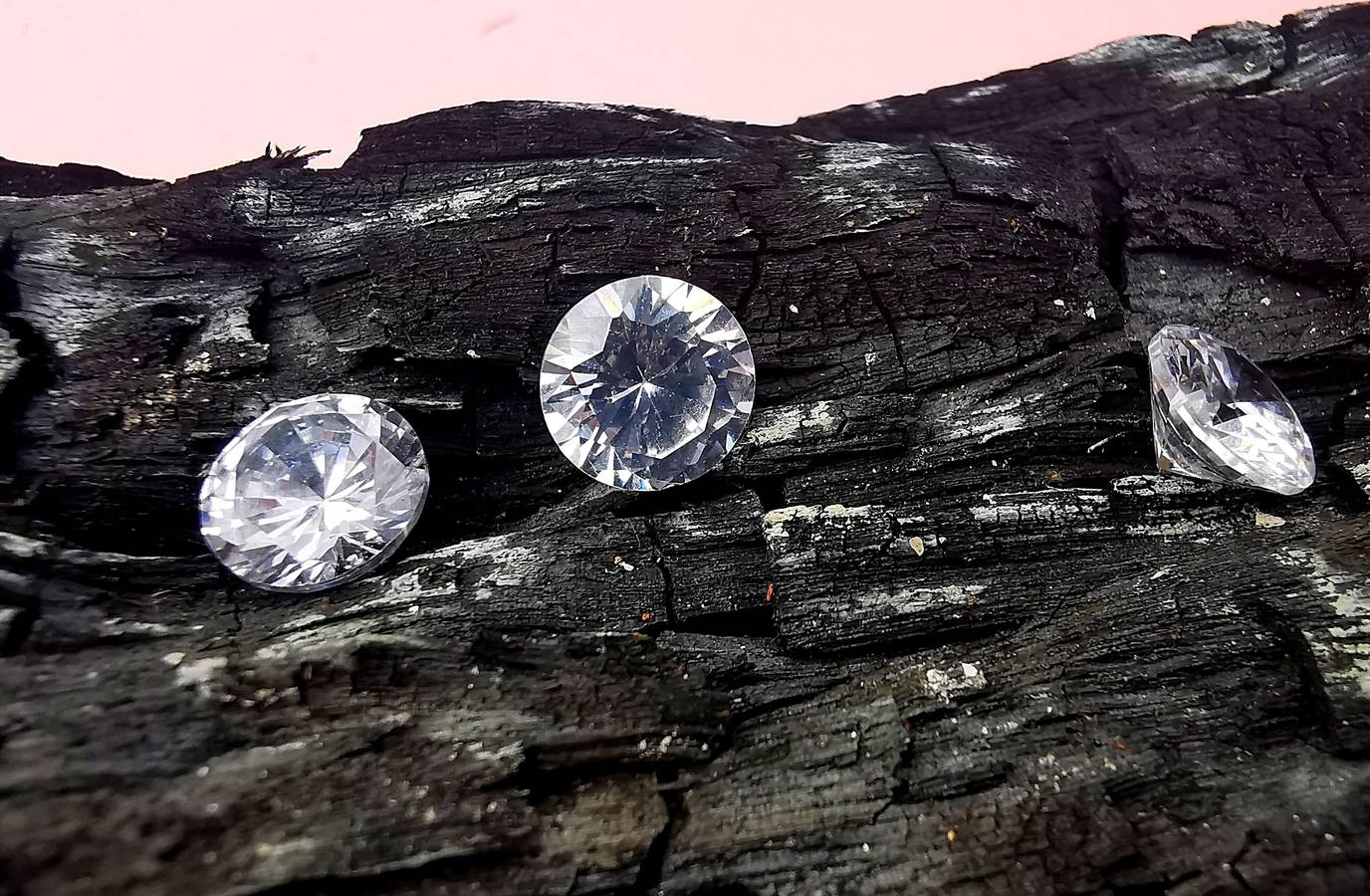
Natural diamond prices have fallen to levels not seen in more than two decades, with wholesale prices now around 30-40% below their 2021 peaks, according to a recent market report carried by TradingView.The drop comes as the diamond industry faces lesser demand in key markets, elevated inventories and growing competition from lab-grown diamonds. The fall has not been uniform, with smaller and lower-quality natural diamonds under greater pressure than larger, higher-quality stones.Also Read: India defines a ‘diamond’ amid lab-grown surge, US tariff woesWhy are diamond prices falling?Poor demandDemand for natural diamonds has softened in some major markets. De Beers said rough diamond trading conditions remained challenging in the first half of 2026, with geopolitical and macroeconomic uncertainty affecting consumer confidence and logistics.Demand in mainland China continued to decline, while India remained robust. In the US, natural diamond jewellery sales returned to growth among independent jewellers. Supply and inventory pressureDe Beers' H1 2026 results show the pressure further up the supply chain. Its rough diamond production rose 46% year-on-year to 14.9 million carats, while total revenue fell to $1.6 billion from $2 billion a year earlier.The company's average realised rough diamond price fell 32% to $105 per carat from $155 per carat in the first half of 2025. Its average rough diamond price index also declined 16%.Lower realised price reflected a sales mix with a higher proportion of lower-value goods because of its inventory mix, along with the decline in its rough diamond price index.Also Read: Twinkle, little star: Natural diamonds and the young IndianLab-grown diamonds have changed the marketThe rapid expansion of lab-grown diamonds has added another source of pressure, particularly for smaller and lower-value natural stones.Lab-grown diamonds have the same crystal structure as natural diamonds but can be produced at scale, allowing them to be sold at substantially lower prices. De Beers said smaller and lower-quality natural diamonds continued to face pricing pressure from synthetic lab-grown diamonds in the first half of 2026.Lab-grown prices have also fallen sharply as production has increased. Diamond industry analyst Edahn Golan told Reuters in October 2025 that average wholesale prices of one-and two-carat lab-grown diamonds had fallen by as much as 96% since 2018. Reuters reported that increased production in China and India had contributed to the decline.Also Read: ₹50 lakh’ diamond in Madhya Pradesh’s Panna: Report">Seven labourers find ‘ ₹50 lakh’ diamond in Madhya Pradesh’s Panna: ReportImpact on India's diamond industryThe global slowdown matters particularly for India, which processes about 90% of the world's diamonds and is the world's largest cutting and polishing hub, according to Reuters.India's cut and polished diamond exports fell 8.5% year-on-year to $12.16 billion in FY2025-26, their lowest level in more than two decades, Reuters reported, citing the Gem and Jewellery Export Promotion Council.Overall, gems and jewellery exports fell 3.3% to $27.72 billion during the financial year. Shipments to the US, India's biggest market, fell 45% to $5.09 billion, Reuters reported.The weaker export numbers reflect the pressure facing India's diamond-processing industry as global demand changes and lab-grown stones gain a larger share of the market.