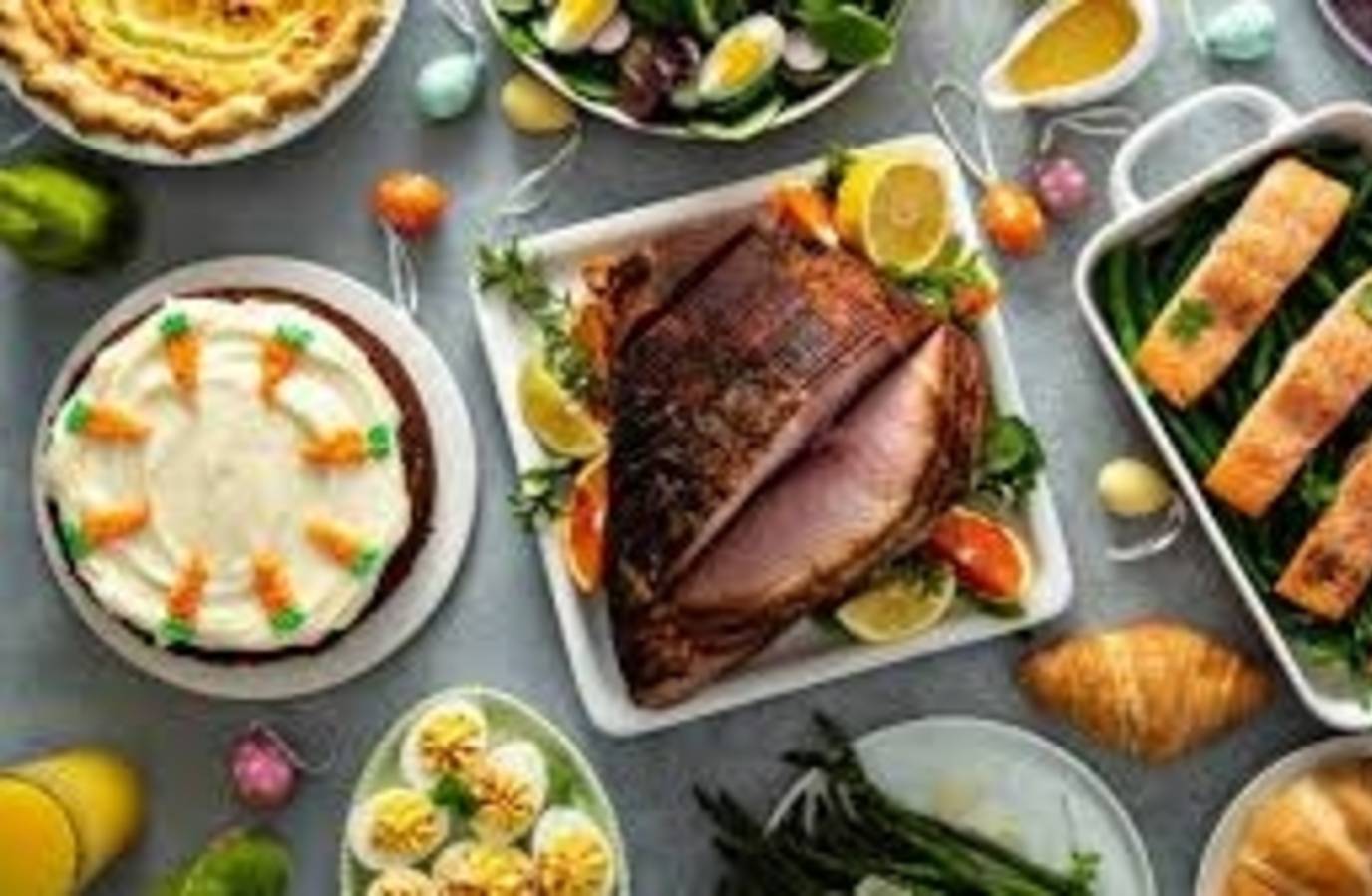
Bengaluru's Easter celebrations are a fusion of Mangalorean and Goan traditions, with pork being the star of the show. The city's pork culture is deeply rooted in its history, dating back to the Vijayanagar era. In this article, we explore the unique pork dishes that are a part of Bengaluru's indigenous heritage.
From the spicy bafat masala of the Konkan coast to the smoked and acidified pandi curry of the Kodavas, Bengaluru's pork dishes are a reflection of its rich cultural diversity. The city's Easter celebrations are a time to indulge in these delicious dishes, which are a far cry from the traditional European-style pork roasts.
The use of pork as an aphrodisiac dates back centuries, with even the Vijayanagar kings and the 12th-century King Somesvara III believing in its health-giving properties. The Manasollasa, a foundational text on the enjoyment of the arts, details the culinary arts, including the preparation of pork dishes.
Today, Bengaluru's pork culture remains strong, with many families continuing to prepare traditional pork dishes for Easter. Despite the lack of good Coorg restaurants in the city, the pork culture remains a part of Bengaluru's robust indigenous heritage.