Cash-strapped Pakistan’s jet, missile display exposes reliance on China, Turkey as India boosts defences | India News
From J-10 fighters and Wing Loong drones to Turkish Akinci and new air-defence systems, Pakistan is rapidly expanding its military capabilities. | India News
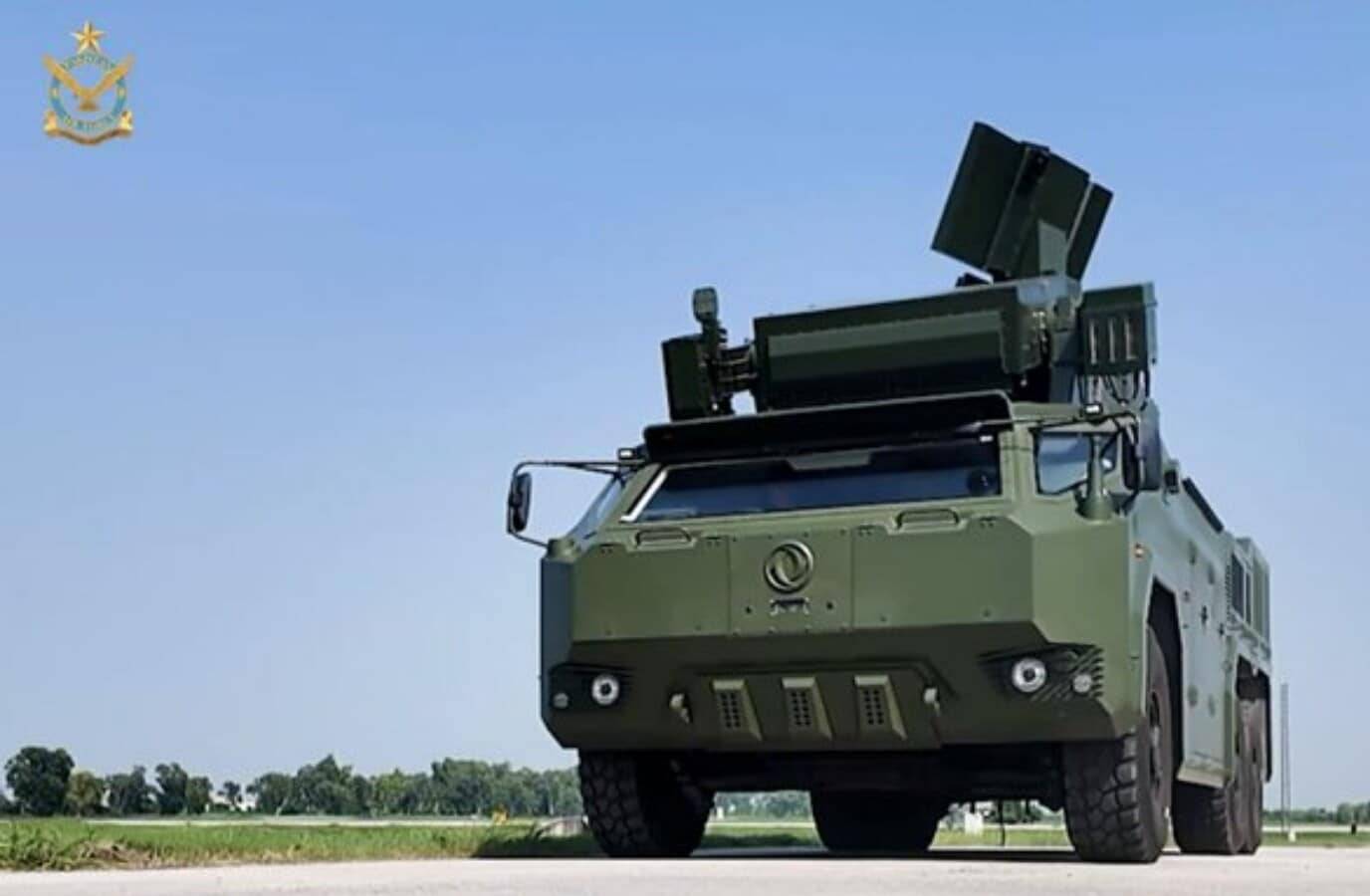
On Monday, the Pakistan Air Force (PAF) showcased its newly acquired air defence capabilities on official social media channels, revealing the extent of its military dependency on "iron brother" China and Mecca defence pact partner Turkey.The PAF channel flaunted Russia copy and Chinese reverse-engineered HQ-17 AE short-range surface to air missile system, Turkish counter-unmanned aerial vehicle system and self-propelled anti-aircraft gun. Apart from Chinese J-10 and JF-17 fighters, the PAF showcased the Turkish and Chinese armed drones/ unmanned combat air systems (UCAVs) like Akinci and Wing Loong II. The Wing Loong II drone was apparently put to use by Rawalpindi to target Baluch insurgents in Balochistan.While the Indian security establishment has noted the PAF display, it is quite flummoxed over where Rawalpindi gets money to purchase this equipment from Turkey and China. Given the bad state of Pakistan's economy, which is growing at 3.8 per cent, the question that is being asked is as to who is funding the acquisition spree. The answer could perhaps be funding from Mecca partner Saudi Arabia, or new-found friend US, or equity swap with China on a major infra project in Pakistan.Since Pakistan was taught a humiliating lesson by India during Op Sindoor in May 2025, Rawalpindi is acquiring stand-off weapons, UCAVs (unamanned combai aerial vehicles), missiles and air defence systems from the international arms market to the tune of billions of dollars.It is also building up its fledgling Navy with 8 Yuan class of Chinese diesel attack submarines and Chinese-guided missile frigates in a bid to counter the Indian Navy in the Arabian Sea. With Pakistan being part of the Mecca alliance, it will have increased access to US defence technologies via Saudi Arabia and Turkey on the other hand.Taking note of the Pakistani acquisition posture and its penchant for purchasing off the shelf from China and Turkey, India is rapidly plugging the gap on armed UCAVs and long-range loitering ammunition, as the Modi government is focused on indigenous development and manufacturing. The Indian armed forces are pushing the Indian private sector to deliver on long-range loitering munition up to 1000 km and beyond range. The Indian acquisition of 31 MQ-9B Predator drones from the US will take time and the UCAVs will only start delivery from 2028.Rather than wait for long-range high-medium altitude drones, India is looking to develop beyond visual range air-to-air missiles with a range of over 250 km like the Russian RVV-BD missile. This week, the defence ministry cleared the integration of two Russian RVV-BD missiles for integration into the Su-30 MKII fighter. If the integration is successful, then India may buy a limited number of the Russian missile while concentrating on development of Astra Mark III missile of a similar range.This apart, India will soon be testing the long-range version of anti-ballistic missile interceptors to ensure that Pakistan missiles will be neutralised in air in the worst case scenario.