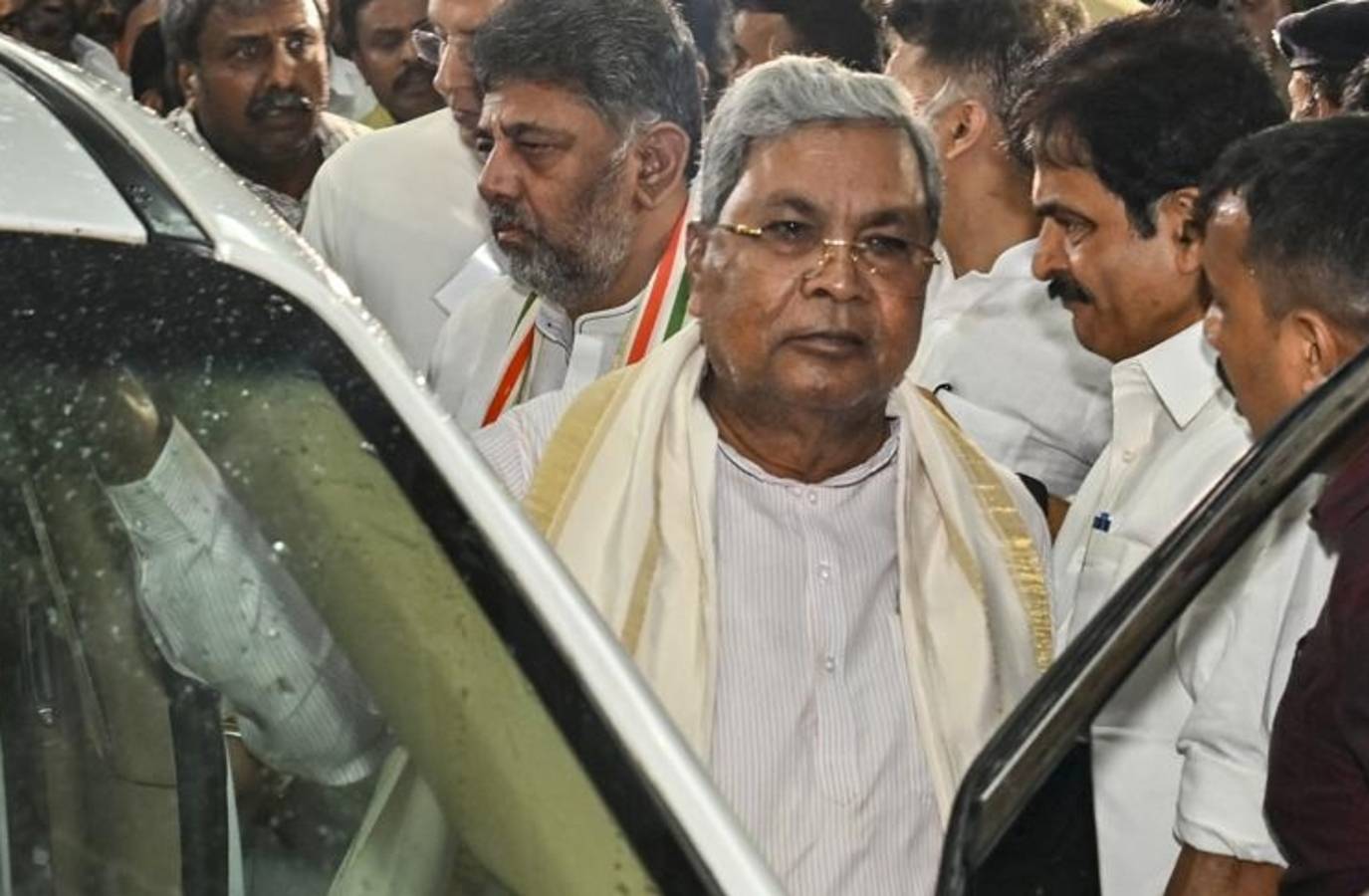
Karnataka's political history offers a cautionary tale for parties replacing powerful regional leaders before the end of a term. The Congress now faces this challenge as Siddaramaiah exits the chief minister's office and D. K. Shivakumar prepares to take charge.
The transition is being viewed through the prism of two earlier political moments that altered Karnataka's electoral landscape: the removal of Veerendra Patil in 1990 and B. S. Yediyurappa's resignation as chief minister in 2021.
Congress leaders acknowledge that the Veerendra Patil episode became a defining turning point in the party's decline among Lingayat voters. The BJP later confronted its own version of that dilemma after Yediyurappa stepped down in 2021.
The Siddaramaiah transition carries different social equations but similar political sensitivities, with the Congress concerned about transferring authority without creating the impression that the AHINDA coalition is being displaced or weakened.
Political commentator A. Narayana argued that the present transition differs significantly from earlier Karnataka leadership struggles because it emerged through negotiation rather than abrupt removal.
Unease remains within sections of the AHINDA ecosystem, with independent MLC Lakhan Jarkiholi comparing Siddaramaiah's exit with the Veerendra Patil episode and warning that the Congress risks unsettling communities that see Siddaramaiah as their principal political representative.