'End of day consumer pays': Ashneer Grover questions UPI merchant fee, says 'call it tax' | India News
Ashneer Grover questioned the merchant charge on UPI despite the government's clarification that the move won't impact consumers. | India News
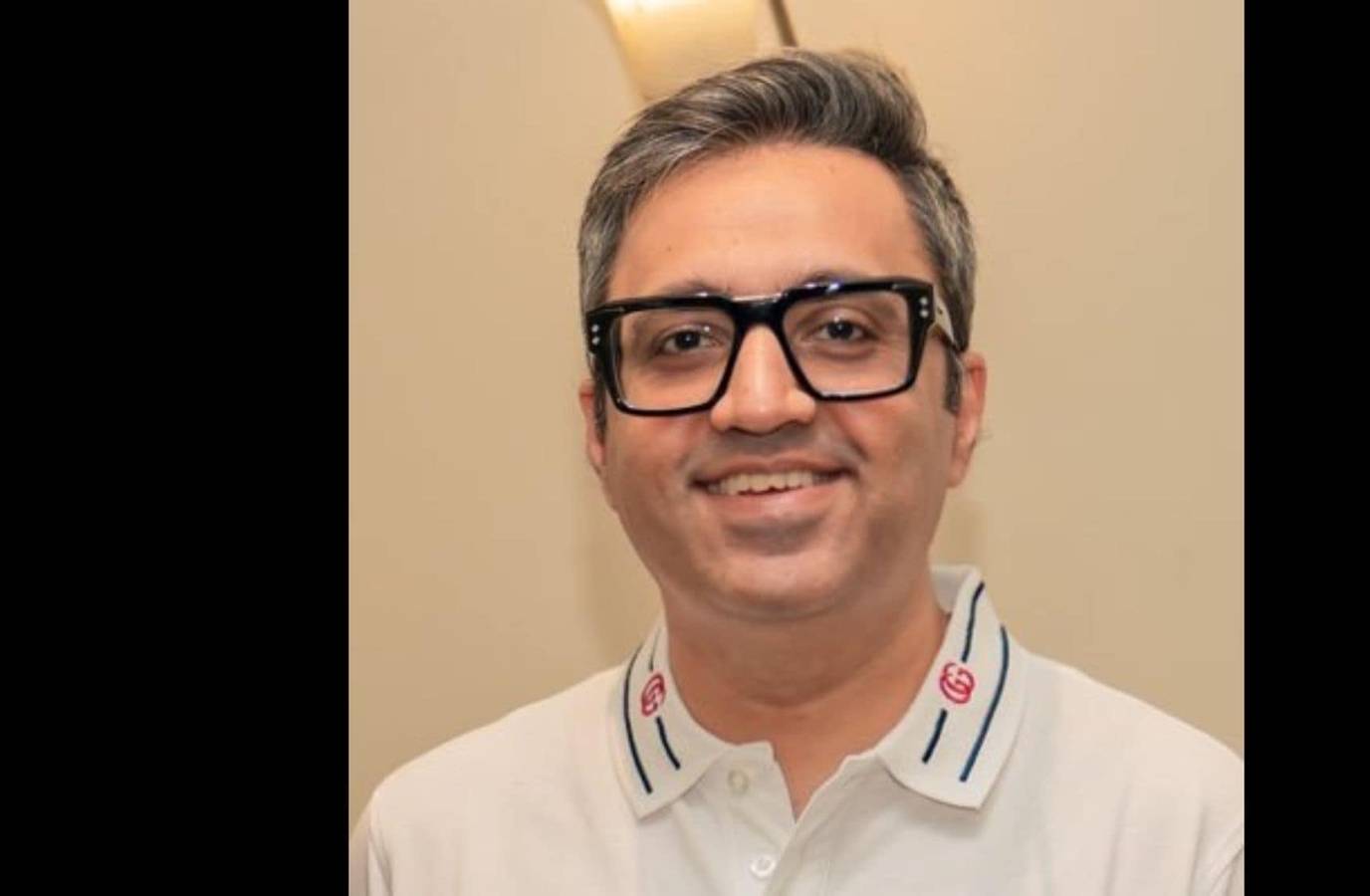
Entrepreneur Ashneer Grover on Tuesday reacted to the recent announcement of a merchant charge on UPI transactions above ₹2,000 and said that the move does stand to ultimately impact consumers.In a TV interview, the former BharatPe co-founder questioned the move to impose a fee on merchants accepting UPI payments above ₹2,000, despite the government's clarification that UPI payments between two individuals will remain free of charge, irrespective of the amount.Grover argued that any levy imposed with respect to UPI payments should clearly be called a “tax”. In an interview with Times Now, Grover was asked about the argument that only those who can “afford” the fee are being asked to pay it. Shredding the logic, Grover answered: “Then call it tax. Why are you calling it a ‘charge’, ‘MDR’, or claiming that it won't affect the customer?". Citing an example, Grover asked if one would be willing to pay ₹500 every month for breathing just because they can “afford” it. “Is there any logic to it?,” he asked. A video of his interaction went viral. MDR, or Merchant Discount Rate, is a charge within the payment ecosystem. According to the government, it is not a tax and is not money collected by the government or NPCI. Grover lists figures to counter moveLater in an X post, Ashneer Grover also listed some figures to question the move impose the merchant fee. Without naming the timelines of the said gains, Grover claimed that the RBI surplus to the government stood at ₹2.87 lakh crore (US$30 billion), while total listed bank profits stood at ₹4.11 lakh crore (US$42 billion).He also said that National Payments Corporation of India (NPCI)—the operator of UPI—reported a pre-tax surplus of ₹1,888 crore (US$200 million).Also Read: Can merchants pass UPI charges to buyers? Key questions on MDR, its implementation answered“So, who is facing any loss from UPI and which subsidy is the government paying on UPI?,” Grover asked. In another dig at the move, Grover also cited the high cost of running ATMs and cash logistics suggested shutting them down and promote UPI instead. Will consumers be impacted?The government has clarified that the merchant charge only applies to payments above ₹2,000 and does not apply to person-to-person transactions of any amount.Even so, when asked about the argument that consumers will remain unaffected under the new norm, Grover disagreed. Citing the example of petrol prices, the entrepreneur said in the interview: "The government says we collect excise from oil companies, the consumer won't be affected. But is that the case? We pay ₹100 at the pump for a petrol that costs ₹40-50, all because of the excise and tax....End of the day who pays? Whether it is tax or any other charge, the consumer pays."Also Read: UPI merchant fees: What to know about person-to-person payments, monthly quotaNotably, the government has said that around 96% of merchant transactions will remain unaffected due to the charge because they are either below ₹2,000 or covered by the zero-MDR framework for small merchants.The mandate of a merchant fee on accepting transactions above ₹2,000 takes effect starting October 15.