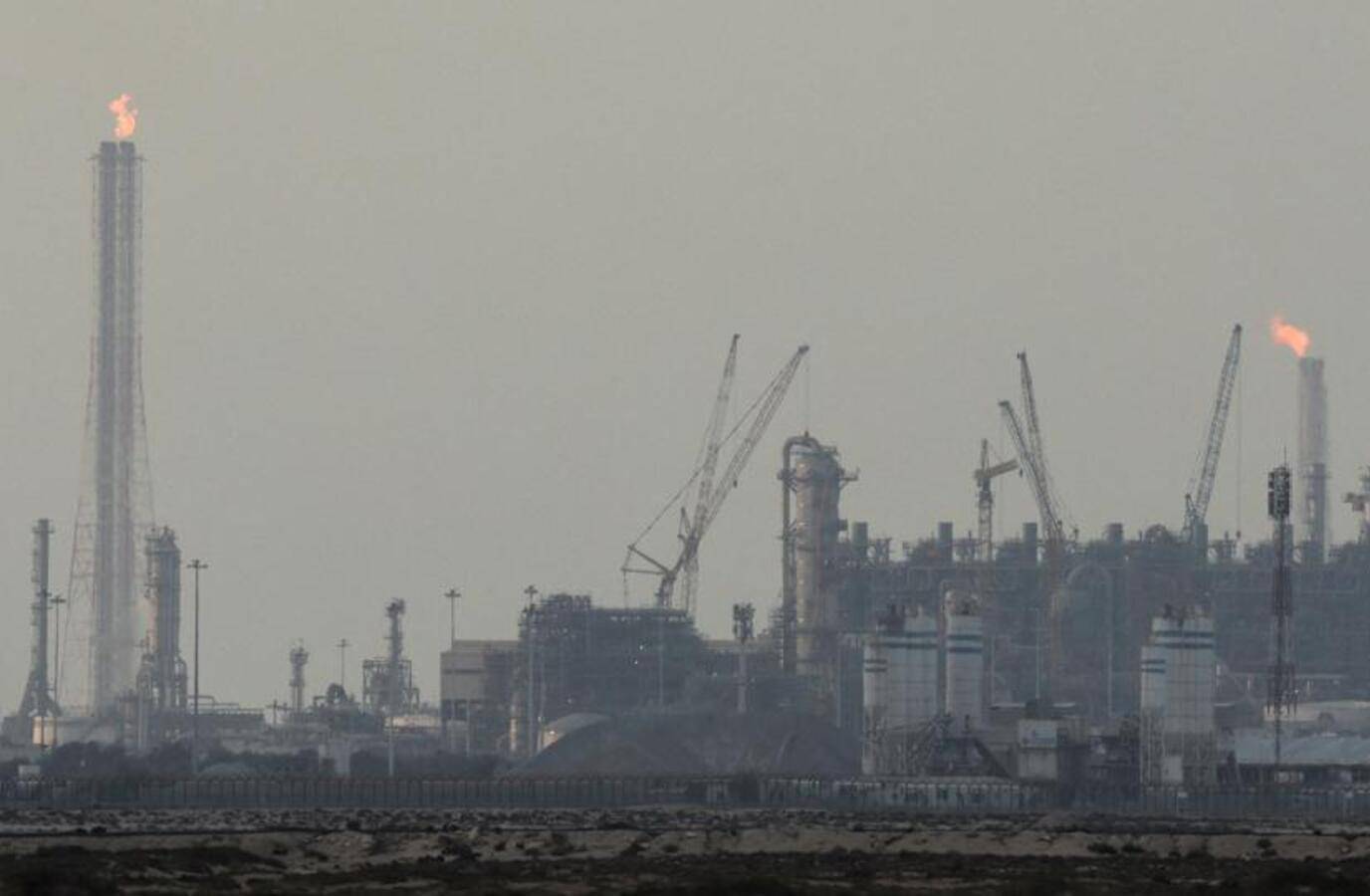
It's not just petrol prices that are affected by disruptions in the Gulf. The world's most precise machines, semiconductor fabrication plants, are feeling the first tremors due to Qatar's massive Liquified Natural Gas (LNG) plants falling silent under force majeure.
The tech world is hitting a wall as helium, a byproduct of processing natural gas, is used to cool the machines that etch patterns onto silicon wafers. Without it, the assembly lines stall, and millions of dollars in silicon wafers turn into expensive scrap metal instantly.
But it gets worse. To 'print' the high-end chips that power AI, like the ones inside an Nvidia H100, you need ultra-pure neon. This gas runs the lasers that etch the circuits.
The Strait of Hormuz, a narrow and volatile waterway, is the ultimate chokepoint. One-fifth of the world's seaborne LNG passes through it, and Qatar's LNG terminals are physically trapped if it closes.
The rerouting of American LNG carriers adds thousands of miles, more fuel, more crew, and higher insurance premiums, leading to higher power prices and industries getting squeezed.
India is particularly vulnerable, relying on Qatar for half of its LNG imports, which affects city gas and power plants. The country is also the world's second-largest fertiliser consumer, and a rise in gas prices means farmers pay an invisible tax.
The situation has reached a critical point, with speculation emerging of Iranian strikes hitting Microsoft data centres near UAE and Amazon's Web Services being hit. The reality is that our digital lives rest on physical tethers at some of the most volatile spots on Earth.