Government to test Digi Yatra at major airports for international departures between October and December | India News
Initial rollout focuses on terminal entry and security, aiming to enhance travel efficiency while ensuring safety with existing immigration protocols. | India News
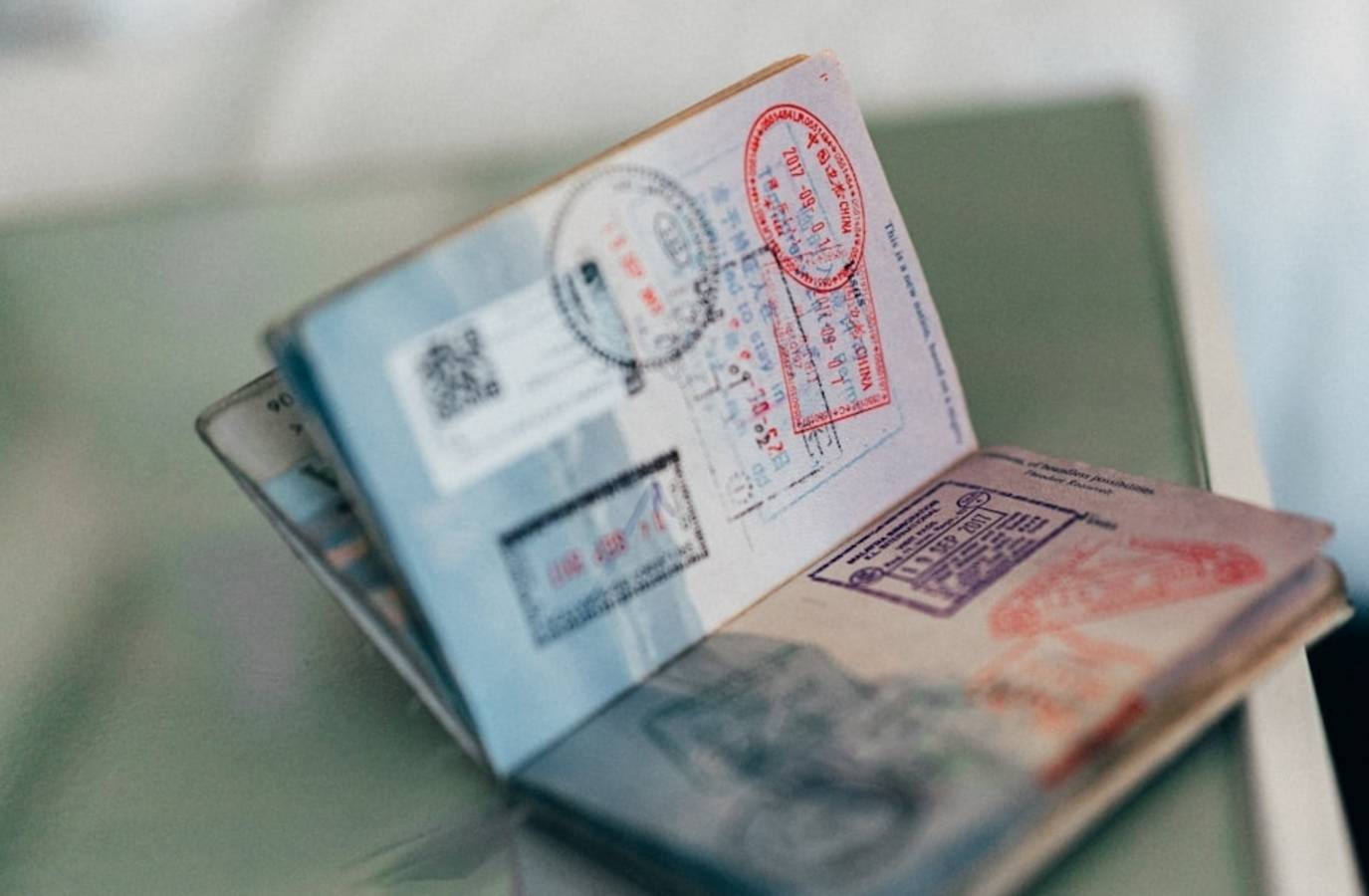
The government is working to extend Digi Yatra, the facial recognition-based system now used by domestic flyers, to international departures, with trials planned at Delhi, Mumbai, Bengaluru, Hyderabad and Cochin between October and December, officials aware of the matter said.“Delhi and Mumbai are likely to be the first airports to get the facility,” an officer aware of the plans said, while confirming the push by the government to initiate the scheme as soon as possible.Passengers will gain only on the departure side in the first phase. The initial rollout is expected to focus on less-sensitive points such as terminal entry, security, and potentially boarding gates, while integration with immigration is likely to be taken up at a later stage, as the system is tested and its efficacy established, a second official said.Emigration checks will continue as they are, and passengers on inbound flights will see no change. The ministry of civil aviation’s Digi Yatra policy document describes the immigration system as isolated from the Digi Yatra boarding system, with automated border control at departure and arrival envisaged as a subsequent phase. Unlike the domestic system, which uses Aadhaar-based enrolment, the international version will use electronic passports, the first official said.Also Read | Delhi airport’s third runway reopens today after 7 monthsA passenger holding an e-passport will be able to scan its first page and use a phone to read the chip embedded in the document through near-field communication (NFC), the first officer said. The photograph stored on the chip will then be matched with a selfie to create the passenger’s digital credential, which can subsequently be used for identity validation at different airport touchpoints.All e-passports conform to international standards and carry certain biometric details. Till July 30, 2026, a total of 17,316,144 e-passports have been issued, according to a government reply in Parliament in August.In the domestic system, the app receives Aadhaar e-KYC data, extracts a reference face from it and matches that against a selfie taken with liveness detection, with the resulting credential stored in a wallet on the passenger’s phone, according to the ministry’s policy document.Software upgradation work is under way, after which an audit by the ministry of electronics and information technology (MeitY) will be conducted, before the trials begin, the second officer aware of the developments said. The upgraded application is undergoing final testing, with a vulnerability assessment and penetration testing by CERT-In, as well as Standardisation Testing and Quality Certification (STQC), planned as part of the process, the officer cited above added.Also Read | 11 gold bars recovered at Delhi airport after 2 passengers from Dubai closely trackedRules for air travel, which are introduced by the civil aviation ministry, home affairs ministry and bureau of civil aviation, will have to change as well. “A few rules need to be amended including the mandatory requirement of showing passports at the airport entry,” the first officer said.“International travel is a sensitive border-crossing process and every stakeholder needs to be satisfied that the new process is robust, safe and secure,” Digi Yatra chief executive officer (CEO) Suresh Khadakbhavi said.Discussions with authorities have been initiated and are progressing well , with further talks being reinitiated under the guidance of the ministry, he added. “The long-term plan is to make the Digi Yatra ecosystem interoperable with participating overseas airports and immigration authorities. Digi Yatra is also in discussions with the International Air Transport Association (IATA) ICAO and an EUDI pilot trials under the APTITUDE cohort, to explore such cross-border interoperability, although these discussions are at an early stage,” Khadakbhavi said.The change will require the procurement of some technology. At international checkpoints, e-gates would be required and would have to be integrated with Digi Yatra at the backend, a process that could take some time after the trials, a third officer said.The move is among a host of steps the authorities are taking towards digitisation of air travel. The stamping of boarding passes at the security check is not mandatory. On September 1, the Bureau of Immigration (BoI) posted on X that passengers would have one less document to carry. “Your boarding pass can now stay on your phone. E-Boarding Passes are accepted at all Immigration Counters, so you no longer need to carry a physical boarding pass to clear immigration,” the post read. Boarding passes continue to be issued.Also Read | Delhi airport denies notice over reports of security lapse involving three Air India passengers to Italy“The recent decision to do away with physical immigration stamps effective September 1 is an early step towards the larger transition,” the first officer said.The ministry of home affairs has for the past couple of years run a fast track immigration-trusted traveller programme (FTI-TTP), which speeds up immigration for pre-verified Indian nationals and Overseas Citizens of India (OCI) card holders at multiple airports. The two systems address different points — FTI-TTP the immigration counter, Digi Yatra the terminal entry and security check, at least in the initial phase.