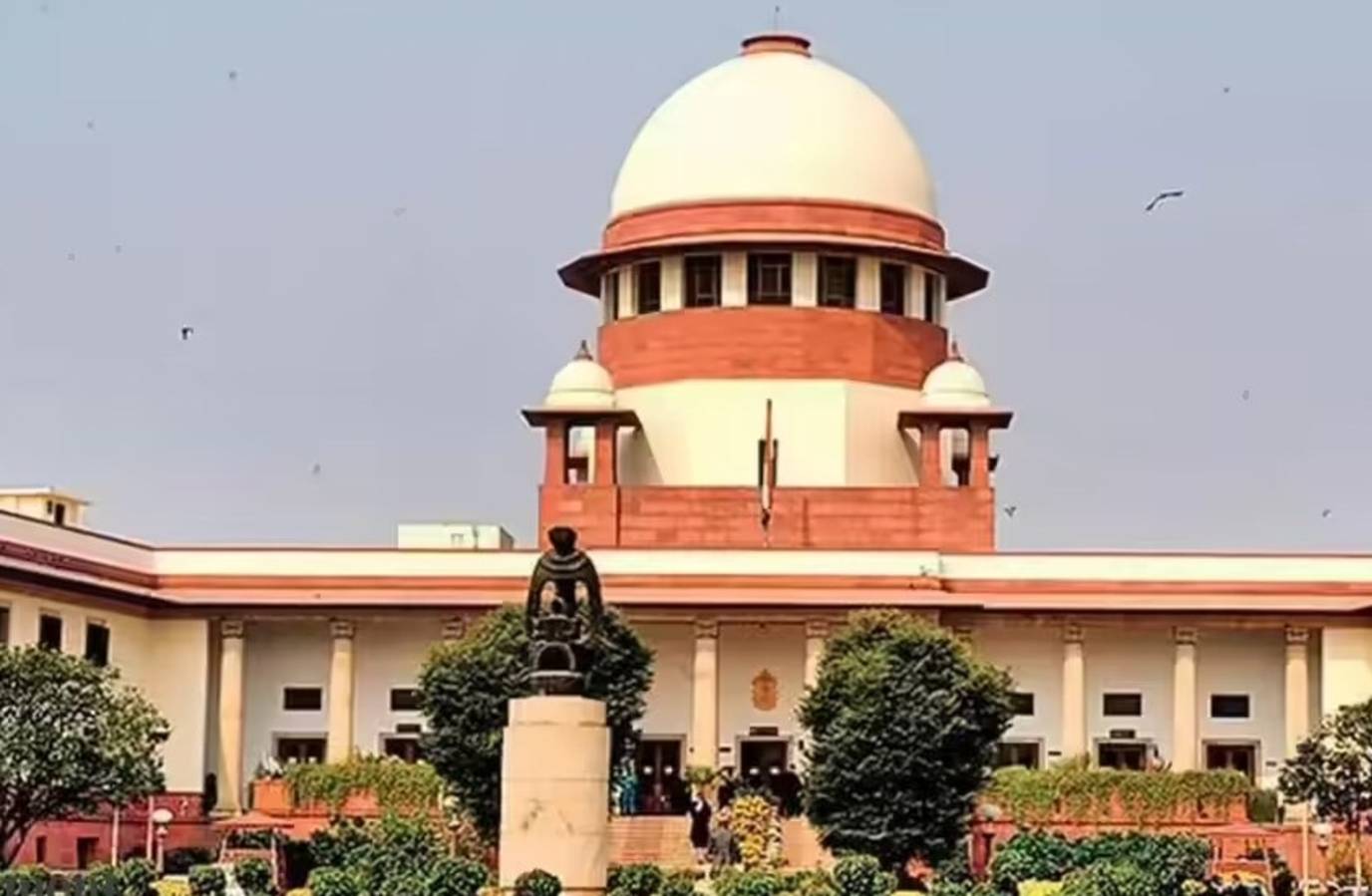
New Delhi: A former Indian Air Force officer will receive a formal ceremonial send-off, three decades after he was unfairly dismissed from service. The Supreme Court ordered the septuagenarian to be given the dignity of a formal farewell, declaring that for a soldier, “restoration of honour remains the foremost concern.”
A bench of justices Dipankar Datta and KV Viswanathan set aside former squadron leader R Sood’s 1993 dismissal, holding that the decision-making process was flawed and legally untenable. The court also granted him substantial service benefits, including 50% back wages, notional promotion, pensionary benefits, and interest on dues.
Sood was dismissed from service on September 22, 1993 under Section 19 of the Air Force Act after being held guilty of misconduct linked to a 1987 incident. However, the Supreme Court found that the foundation of the disciplinary action itself was deeply flawed.
The court took serious exception to the Air Force authorities’ understanding of the law, noting that discharge signifies absence of material to proceed with a trial and cannot justify subsequent punitive administrative action based on the same facts. It also flagged glaring inconsistencies in the treatment of officers involved.
Calling this disparity troubling, the bench said the principle of equality had been violated. It emphasised that a subordinate officer could not be singled out for harsher punishment, especially when acting under the directions of a superior.
The judgment also criticised the absence of adequate reasoning and the failure to consider relevant circumstances, including the role of senior officers and the legal effect of the criminal court’s discharge order.
Setting aside the dismissal, the court noted that Sood had already crossed the age of superannuation and could not be reinstated. Nevertheless, it held that he was entitled to all consequential benefits as if the dismissal had never occurred.