IIT to Rohini: 10 most polluted areas in Delhi amid ‘very poor’ AQI on Diwali eve | India News
An analysis by the HT Pollution Dashboard showed that 21 stations recorded 'severe' air quality, while 30 were in the 'very poor' category. | India News
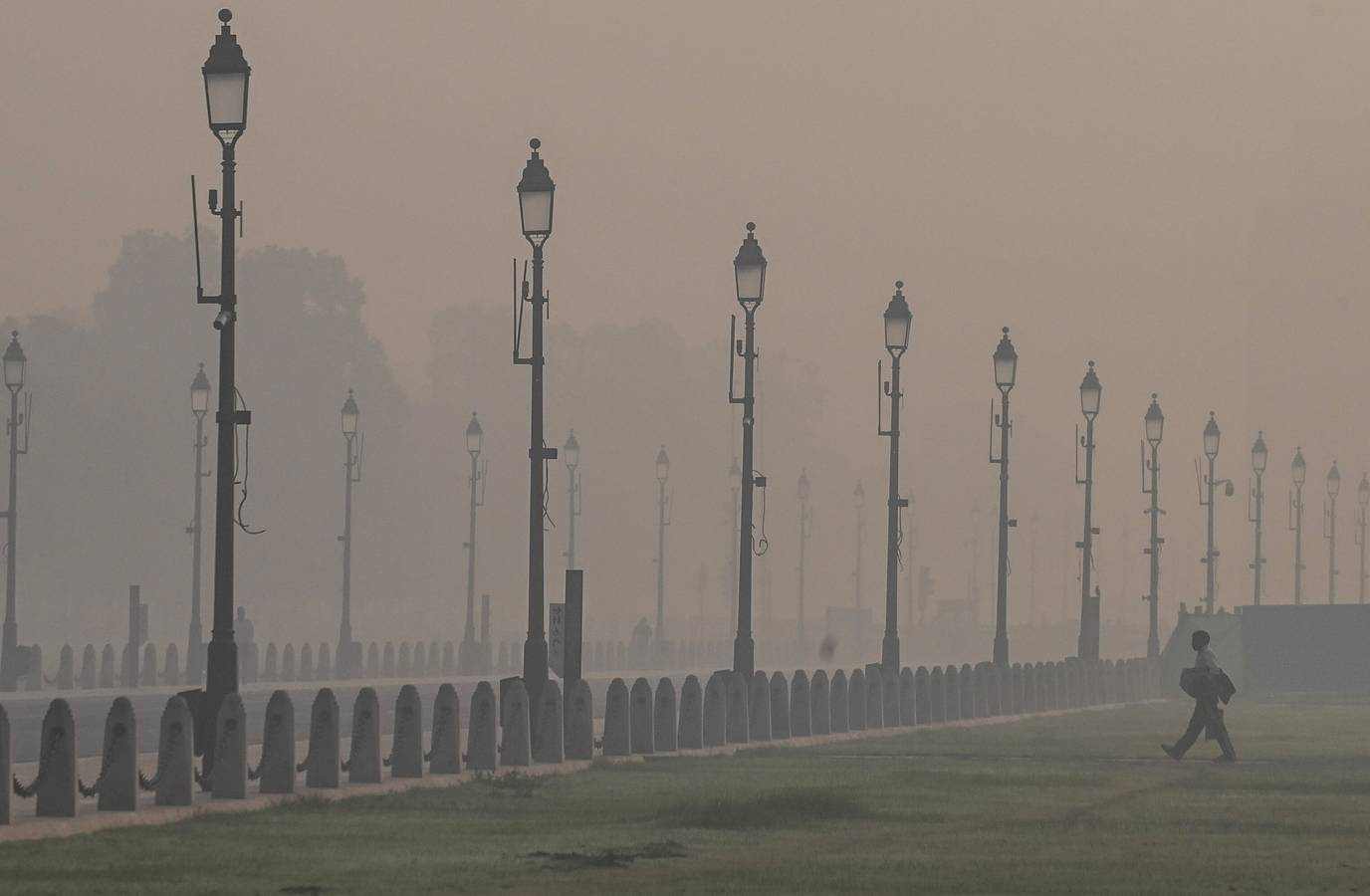
Delhi's overall air quality index (AQI) remained in the 'very poor' category on Saturday morning, with a reading of 365 a day before Diwali. As many as 21 monitoring stations recorded 'severe' air quality, according to the 7am update on the HT Pollution Dashboard, which tracks the average readings from all monitoring stations reported by the Central Pollution Control Board (CPCB).The CPCB calculates the hourly AQI at each monitoring station using a running average of readings recorded over the previous 24 hours. An analysis by the HT Pollution Dashboard showed that 21 stations recorded 'severe' air quality, while 30 were in the 'very poor' category. 10 most polluted areas in DelhiThe 10 Delhi monitoring stations that recorded the highest AQI readings in the latest update were:IIT Delhi - 440Punjabi Bagh - 433Vivek Vihar - 425Jahangirpuri - 421Mundka - 421Rohini - 418RK Puram - 414Najafgarh - 412Sonia Vihar - 412Sirifort - 411 Check the air at your nearest station, hour by hour, on the HT Pollution Dashboard at hindustantimes.com/breathe.New stations on periphery may be clouding AQI data in Delhi: HT analysisDelhi's official AQI reached 382 on Friday, the city’s worst since January 19. However, the figure may still be lower than the actual pollution levels following the addition of 13 monitoring stations to the city's network in October, an HT analysis of CPCB data has found.The analysis showed that without these new stations, Friday's 4 pm bulletin would have recorded an AQI of 393.Most of the new monitoring stations, installed by the Delhi Pollution Control Committee (DPCC), the city's pollution regulator, are located on the outskirts. However, older stations in similarly developed areas on the periphery have recorded considerably higher readings.The HT analysis found that PM2.5 levels at the new stations, the main contributor to winter air pollution, were around 35% lower than those recorded at nearby monitoring stations.The impact of these additions was evident on Friday, when Dhanteras celebrations typically brought heavy traffic to the city's roads.Between 7 am and noon on Friday, the AQI remained between 389 and 391, within the 'very poor' category. However, without the 13 new stations, which recorded an average AQI of around 350 at 10 am, the figure would have been between 401 and 403, placing it in the 'severe' category, the worst on the scale.